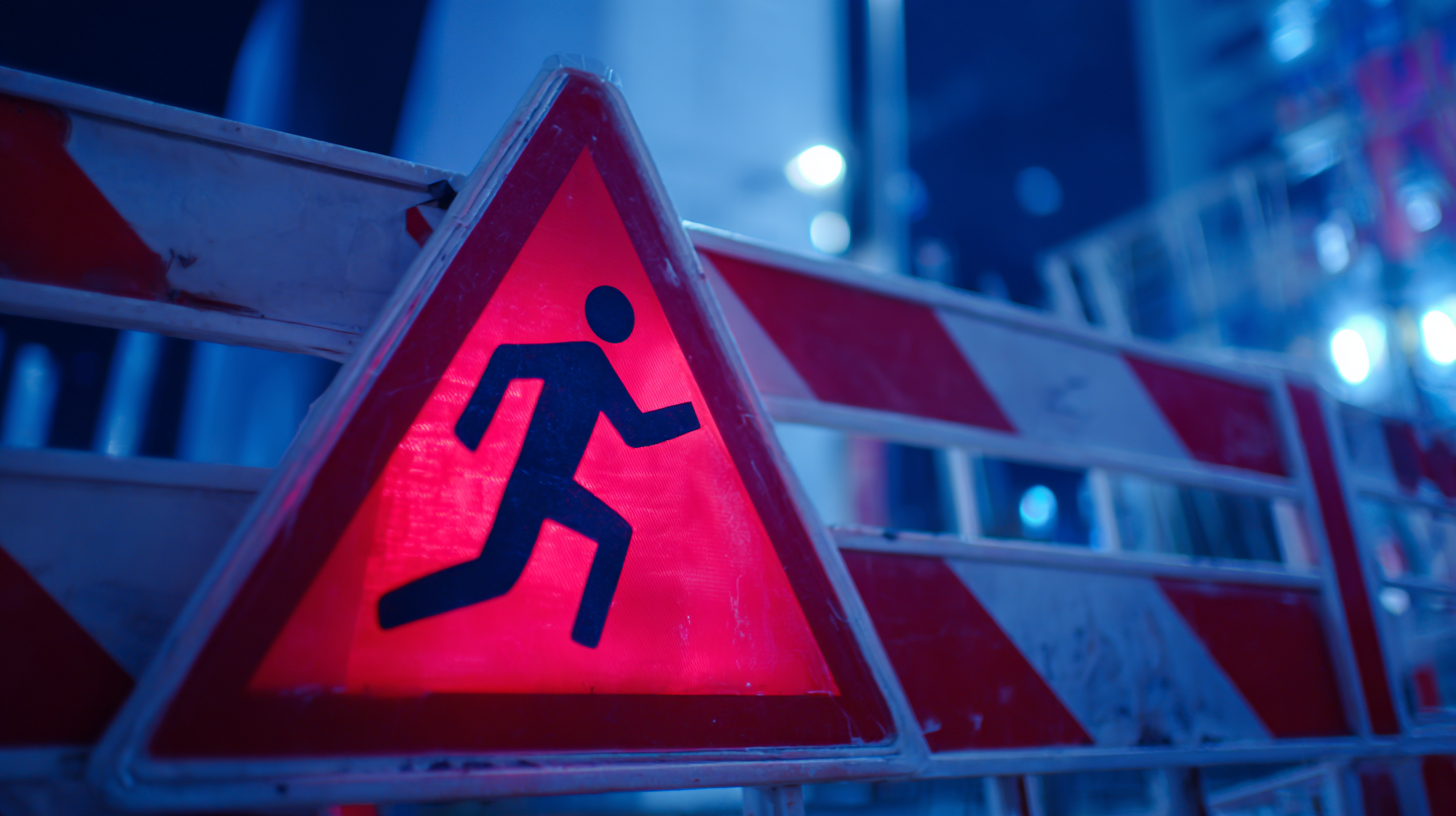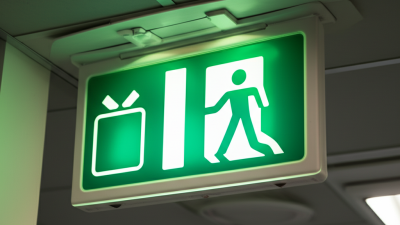
In the fast-cHanging world offire and security electronics, the Running Man Sign has really become a key piece in making sure everyone stays safe during emergencies. Looking ahead, it’s super important to understand what kind of after-sales support and maintenance costs come with these essential safety products. At Yuyao Lixin Electronics Co., Ltd., we’re proud to be a leading player in making fire and security electronics, along with LED lighting. We get that it’s not just about selling high-quality addressable emergency lights and exit signs—it's also about backing them up with solid support after you buy. By taking a closer look at what’s involved in maintaining and supporting Running Man Signs, we hope to give our customers helpful insights so they can make smarter decisions. After all, keeping safety measures effective and up-to-date with changing standards is what truly matters. In this blog, we’ll chat about what after-sales services mean for the future of emergency signage and how they help boost overall safety.
You know, after-sales support really makes all the difference when it comes to the long-term success of running man signs. Unlike static ads, these signs are a bit more high-maintenance—they need regular upkeep and support to stay in tip-top shape. When businesses put money into after-sales service, they actually increase the overall value of their signage over time. This isn’t just about fixing things when they break; it’s also about routine maintenance, checking for wear and tear, and making sure they continue to look sharp and work smoothly.
On top of that, good after-sales support really impacts customer satisfaction and keeps folks coming back. When a company is known for reliable support—whether it’s troubleshooting or just regular tune-ups—trust builds, and strong relationships develop. Customers tend to stick around longer if they know help is just a quick call away. In today’s competitive market, having top-notch after-sales service can really set a business apart, making it the go-to choice for folks looking for durable, long-term advertising solutions. So, yes, investing in solid support for your running man signs isn’t just a good idea—it pays off by improving customer loyalty and spreading positive word-of-mouth. It’s worth it, I swear.
Getting a good handle on what it costs to keep Running Man signs in shape over time is pretty important if your business wants to actually get the most out of these displays. The lifespan and how well they perform really boil down to regular maintenance and the quality of the materials they’re made from. Unlike those cheap consumer TVs you might buy for your home, these signs are built for commercial use — meaning they’re made with tougher parts that can handle all kinds of weather and environmental challenges. That’s a key thing to think about when you’re figuring out what kind of ongoing costs you’ll be looking at down the line.
If you want to keep costs manageable, it’s a good idea to set up a regular check-up schedule and bring in skilled technicians to handle repairs. Doing routine maintenance not only helps the signs last longer but also keeps them running at their best. And, if you can, train your staff on how to handle the signs properly — this way, you can avoid unnecessary damage caused by user errors.
When you’re trying to get a clear picture of the overall financial impact, it’s helpful to understand something called the Equivalent Annual Cost (or EAC). This little metric helps you see the true cost of owning the signs — including installation, upkeep, and running expenses over their entire life. Knowing this stuff means you can make smarter decisions that fit your budget and business needs without any nasty surprises later on.
When it comes to after-sales support, there are a few key things that really make a difference—especially when we're talking about maintaining those running man signs. First off, how quickly and effectively support teams respond can totally influence how happy customers feel. A fast reply from knowledgeable folks not only makes things smoother for the user but also builds trust and confidence in the brand. People want help fast, especially since these signs are often tied to safety, so quick communication is pretty much a must.
Another big deal is the training support staff get. If they’re well-trained and understand the ins and outs of running man signs, they can troubleshoot more accurately and suggest better solutions. That means less downtime and fewer expenses down the line. Plus, listening to what customers say and including their feedback in ongoing training helps support teams stay on top of common issues and adapt to what users actually need. Focus on these areas, and companies can really improve their after-sales support game—and stay ahead in the competitive market.
When it comes to keeping those running man signs working smoothly and lasting a long time, it’s really important to have good maintenance strategies in place. These signs are super critical during emergencies, and if they go out of commission, the consequences can be pretty serious. So, setting up regular check-ups is a smart move — inspecting both the electronic parts and making sure the signs are still clearly visible. Taking a proactive stance means you can spot issues before they turn into bigger, more expensive problems. That way, you save money on repairs and keep everyone safe.
Plus, jumping on board with smart tech can make maintenance way easier. By adding sensors that keep an eye on the signs’ health in real time, you get instant alerts when something’s wrong. This helps not only in making the signs last longer but also in cutting down costs that come with fixing things only after they break. And don’t forget about training! Teaching staff the right ways to do maintenance and explaining how important these signs are helps build a culture of awareness. When everyone’s on the same page, those signs stay in tip-top shape, which is awesome for safety and resource management. Put all this together, and you’ve got a solid plan that keeps your signs reliable and shows you really care about public safety and efficiency.
| Maintenance Aspect | Frequency (Annual) | Average Cost ($) | Optimization Strategy |
|---|---|---|---|
| Electrical System Check | 2 | 150 | Regular Inspections |
| LED Replacement | 1 | 300 | Quality Assurance Supplies |
| Surface Cleaning | 4 | 50 | Scheduled Cleaning Routines |
| Battery Check | 1 | 200 | Invest in High-quality Batteries |
| Software Updates | 1 | 100 | Implement Remote Updates |
The world of after-sales support for signage stuff is changing really fast, thanks to new tech and how customer expectations are shifting. I read a report from MarketsandMarkets that says the global signage industry could hit around $39.6 billion by 2026, which just goes to show how important after-purchase services are becoming. More and more businesses are realizing that good after-sales help isn’t just about keeping customers happy; it also helps their signs last longer and work better. These days, having upgraded tracking systems and sticking to regular maintenance routines has become pretty much standard. It’s all about making sure your signage stays eye-catching and effective for as long as possible.
And here’s a tip: sticking to a regular maintenance schedule can really extend how long your signage lasts. It’s kind of like giving your signs a health checkup, which can save you from expensive repairs later on. A lot of companies have found that by being proactive with maintenance, they cut down on downtime—sometimes by as much as 30%. Pretty cool, right?
Plus, there’s a clear trend that customers now want more personalized support. According to IBISWorld, about 70% of consumers prefer businesses that offer tailored after-sales services. So, signage companies are stepping up their game by using more advanced CRM systems to keep track of customer interactions and deliver faster, more relevant support. When you customize your after-sales approach like this, it not only makes customers happier but also helps build loyalty to your brand.
And here’s another tip—using feedback from your customers to improve your after-sales process can lead to some pretty innovative ideas. Talking directly to clients through surveys or just chatting can reveal what’s working, what isn’t, and where you can do better. It’s all about listening and adapting to meet their specific needs, which can open up new opportunities for service improvements.
Whenever you're looking into installing Running Man signs, it’s really important to get a good handle on the total cost of ownership, or TCO for short. Basically, TCO isn't just about paying for the signs upfront; it also includes all the ongoing costs like maintenance, repairs, and things like unexpected downtime. Since these signs are so crucial for safety and helping people navigate, thinking ahead about these expenses can save you some serious headaches—and money—in the long run.
Now, keep in mind that maintenance costs can really vary depending on where the signs are placed and what kind of environment they’re exposed to. Outdoor signs tend to need more frequent cleaning and service because of weather conditions, pollution, and all that stuff. Plus, while LED components are usually pretty efficient and durable, they might still need replacements eventually. Doing a bit of homework on these factors can really help you make smarter decisions—balancing the initial investment with ongoing operational costs—so that your Running Man signs stay effective and reliable no matter where they’re installed.
: After sales support is crucial because it ensures the signs function optimally through ongoing maintenance and customer support. It enhances customer satisfaction, fosters trust, and builds brand loyalty, ultimately resulting in better lifetime value for businesses.
Regular maintenance is essential for the longevity of running man signs. It addresses wear and tear, ensures optimal performance, and helps the signs withstand various environmental conditions, making them more durable over time.
Effective strategies include implementing a routine inspection schedule, employing qualified technicians for repairs, and training staff on proper usage to minimize user-error-related damages. These practices help extend the lifespan of the signs and ensure cost-effectiveness.
Businesses can optimize maintenance by establishing regular inspection schedules, adopting smart technology for real-time monitoring, and training staff on maintenance procedures to proactively address potential issues before they escalate.
The Equivalent Annual Cost (EAC) is a metric that helps businesses assess the true cost of ownership of running man signs, including installation, maintenance, and operational expenses over the asset's life, aiding in more informed budgeting and decision-making.
Integrating smart technology allows for real-time condition monitoring of running man signs, which leads to timely alerts for maintenance needs, reducing costs associated with reactive maintenance and ensuring the signs are always functioning effectively.
Reliable after sales support builds trust and ensures customers feel confident in their purchase, making them more likely to return for future transactions and recommend the business to others.
Running man signs are critical in emergency situations, serving as important indicators for safety and evacuation. Ensuring their functionality is vital as any downtime can have serious implications for public safety.
Businesses should consider installation, maintenance, operational expenses, and the potential costs of downtime or ineffective signage when evaluating the overall financial impact of running man signs.
Routine inspections allow organizations to identify potential issues early, minimizing repair costs and ensuring that the signs remain functional and visible, thereby enhancing public safety.