Nowadays, with home security and automation becoming such big deals, a lot of homeowners are on the lookout for smarter ways to keep their places safe and convenient. One gadget that’s really been picking up popularity is the Magnetic Door Sensor. It’s pretty cool—uses magnets to tell when a door’s opened or closed, and it sends out alerts right away. So, not only does it help you keep an eye on your doors, but it also plays nicely with other smart home tech, giving you more control over your space.
But honestly, Magnetic Door Sensors aren’t just about security. They give you peace of mind, letting you check on your entry points whether you’re home or away. Plus, they’re like a door into home automation—think automated lights, climate control, and all that good stuff. It really can make your home more comfortable and save energy at the same time. By understanding how handy these sensors are, homeowners can make smarter choices to protect their homes and make everyday life a little easier. All in all, it’s about creating a house that’s not just safe but also smarter and more convenient.

Benefits of Magnetic Door Sensors for Enhanced Home Security
Magnetic door sensors are becoming an essential component of modern home Security Systems, offering a blend of simplicity and effectiveness. By detecting whether doors are open or closed, these sensors provide real-time information to homeowners about potential security breaches. The primary benefit lies in their ability to alert homeowners instantly if a door is opened unexpectedly, allowing for immediate action to be taken, which is critical in deterring unauthorized access.
In addition to enhancing security, magnetic door sensors contribute significantly to home automation. Their integration with smart home systems means that homeowners can receive notifications on their smartphones or smart devices, even when they are away from home. This level of connectivity allows users to monitor their property in real-time, providing peace of mind. Furthermore, these sensors can be programmed to trigger other smart devices, such as lights or alarms, when the door is opened, creating a comprehensive security network that reacts to potential threats efficiently.
How Magnetic Door Sensors Work: Mechanisms and Functionality
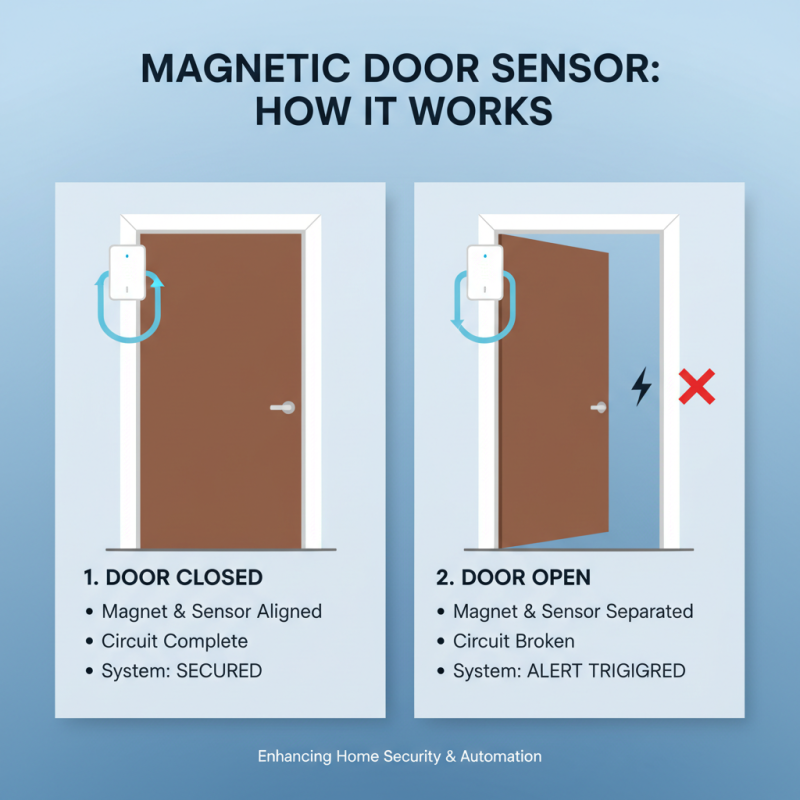
Magnetic door sensors operate through a simple yet effective mechanism that enhances household security and automation. These devices consist of two main parts: a magnet and a sensor, which are installed on the door and the frame respectively. When the door is closed, the magnet aligns with the sensor, creating a circuit that indicates the door is secuRed. If the door is opened, the magnet moves away from the sensor, breaking the circuit and triggering an alert or alerting the home security system. This basic functionality makes magnetic door sensors an essential component in many home security setups.
In addition to security, these sensors contribute to home automation by integrating with smart home systems. When connected to a home automation hub, magnetic door sensors can trigger various actions based on their status. For example, opening a door could automatically turn on lights or adjust the thermostat, enhancing convenience and energy efficiency. Furthermore, some sensors offer the ability to send real-time notifications to the homeowner's smartphone, enabling remote monitoring and control. Thus, magnetic door sensors not only provide safety but also streamline daily routines, making them a valuable addition to modern homes.
Integration of Magnetic Door Sensors in Smart Home Automation
Integrating magnetic door sensors into smart home automation systems significantly enhances both security and convenience for homeowners. These sensors work by detecting whether a door is opened or closed, sending real-time notifications to users’ smartphones or home management systems. This immediate feedback allows homeowners to monitor their property remotely, providing peace of mind, especially when away from home. With the ability to set alerts for unusual activity or unauthorized access, magnetic door sensors play a critical role in safeguarding against breaches.
Moreover, when connected to a broader smart home ecosystem, magnetic door sensors can trigger automated actions. For instance, opening a door could seamlessly turn on lights in the hallway, adjust the thermostat, or unlock the door for authorized guests. This level of integration not only improves the user experience but also creates a more responsive and adaptive home environment. By utilizing these sensors, homeowners can enjoy a heightened sense of security while also embracing the convenience that smart technology offers in their daily lives.
Comparison of Magnetic Door Sensors with Other Security Systems
When assessing home security solutions, magnetic door sensors stand out for their effectiveness and ease of use. Unlike traditional security systems that may rely on complex wiring and installation, magnetic door sensors operate on a simple principle: they detect the opening and closing of doors. This simplicity not only makes them cost-effective but also allows for quick setup, providing homeowners with immediate peace of mind. In comparison to other security systems, such as camera-based systems, magnetic sensors offer a discreet and unobtrusive option that focuses directly on entry points.
Tips for maximizing the benefits of magnetic door sensors include strategically placing them on all potential entryways, including back doors and windows. Regularly testing the sensors ensures that they function correctly, especially after any home renovations. Additionally, integrating these sensors with smart home automation systems can enhance security, allowing notifications to be sent to your smartphone when a door is opened unexpectedly.
While magnetic door sensors provide excellent coverage for entry points, they can be complemented by other security measures for a more comprehensive approach. For instance, combining them with motion detectors or window sensors can significantly increase the overall security level of a home. Investing in these systems allows homeowners to tailor their security setup to fit their specific needs while maintaining flexibility and ease of use.
Cost-Effectiveness of Installing Magnetic Door Sensors
When considering home security solutions, the cost-effectiveness of installing magnetic door sensors stands out as a significant advantage. These sensors, which activate an alarm when a door is opened, can serve as an integral part of a comprehensive security system. The initial investment for purchasing and installing magnetic door sensors is relatively low compared to other security measures, such as elaborate surveillance systems. Furthermore, many systems can be easily integrated into existing home automation setups, minimizing additional installation costs.
Another aspect that enhances their cost-effectiveness is the reduction in potential losses due to theft or break-ins. By deterring intruders with an active security presence, homeowners can avoid the financial repercussions of property loss and damage. Additionally, magnetic door sensors often contribute to lower home insurance premiums, as insurance companies may offer discounts for homes equipped with enhanced security measures. This combination of affordable installation, the potential for insurance savings, and prevention of costly incidents makes magnetic door sensors a savvy investment for homeowners prioritizing both security and budget efficiency.
Top Benefits of Using Magnetic Door Sensors for Home Security and Automation - Cost-Effectiveness of Installing Magnetic Door Sensors
| Benefit | Description | Cost Savings | Installation Time |
| Enhanced Security | Detect unauthorized access quickly. | Reduces potential theft losses. | 1 hour |
| Automation Capability | Integrate with smart home systems. | Improves energy efficiency. | 1-2 hours |
| Cost-Effectiveness | Affordable compared to other security systems. | Lower upfront and insurance costs. | 30 minutes |
| User-Friendly | Simple installation and operation. | Saves on hiring professional services. | Less than 1 hour |
| Real-Time Alerts | Instant notifications to mobile devices. | Prevents costly damage or loss. | 1 hour |
DIY Installation vs. Professional Installation of Door Sensors
When considering the installation of magnetic door sensors for home security and automation, homeowners often face a pivotal decision: should they opt for DIY installation or hire a professional? According to a 2021 report from the Home Security Industry Association, nearly 70% of homeowners who installed security devices themselves expressed satisfaction with the process, highlighting the accessibility and user-friendly nature of modern security technology. DIY installation can be a cost-effective choice, typically saving homeowners upwards of 30% compared to professional services. Additionally, many current door sensors come with comprehensive online tutorials and user guides, making the setup process straightforward for those who are tech-savvy.
However, for homeowners who lack confidence in their handyman skills, professional installation can offer peace of mind and ensure optimal performance. A report by the Security Industry Association indicated that professionally installed systems tend to be more secure, with up to 20% fewer reported false alarms. Professionals can also provide custom solutions tailored to specific home layouts and security needs, enhancing the overall effectiveness of the system. Ultimately, the choice between DIY and professional installation will depend on individual comfort levels, budget considerations, and the unique security requirements of the home.
Common Issues and Troubleshooting for Magnetic Door Sensors
Magnetic door sensors have gained prominence in home security systems due to their reliability and ease of use. However, like any technological device, they can encounter common issues that users should be aware of. A 2020 report by the Security Industry Association indicated that nearly 25% of homeowners experienced malfunctions with their sensor-based systems, highlighting the importance of troubleshooting techniques to maintain optimal functionality. One prevalent issue is sensor misalignment, which occurs when the sensor and magnet are not properly aligned, leading to false alarms or consistent failure to detect when doors open or close. Regularly checking the alignment can mitigate this problem and ensure reliable operation.
Another common concern involves power supply interruptions, especially in wire-free models that rely on batteries. A study from the National Institute of Standards and Technology found that about 30% of wireless sensor malfunctions were attributed to low battery levels or power issues. Users can prevent this by implementing a routine maintenance schedule to check battery health and replace them as needed. Additionally, interference from other electronic devices can disrupt sensor signals. It’s advisable to position sensors away from high-frequency devices, such as Wi-Fi routers or cordless phones, to enhance performance and reduce the likelihood of connectivity failures. Addressing these issues proactively can significantly improve the reliability of magnetic door sensors, ensuring a more secure home environment.
Top Benefits of Using Magnetic Door Sensors for Home Security and Automation
FAQS
: Magnetic door sensors operate with a simple mechanism involving a magnet and a sensor; when the door is closed, they align to create a circuit indicating the door is secure. When the door opens, the magnet moves away, breaking the circuit and triggering an alert.
Magnetic door sensors enhance home automation by allowing users to trigger various actions when a door's status changes, such as turning on lights or adjusting the thermostat, thereby increasing convenience and energy efficiency.
Yes, many magnetic door sensors can send real-time notifications to a homeowner's smartphone, enabling remote monitoring and control of the home.
Magnetic door sensors detect door openings and closings, allowing homeowners to set alerts for unusual activities, thus providing peace of mind and safeguarding against unauthorized access.
Magnetic door sensors are easier to install and operate than traditional systems, as they do not require complex wiring and focus directly on entry points, offering a discreet security solution.
To maximize benefits, strategically place sensors on all potential entryways, regularly test their functionality, and integrate them with smart home automation systems for better security alerts.
Yes, magnetic door sensors can complement other security measures, such as motion detectors or window sensors, to create a more comprehensive home security system.
No, magnetic door sensors provide a straightforward setup process that allows homeowners to quickly secure their homes without the need for complex installation.
The primary purpose of magnetic door sensors is to enhance home security by detecting door access while also contributing to home automation features for added convenience.
Conclusion
Magnetic Door Sensors are an essential component of modern home security and automation systems, offering several key benefits. They enhance home security by detecting unauthorized access through doors and alerting homeowners instantly, thereby acting as a first line of defense against potential intruders. The operation of these sensors involves a simple mechanism where two magnets detect when a door opens or closes, providing real-time data for monitoring.
Additionally, Magnetic Door Sensors can be seamlessly integrated into smart home ecosystems, allowing homeowners to automate their security settings and receive notifications on their mobile devices. Compared to other security systems, these sensors are often more cost-effective and user-friendly, making them an attractive option for DIY enthusiasts. However, for optimal functionality, it's crucial to understand the installation process, whether opting for a DIY approach or hiring professionals, and to be aware of common issues that may arise, ensuring reliable operation in safeguarding homes.