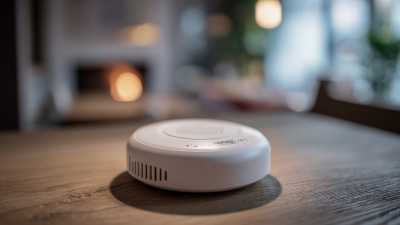
In today's world, keeping our homes and businesses safe is more important than ever. Choosing the right smoke Alarm System isn’t just about ticking a box — it’s a real game-changer when it comes to preventing fires and staying on top of safety rules. Did you know that, according to the National Fire Protection Association (NFPA), installing smoke alarms cut the risk of dying in home fires by half between 2007 and 2011? That’s pretty impressive, right? 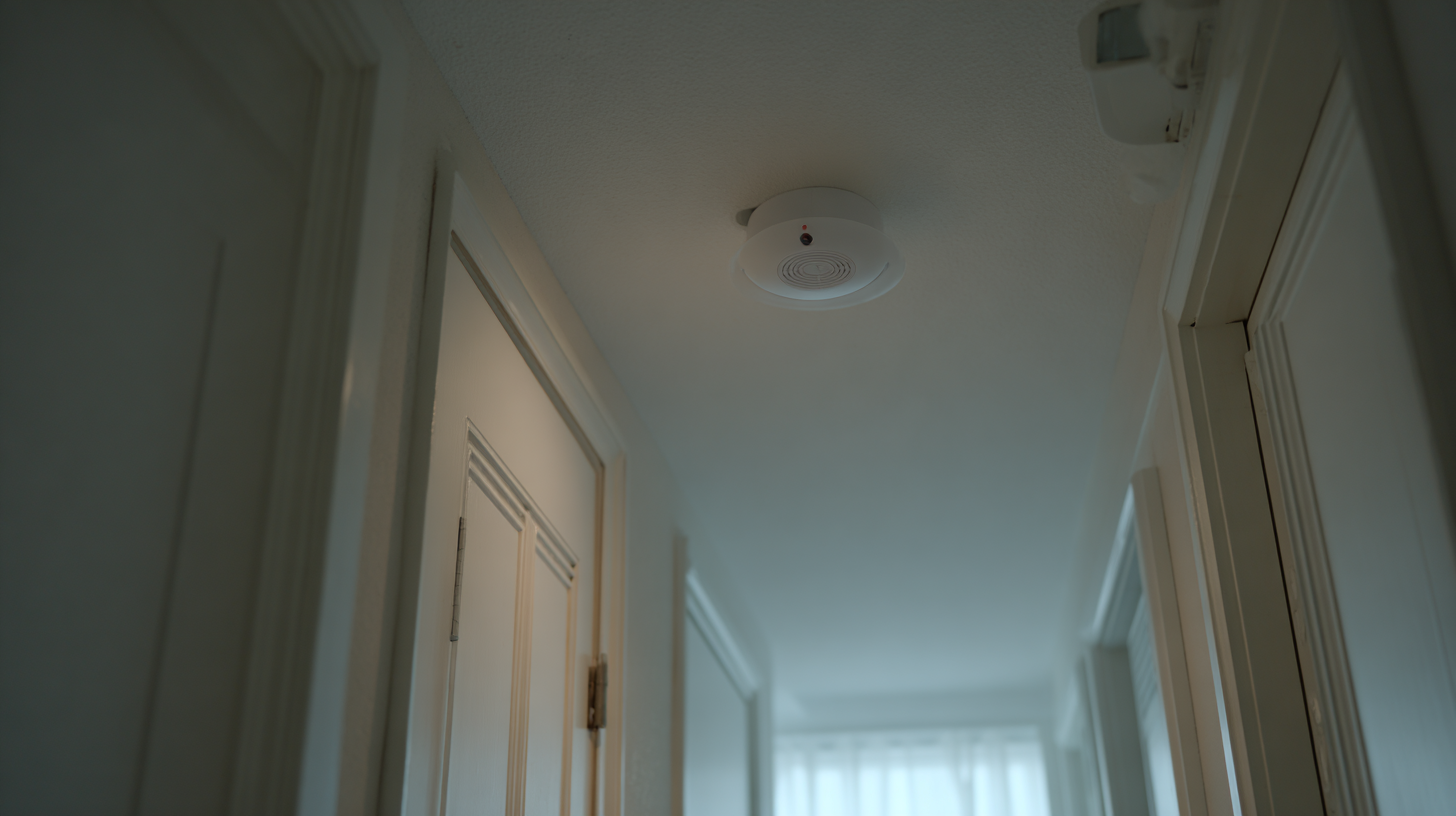 With tech improving so fast, companies like Yuyao Lixin Electronics Co., Ltd. are leading the charge, offering high-tech stuff like Photoelectric Smoke Detectors and heat sensors. As more folks realize how vital good smoke alarms are, it’s super important to understand what to look for when picking the right one. After all, it’s all about getting the best protection while making sure you’re following local and national fire safety rules.
Understanding the Importance of Smoke Alarms for Home Safety
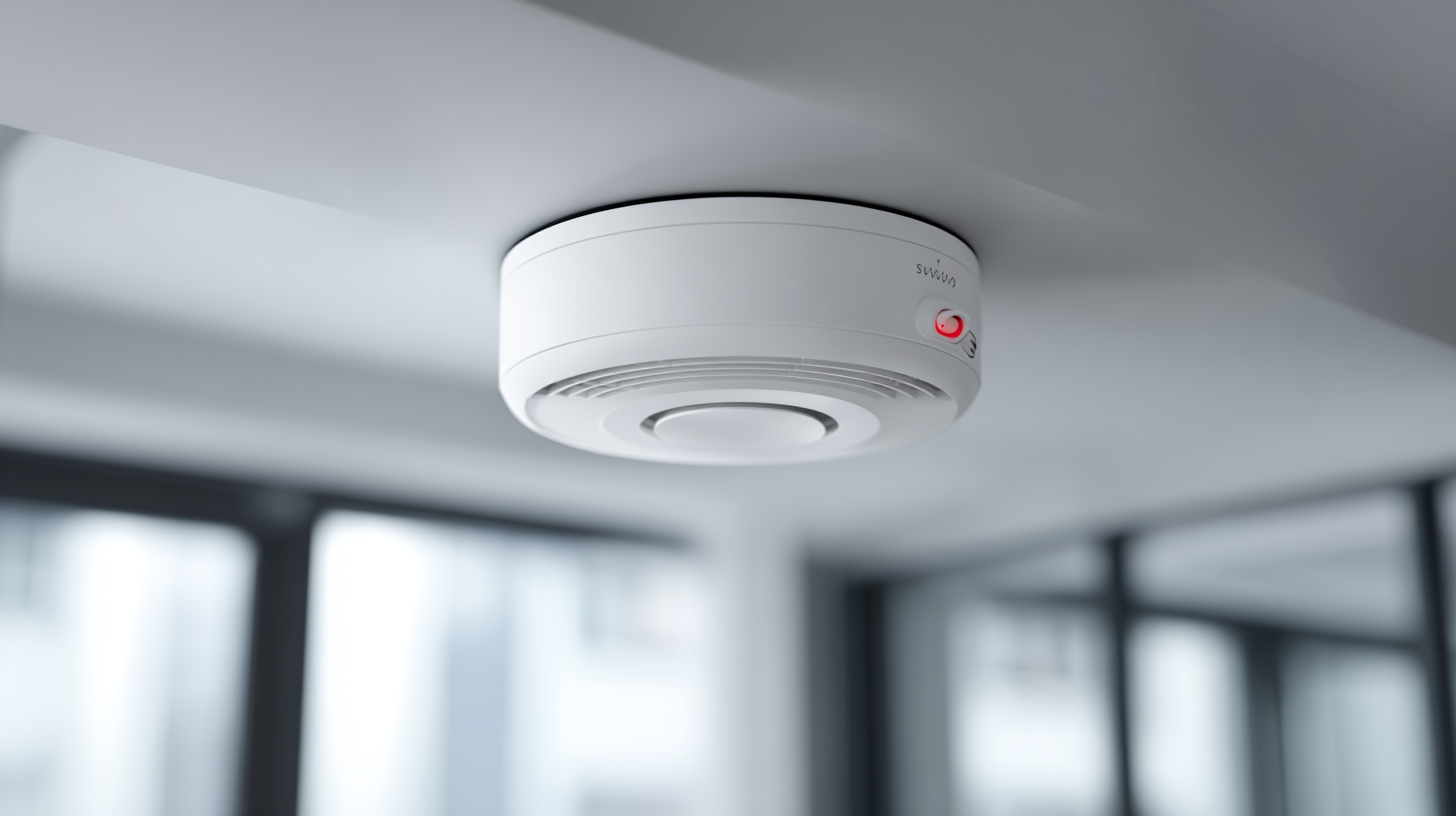 Smoke alarms are honestly a must-have when it comes to keeping your home safe. They’re basically the first responders, catching fires early before they can get serious. The National Fire Protection Association (NFPA) says that having working smoke alarms cuts the chance of dying in a fire by about 50%, which is pretty significant. So yeah, making sure your smoke alarms are functioning properly isn’t just a good idea—it's essential. Not only do they alert you early on, giving you precious seconds to get out, but they also really make a difference in saving lives. In fact, almost two-thirds of home fire deaths happen in places without working smoke alarms, so it’s clear that regular checks and maintenance are key.
A quick tip—put smoke alarms in all the important spots: bedrooms, hallways, and on every level of your house. Make it a habit to test them once a month, and don’t forget to swap out the batteries at least once a year. Also, most experts recommend replacing your smoke alarms every ten years because older models might not do the job as well. And here's a neat upgrade—interconnected smoke alarms! These talk to each other during a fire, so if one goes off, they all do, giving you an even better shot at getting out safely.
All in all, investing in good quality smoke alarm systems and keeping them in tip-top shape really boost your home’s safety and help you stay in line with fire safety rules. Trust me, it’s worth it!
Key Features to Look for in Smoke Alarm Systems
When you're picking out a smoke alarm system, it’s pretty important to focus on the features that actually keep you safe and follow the local rules. First off, you really wanna look for alarms that have both photoelectric and ionization sensors. The photoelectric ones are better at catching those slow, smoldering fires, while the ionization sensors are the champs for fast, flaming fires. Going for a combo of both? That’s the best shot you have at catching fires early on — and trust me, that can make all the difference in protecting your loved ones and your stuff.
Another thing to think about is how the alarm connects to your home. Nowadays, a lot of these alarms come with smart tech that can link up to your Wi-Fi. That means you can get alerts straight to your phone — even if you're out running errands or on vacation. Also, look for alarms with long-lasting batteries or ones that are hardwired; it’s such a hassle to keep changing batteries all the time. When your smoke alarm has these features, you’re not just better protected, but you’re also making sure you stay on top of fire safety rules. Definitely worth taking the time to choose the right one!
How to Effectively Choose Smoke Alarm Systems for Maximum Safety and Compliance
| Feature | Importance | Recommended Type | Compliance Standards |
| Power Source | Ensures continuous operation, even during power outages | Hardwired with battery backup | NFPA 72 |
| Sensor Type | Detects different types of fires | Photoelectric and Ionization | UL 217 |
| Interconnectivity | Allows alarms to sound simultaneously | Wired or Wireless Network | NFPA 72 |
| Regular Testing | Ensures alarm functionality | Self-testing models | Local Fire Safety Codes |
| Humidity and Temperature Resistance | Ensures performance in varying environments | Weather-resistant alarms | UL 268 |
Local Regulations and Compliance Requirements for Smoke Alarms
When you're choosing smoke alarm systems, it's really important to keep local rules and safety standards in mind. Did you know that according to the National Fire Protection Association (NFPA), almost three out of five fire fatalities happen in homes that don’t have working smoke alarms? That really highlights why sticking to the right standards is a big deal—since these requirements can change depending on where you live. Local regulations usually specify what kind of alarms you need, how many, and where they should be placed to keep everyone safe. With recent stories, like that case in Queenstown where a landlord faced pretty hefty penalties for renting out short-term places that didn’t protect their tenants properly, it's clear that knowing and following these rules isn’t just a good idea—it's essential.
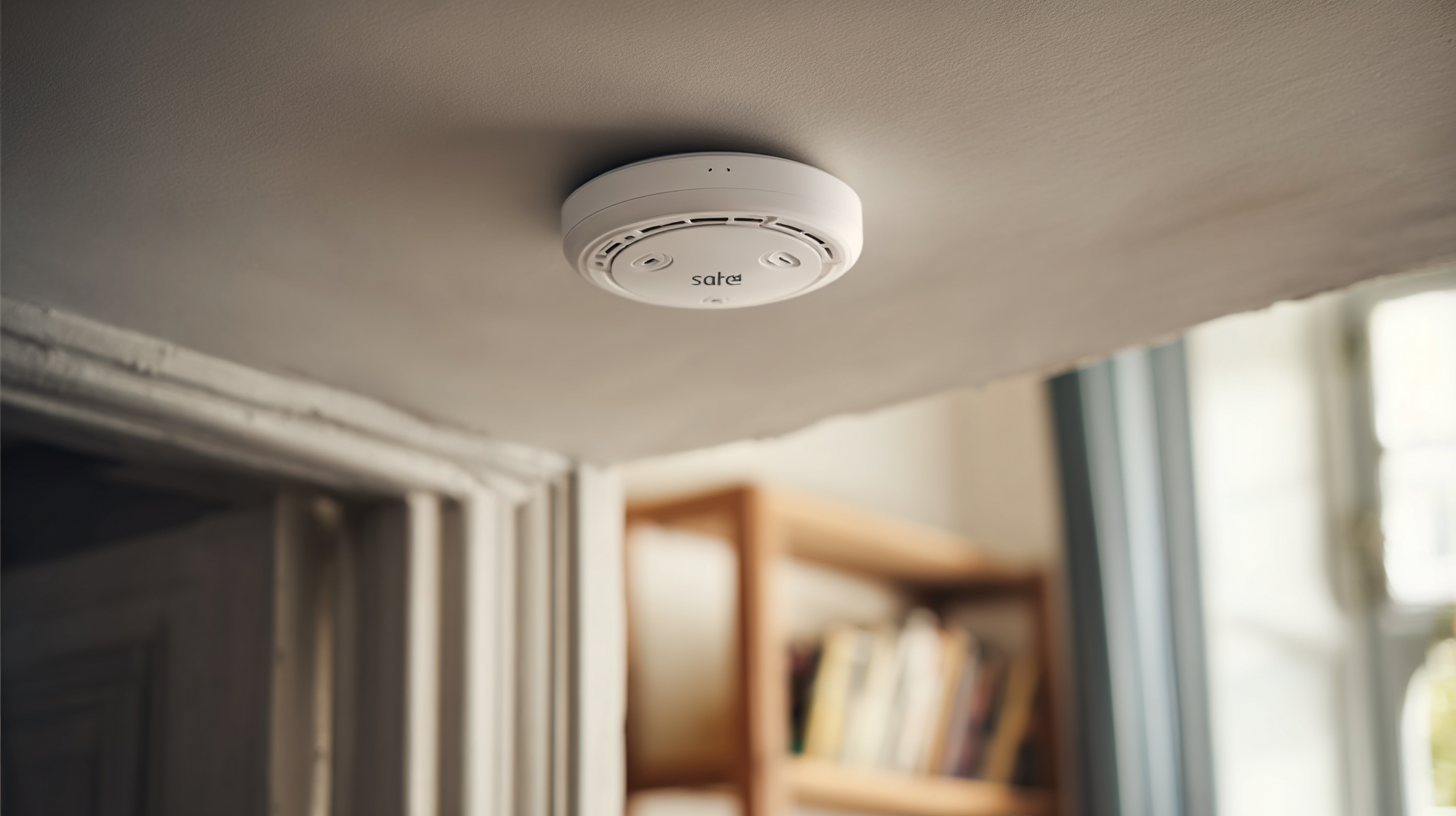
And if you're in the market for fire safety gear, companies like Yuyao Lixin Electronics Co., Ltd. have got you covered. They offer a bunch of fire and security products, like their photoelectric smoke detectors, which respond quickly to smoky, smoldering fires—perfect for keeping homes safe. As more folks realize how important reliable fire detection is, making informed choices becomes even more vital. By paying attention to local regulations and investing in newer, more effective fire alarms, property owners can better protect their tenants and steer clear of legal troubles, just like some recent news stories have shown us.
Comparing Different Types of Smoke Alarms: Ionization vs. Photoelectric
When you're choosing a smoke alarm system, it’s really important to understand the difference between ionization and photoelectric alarms. Knowing how each works can make a big difference in keeping your home safe. For example, ionization alarms are super sensitive to fast-flaming fires — you know, like when paper or some flammable liquids catch fire quickly. They contain a tiny amount of radioactive material that detects sudden changes in the air caused by smoke particles from those kinds of fires. But, here’s the thing: they can sometimes go off too often because of things like cooking smoke or steam, which can be really annoying and might even make you start ignoring the alarms altogether—that’s called alarm fatigue, and it’s a real thing.
On the flip side, photoelectric alarms work a little differently. They use a light sensor inside a chamber to spot smoke. These alarms tend to be better at catching those slow, smoky fires — you know, the ones that smolder quietly for a while. The best part? They’re less likely to go off because of everyday cooking smoke, so they’re great for areas like the kitchen. Most safety experts recommend having a mix of both types of alarms around the house because each one is good at detecting different kinds of fires. Understanding these differences can really help you make smarter choices about your home safety gear and ensure you’re covered no matter what kind of fire might break out.
Comparison of Smoke Alarm Types: Ionization vs. Photoelectric
This chart compares the average response times of Ionization and Photoelectric smoke alarms. Ionization smoke alarms typically respond faster to flaming fires, while Photoelectric alarms are more effective for smoldering fires. Understanding these differences can help in selecting the appropriate smoke alarm system for enhanced safety and compliance in your environment.
Installation Best Practices for Optimal Smoke Alarm Performance
When you're setting up smoke alarms at home, it really pays to follow some good practices to make sure they work properly and keep everyone safe. First off, picking the right spots for the alarms is super important. You wanna put them in every sleeping area, right outside each bedroom, and on every level of the house—even the basement. Now, just a quick heads-up: don’t install them too close to the kitchen or bathrooms because steam and cooking fumes can trigger false alarms. A good rule of thumb? Keep them at least 10 feet away from those spots.
And don’t forget, regular check-ups are key. Homeowners should test their smoke alarms once a month—just press the test button and make sure everything’s working. Also, swap out the batteries at least once a year to stay on top of it. Oh, and it’s a smart idea to replace the whole unit every 10 years since technology gets outdated. Keeping a little note or record of these maintenance tasks can help keep everything up to code and safe for your family. Stick to these simple tips, and you can really boost how reliable your smoke alarms are—and, more importantly, how well they protect you all.
Regular Maintenance and Testing: Ensuring Your Smoke Alarms Work Effectively
Keeping up with regular maintenance and testing of your smoke alarms is super important if you want to stay safe, especially in small apartment buildings. Did you know that more than a quarter of recent residential fires happened in homes without working smoke detectors? That’s a pretty big deal, so making fire safety a priority is really worth it. It’s a good idea for residents to do simple checks now and then to make sure their alarms are actually working. Things like testing them once a month and swapping out batteries at least once a year — or whenever your alarm starts chirping low-battery warnings — can really make a difference.
Here are some quick tips to keep your smoke alarms in tip-top shape:
- Test Monthly: Just press the test button on each alarm to see if it rings loud and clear. If it doesn’t, it’s time to replace it or check the connection.
- Change Batteries Once a Year: Try to do this when you change your clocks for daylight saving time — it’s an easy reminder.
- Keep Them Clean: Dust and dirt can mess with how well your alarm works. Use a vacuum or a damp cloth to gently wipe down the outside of each alarm at least once a month. It might seem small, but these little steps help keep everything responsive.
By sticking to these simple maintenance tips, you’re not only helping keep yourself and your loved ones safe, but you’re also making sure you’re covered and complying with safety rules. It’s all about minimizing the risk of a fire turning into a disaster in your home!
FAQS
: Compliance with local regulations is crucial as nearly three out of five fire-related deaths occur in homes without working smoke alarms. Local regulations ensure optimal safety by dictating the type, number, and placement of smoke alarms.
Ionization smoke alarms are sensitive to fast-flame fires, while photoelectric smoke alarms effectively detect smoldering fires. Each type has its strengths, and using a combination of both offers comprehensive coverage.
Ionization smoke alarms contain radioactive material that detects rapid changes in ionized air caused by smoke particles from fast-flame fires, such as those from burning paper or flammable liquids.
Essential maintenance tasks include monthly testing of alarms, replacing batteries at least once a year, and regularly cleaning the alarms to remove dust and debris that can interfere with their function.
Smoke alarms should be tested monthly by pressing the test button to ensure they sound properly.
If a smoke alarm chirps, it indicates a low battery, and the batteries should be replaced immediately.
A good practice for battery replacement is to do so once a year when changing clocks for daylight saving time.
Using both ionization and photoelectric smoke alarms is recommended because each type is effective in different fire scenarios, providing comprehensive safety coverage.
Poorly maintained smoke alarms can lead to malfunctioning, increasing the risk of fire-related incidents and jeopardizing safety.
Property owners can ensure compliance by investing in smoke detectors that meet local guidelines and conducting regular maintenance to keep them functional.
Conclusion
Smoke alarms are pretty much a must-have if you want to keep your home safe and make sure you're ticking all the boxes with local rules. Knowing why these little devices matter is easy — they catch fires early, which can really make a difference in saving lives and protecting your stuff. When you're picking out a smoke alarm, there are a few things to keep in mind: like whether you go for ionization or photoelectric detectors, and making sure it meets your area's safety standards. Installing it just right is super important to get the best out of it, and don't forget to test and clean it regularly — that way, you know it’ll do its job when it really counts.
At Yuyao Lixin Electronics Co., Ltd., we're all about creating top-quality fire and security gear, including some of the best photoelectric smoke detectors out there. Our products are built with safety and performance in mind, so you can rest easier knowing your home is protected and up to code. Investing in a good smoke alarm isn’t just about ticking boxes — it’s about genuinely adding an extra layer of safety for you and your loved ones against fire dangers.