In today’s busy and ever-cHanging business world, keeping your workplacesafe and secure is more important than ever. One key piece of the puzzle is making sure you have reliable Emergency Batteries. At Yuyao Lixin Electronics Co., Ltd., we’re proud to be a top manufacturer specializing in fire and security electronics—think addressable emergency lights, smoke detectors, and all that good stuff. We totally get how crucial it is to have dependable power sources when emergencies strike. Picking the right emergency batteries for your business isn’t just about ticking boxes on safety regs—it’s about protecting your people and your assets too. This handy list will walk you through what to look for—important features and considerations—so your fire and Security Systems keep working when it really counts. Whether it’s a power outage or some unexpected crisis, having the right emergency batteries can make all the difference in keeping everyone safe and giving you some peace of mind.
When you're picking out emergency batteries for your business, there are a few key things you really want to keep in mind to make sure they’re reliable and do the job. First off, take a good look at what kind of power your critical equipment needs. Different gadgets pull different amounts of juice, so knowing that will help you find a battery that can keep things running during a blackout.
Tip: Just do a quick calculation of the wattage your essential devices require, and make sure the battery’s capacity is a bit higher. That way, you’ll have enough backup time without guessing.
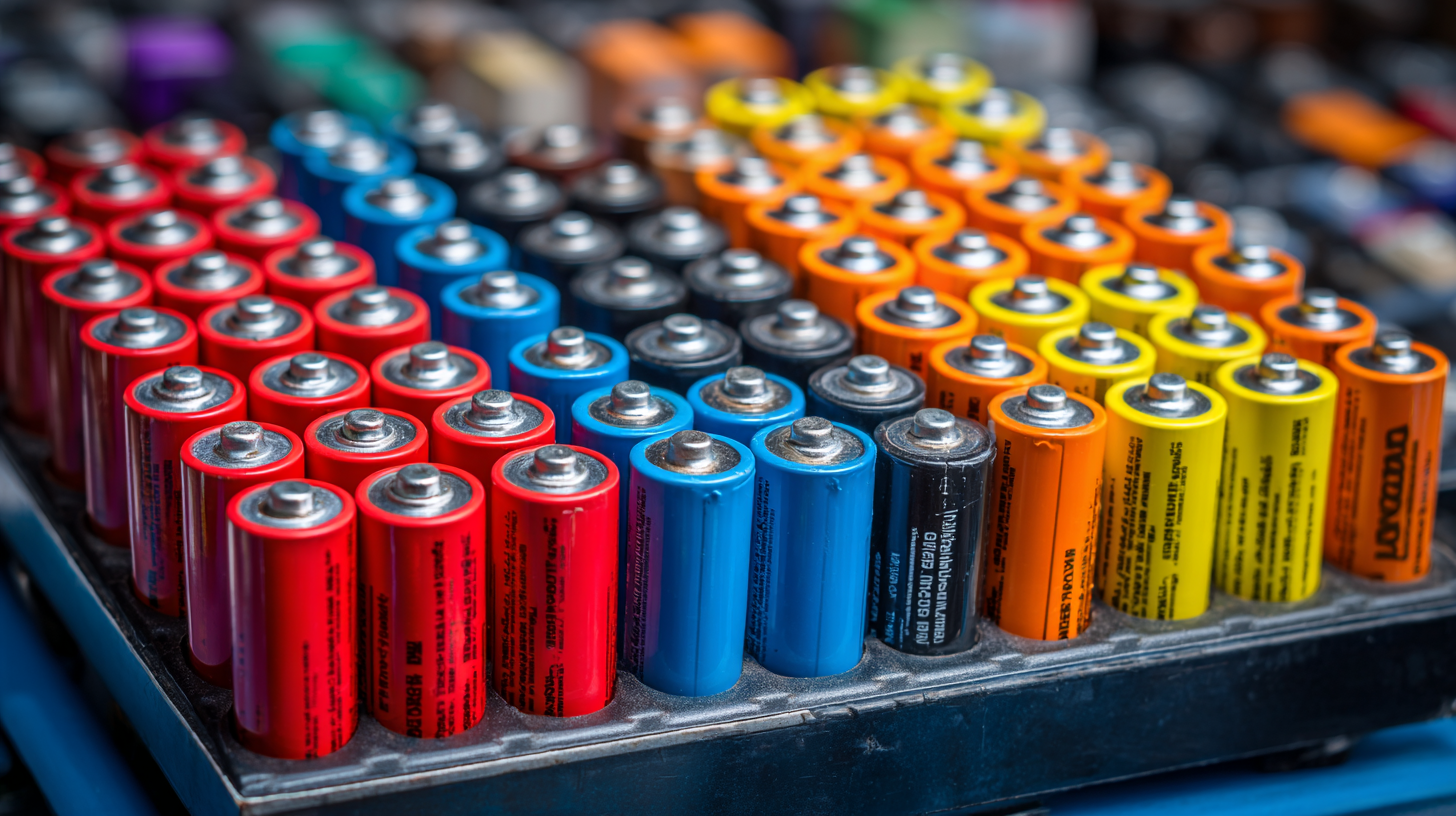
Another thing to think about is the type of battery technology. You’ve got options like lithium-ion and lead-acid, each with their own perks. Lithium-ion batteries tend to be more efficient and last longer, but lead-acid batteries can be a more budget-friendly choice, especially for bigger setups.
Tip: It’s worth weighing the initial cost against the long-term expenses—like maintenance and how often you'll need to replace things—so you can pick something that fits your budget and your business needs without surprises down the line.
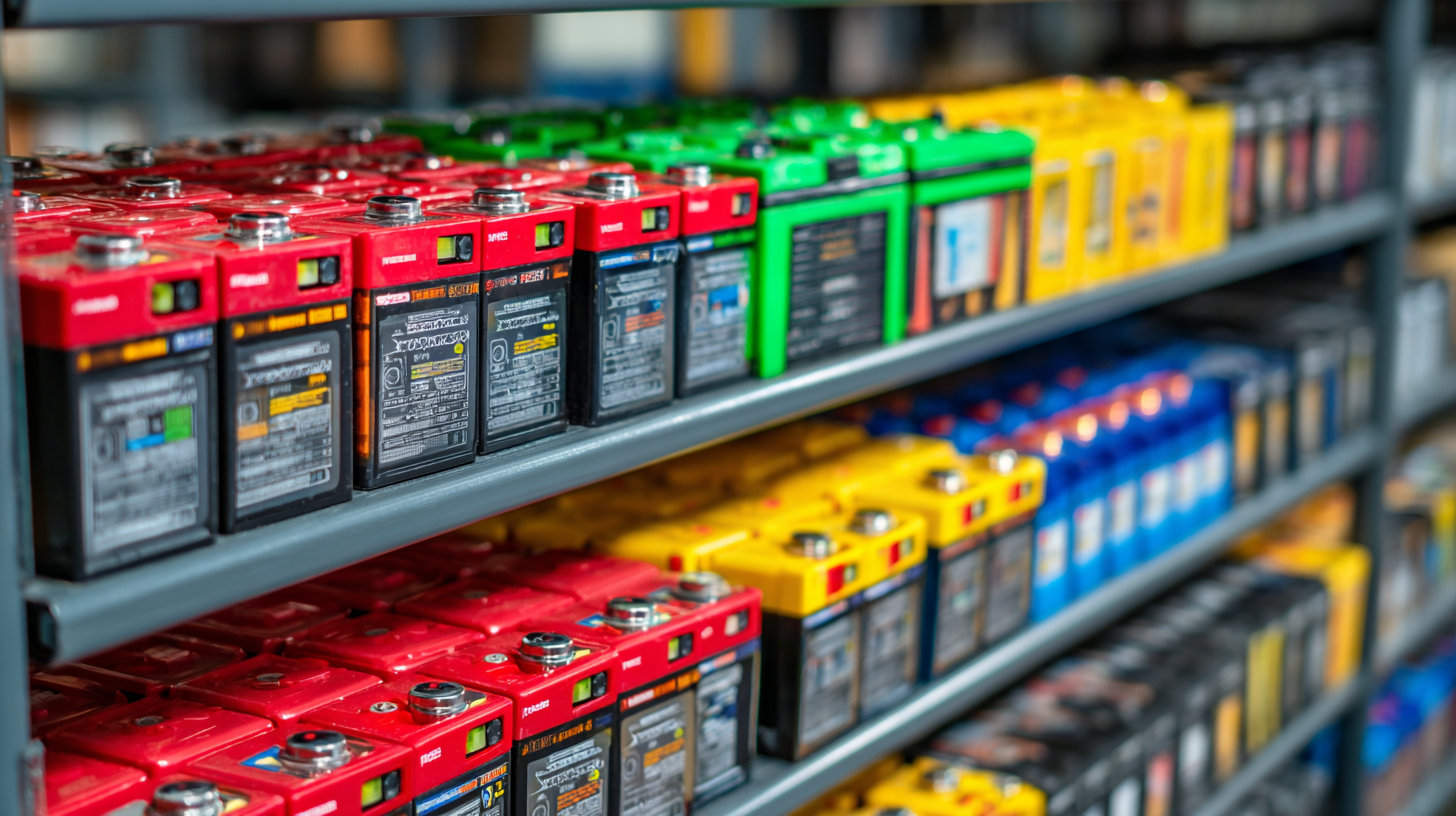
When you're getting your business ready for unexpected power outages, it’s really important to understand the different types of emergency batteries out there. Lead-acid batteries are pretty common—they’re affordable and tend to be reliable, so a lot of folks use them. You’ll often see them powering backup systems like alarms, security cameras, or uninterruptible power supplies (UPS). Plus, their knack for providing steady voltage makes them a go-to choice for many businesses.
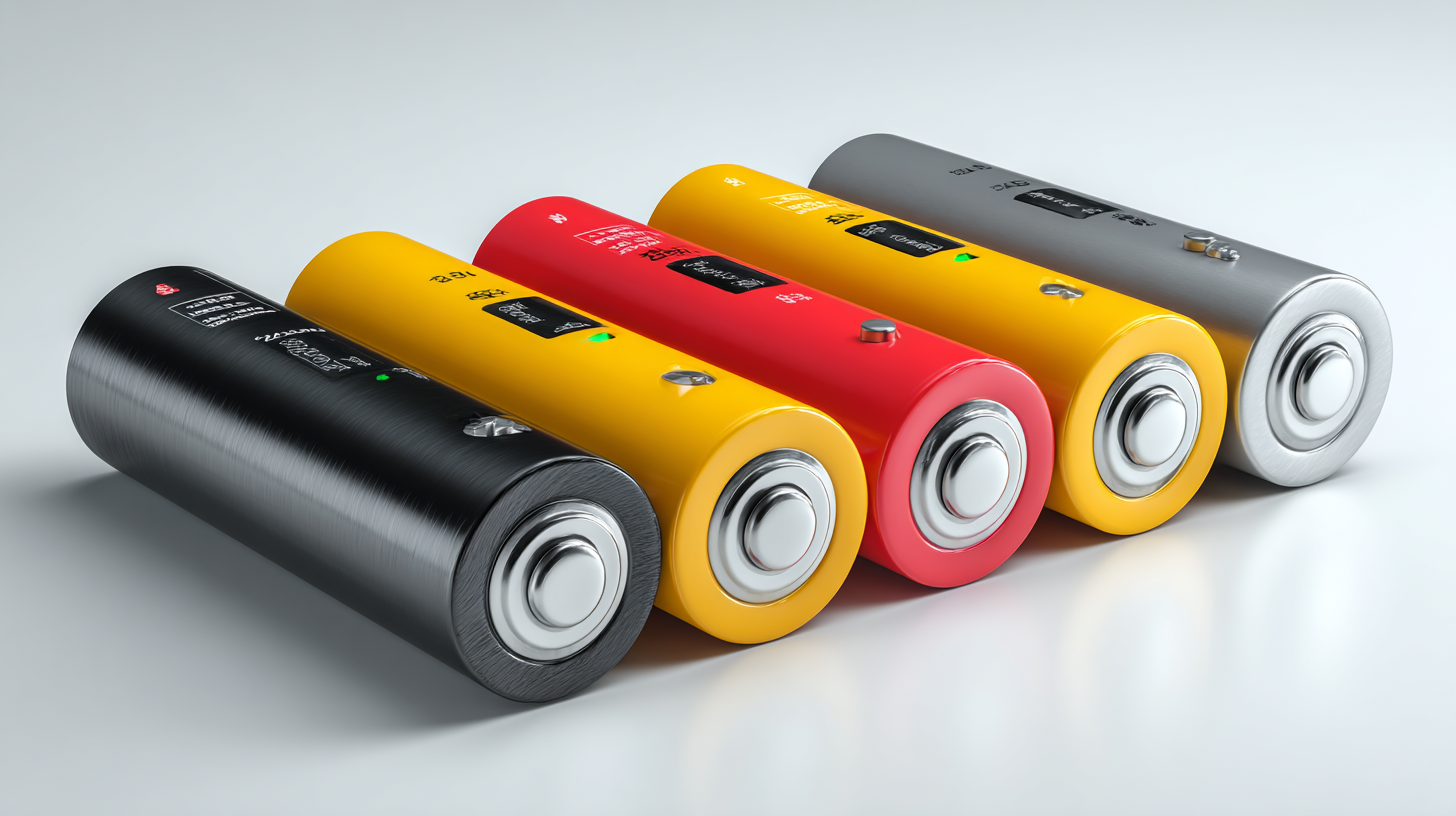
Now, on the flip side, lithium-ion batteries have been gaining a lot of traction lately. Why? Well, they pack more energy into a lighter package. That makes them perfect if your business needs portable power—think mobile medical gear or outdoor events. They also last longer and charge up faster, which is a big deal if you're all about efficiency.
Knowing these differences can really help you pick the right emergency battery that fits your specific needs—no more guesswork!
When you're trying to pick out the best emergency batteries for your business, understanding exactly what your power needs are is super important. It’s not just about throwing any battery in there—take some time to evaluate how much capacity you'll really need. This is especially true if you're dealing with critical systems like fire and security gear, like the ones from Yuyao Lixin Electronics Co., Ltd. They have stuff like addressable emergency lights and heat detectors, and honestly, you want to make sure those gadgets stay powered up during a blackout.
To get a good idea of the right batteries, start by making a list of all the devices that’ll need backup power. Think about how many watts each one uses and how long you’d need them running if the power suddenly goes out. Say, for example, your building has LED exit signs or smoke detectors that activate when it’s dark—figuring out their combined power consumption really helps you choose the right-sized batteries. This little step not only helps you stay within safety regulations but also keeps everyone and everything safe. Picking the right batteries thoughtfully can really boost your safety game, making your business a more secure place overall.
When it comes to being prepared for emergencies, the lifespan and reliability of batteries really matter for any business. You know, in those moments when everything hits the fan — whether it’s a power outage, a natural disaster, or some unexpected equipment breakdown — having batteries you can count on can make all the difference. Longer-lasting batteries help keep your backup systems up and running during those extended blackouts, giving you enough time to activate your emergency plans. If your battery gives out just when you need it most, it could lead to some serious problems—like losing important data, lowered productivity, or even safety hazards for your team.
And it’s not just about how long a battery can run; it’s also about how well it performs in different conditions. Emergency situations are unpredictable, so batteries that can handle extreme temperatures or tough environments are a total must-have. Picking the right emergency batteries means checking out their specs and going for trusted brands that have a solid reputation in critical moments. Focusing on lifespan and reliability means that when the time comes, your business will be ready to face whatever comes your way — and be prepared to handle any storm that hits.
So, when you're trying to pick out emergency batteries for your business, it really pays to weigh the costs against the benefits. I recently read a report from the Energy Storage Association that says businesses can actually cut their energy bills by up to 30% just by using smarter battery storage systems. And that’s mainly because you can lower those sky-high peak demand charges and make the most of time-of-use pricing. Yeah, investing in high-capacity batteries might seem pricey at first, but honestly, the long-term savings and benefits often make it totally worth it.
On top of that, it’s super important to think about how long the batteries will last and how dependable they are. There’s this study from the International Renewable Energy Agency that points out high-quality lithium-ion batteries can go up to 15 years — way longer than the cheaper options, which might only last 5 to 7 years. That kind of durability isn’t just good for emergencies; it also means you’re not constantly replacing batteries, saving you some serious cash over time. When you take all these things into account, investing wisely in the right batteries can help make sure your business stays powered up when you need it most — plus, it’s a smart move financially in the long run.
| Battery Type | Battery Life (Years) | Cost per Unit ($) | Maintenance Cost per Year ($) | Estimated Total Cost ($) | Pros | Cons |
|---|---|---|---|---|---|---|
| Lead Acid | 3-5 | 120 | 30 | 300-600 | Cost-effective | Heavy, environmental concerns |
| Lithium-ion | 8-10 | 300 | 15 | 3150-6000 | Lightweight, long lifespan | Higher initial cost |
| Nickel Cadmium | 5-7 | 150 | 20 | 500-1050 | Good performance | Memory effect, toxic materials |
| Alkaline | 1-2 | 1 | 0 | 1-2 | Widely available | Short lifespan, not rechargeable |
When you're trying to pick out the best emergency batteries for really tough conditions, it's super important to think about the environment you're using them in. Stuff like temperature, humidity, and other external factors can really change how batteries perform. For example, lithium-ion batteries are a popular choice because they pack a lot of energy and work pretty efficiently, but they don’t love the cold. In super cold places, their energy usage can go up, and regenerative braking might not work as well, which can mess with how well your system operates.
Here’s a good tip: look for batteries that are actually built for harsh environments. Features like thermal management—things that help keep the battery at the right temperature—can make a huge difference. Also, it’s worth checking out real-world data on how batteries perform in conditions similar to yours before making a decision.
And on top of that, sustainability is becoming a big deal. As we use more metals for battery production, it’s good to be aware of the environmental impact. Doing a life cycle assessment can help you see the full picture—how much carbon gets emitted during manufacturing, usage, and recycling. Picking batteries that are eco-friendlier can really add up.
Pro tip: try to choose batteries that have solid recycling programs and good life cycle ratings. That way, your choice supports green practices. And if you’re looking for even more efficiency, exploring hybrid renewable energy setups might give you some extra ideas for integrating batteries into your projects.
The LX-604ML Waterproof Security Alarm System stands out as a top choice for homeowners looking to enhance safety without compromising on convenience. Designed to withstand the elements, this system is perfect for both indoor and outdoor use. Its waterproof feature ensures that it remains fully operational in harsh weather conditions, offering peace of mind no matter the forecast. This durability is complemented by its user-friendly interface, making it accessible for individuals who may not be tech-savvy.
Beyond its robust construction, the LX-604ML focuses on comprehensive protection. It boasts advanced motion detection technology, which minimizes false alarms while alerting homeowners to actual threats. The system can be integrated with smartphones, allowing users to monitor their property in real-time and receive instant notifications of any suspicious activity. This level of responsiveness is crucial for maintaining a secure environment, particularly for those who travel frequently or leave their homes unattended for extended periods. By investing in the LX-604ML, users not only enhance their security but also gain the convenience of modern technology designed to protect their most valuable assets.
: You should calculate the wattage of your essential devices and ensure that the battery's capacity exceeds this requirement to provide adequate backup time during outages.
The two common types are lead-acid batteries and lithium-ion batteries, each with unique advantages depending on your business needs.
Lithium-ion batteries are generally more efficient, have longer life cycles, are lighter in weight, and offer faster charging capabilities compared to lead-acid batteries.
Lead-acid batteries are commonly used for backup power in systems like alarm systems, security cameras, and uninterruptible power supplies (UPS).
Consider both the upfront costs and overall lifecycle costs, including maintenance and replacement frequency, to make an informed decision that aligns with your budget and operational demands.
Businesses may choose lithium-ion batteries for their higher energy density, portability, and overall efficiency, making them suitable for mobile medical equipment or outdoor events.
Lead-acid batteries are known for their affordability and reliability, making them a popular choice for businesses needing consistent backup power.
Factors include the power requirements of your critical equipment, the type of battery technology, cost considerations, and the applications you need them for.
Yes, choosing the right battery technology can affect efficiency, maintenance needs, and overall readiness for power outages, thus impacting your business's operations significantly.
When you're picking out emergency batteries for your business, it’s really important to think about a few key things to make sure they’ll hold up when you need them the most. Getting a good handle on the different types of emergency batteries out there—and knowing when and where to use each—can actually save you a lot of hassle later on. Plus, it’s vital to consider your business’s power needs, how long the batteries will last, and how they perform in tough, extreme conditions—that way, you’re not caught off guard.
At Yuyao Lixin Electronics Co., Ltd., we’ve got deep know-how in fire and security electronics, so we’re here to help businesses figure out the best emergency battery options. Finding that sweet spot between cost and performance isn’t just about saving a few bucks—it’s about protecting your investment and keeping your premises safe. Focusing on reliable, high-quality emergency batteries means you’re better prepared for whatever surprises might come your way.