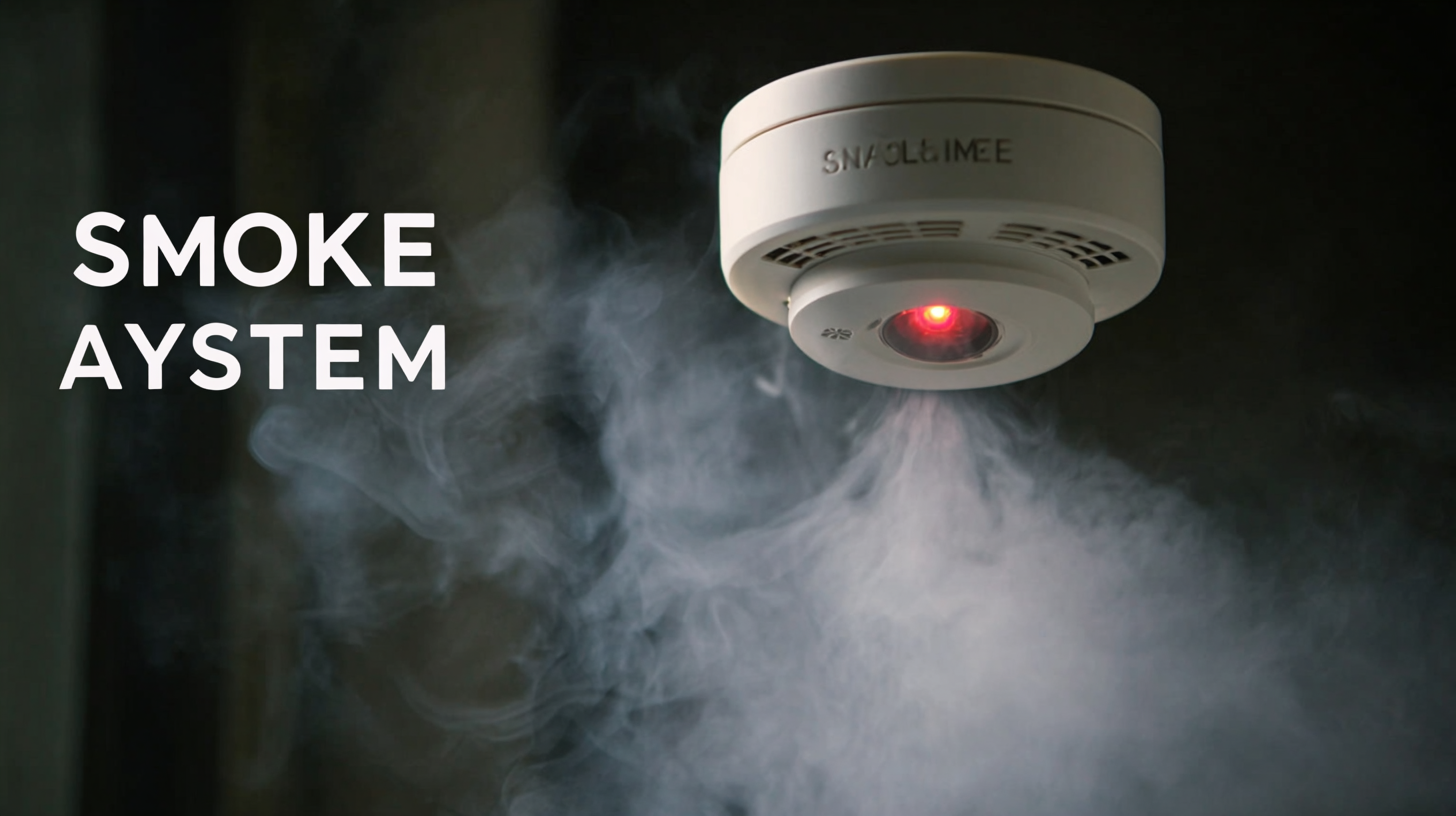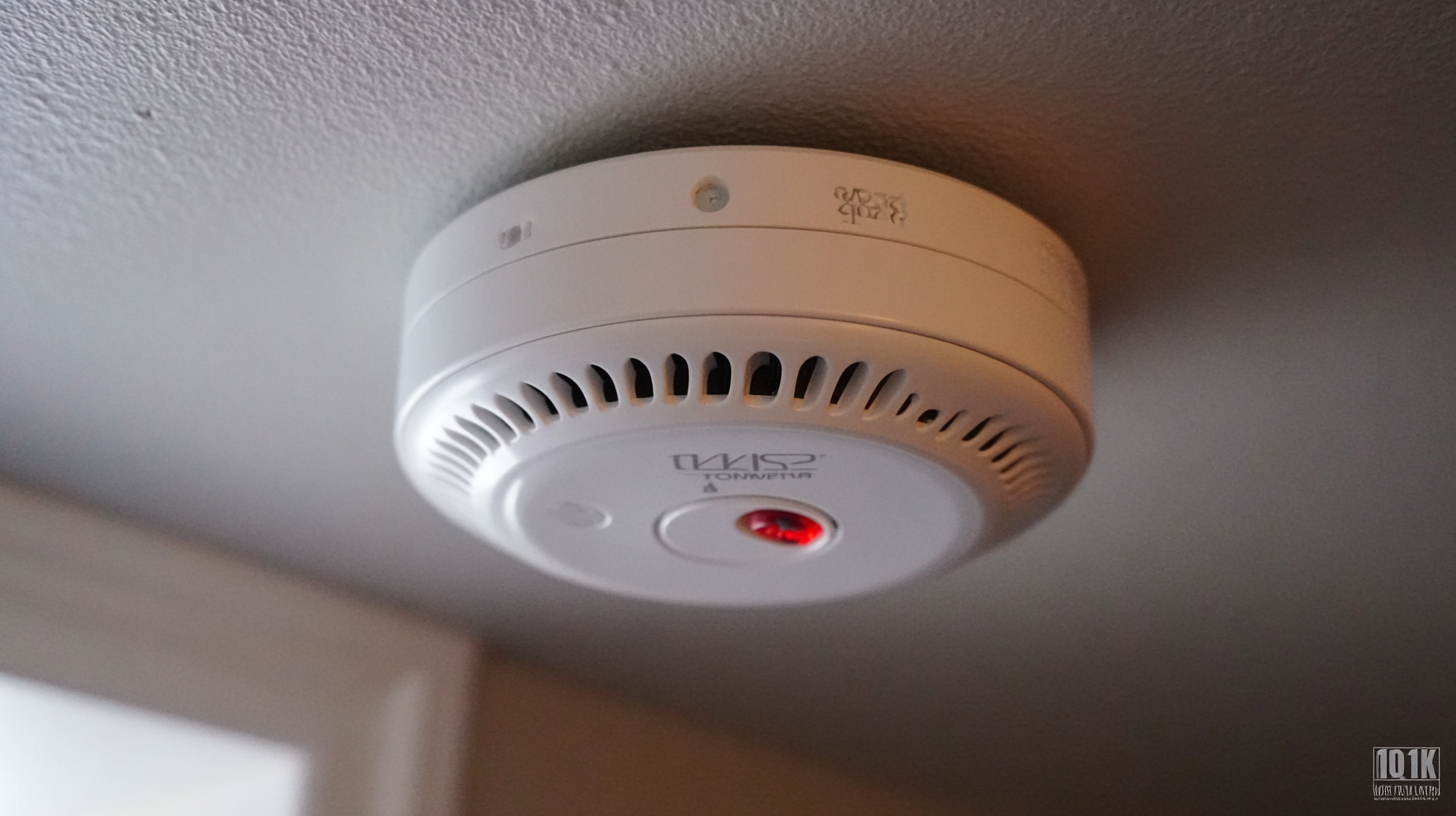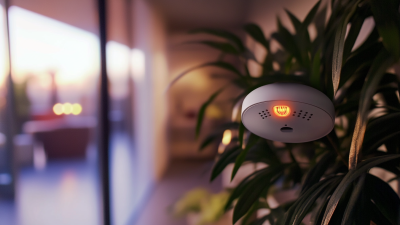
You know, in today’s world, fire safety is super important. Choosing the right smoke Alarm System can really make a difference in saving lives and protecting your home. Did you know that, according to the National Fire Protection Association (NFPA), three out of every five fire-related deaths at home actually happen because there aren't any working smoke alarms? It's a pretty scary stat and really shows why we need reliable fire detection systems like the ones from Yuyao Lixin Electronics Co., Ltd. They’re a modern manufacturer that specializes in fire and security gadgets, offering stuff like photoelectric smoke detectors and heat detectors that give you early warnings—definitely a good thing for keeping both homes and businesses safe. Plus, they export worldwide, which speaks to their commitment to quality. So, it’s really essential for folks to understand what features and functionalities their smoke alarm options have.
When it comes to fire safety, smoke alarm systems are absolutely essential for keeping people and property safe. Can you believe that the global fire alarm equipment market is expected to hit an eye-popping USD 69,862.2 million by 2034? That's a compound annual growth rate (CAGR) of 6.8%! It really shows just how important these systems are becoming. People are way more aware of fire safety now, and there’s a growing demand for high-tech fire detection solutions. Honestly, smoke alarms are becoming a must-have in any emergency plan.
Now, here’s something interesting: the smoke detector market alone is projected to soar from about USD 2.11 billion in 2024 to nearly USD 4.78 billion by 2034. This surge is being driven by some cool new tech innovations and a big push towards wireless fire detection systems. These advancements are not just making alarms more reliable; they’re also super user-friendly. This makes it easier for both families and businesses to put fire safety measures in place. All of this really drives home the point that getting a solid smoke alarm system isn’t just about ticking off a box for compliance. It’s actually a key part of a smart fire safety strategy.
| Feature | Description | Key Statistic/Trend |
|---|---|---|
| Types of Smoke Alarms | Ionization, Photoelectric, Dual-Sensor | Photoelectric alarms are less likely to cause false alarms. |
| Battery Life | Standard: 1-2 years, Long-life: 10 years | 70% of smoke alarms fail due to dead or missing batteries. |
| Smart Features | Wi-Fi connectivity, Mobile alerts, Voice alerts | Smart alarms increase response time by 33%. |
| Test & Maintenance | Regular testing and battery replacement recommended | Only 50% of households test their smoke alarms regularly. |
| Installation Locations | Outside each sleeping area, on every level of the home | 65% of fatal fires occur in homes without smoke alarms. |
Alright, so let’s talk about picking the right smoke alarm system. It’s super important to know the different types out there. You've got two main kinds: ionization and photoelectric smoke alarms. Each one comes with its own perks and ways of working.
First up, ionization smoke alarms are your go-to for those quick, flaming fires. You know, the ones that shoot up fast and make tiny particles in the air? These alarms use a smidge of radioactive material to create a chamber that can sense when smoke disrupts the ion flow. So, they’re pretty great in situations like a kitchen fire where things can get out of hand real quick.
Now, on the flip side, we have Photoelectric Smoke Alarms. These babies are champs at spotting smoldering fires, which are slower and kick up bigger particles and smoke. They work by shining a light inside the chamber; when smoke rolls in, it scatters the light and sets off the alarm. This makes them especially handy in places where fires might start off slow and then suddenly go up in flames.
So, with these differences in how each type responds to fires, it’s a good idea for homeowners to really think about their living environment and what fire risks they might face before deciding between ionization and photoelectric smoke alarms. It’s all about keeping your home safe, right?
The above chart compares the average response times of two types of smoke alarms: Ionization and Photoelectric. Ionization alarms are faster in detecting fast flaming fires, while Photoelectric alarms are more effective in smoldering fire situations. Understanding these differences can help you choose the best smoke alarm system for your needs.
Hey! So, if you’re in the market for a smoke alarm system, it’s super important to pay attention to safety ratings and certifications. You really want to make sure that your smoke alarms meet standards from well-known organizations like Underwriters Laboratories (UL) or the American National Standards Institute (ANSI). These certifications are a big deal—they mean the device has gone through a lot of testing to make sure it can perform reliably when it counts, like in a fire. Keep an eye out for labels that guarantee the alarm can effectively detect smoke and respond quickly. That extra time could be what saves you in an emergency.
And don’t forget to check out the different safety features that various smoke alarms offer. Some models come with this awesome dual-sensor technology that uses both ionization and photoelectric sensors. That combo really helps when it comes to detecting different types of fires. There are even smart smoke alarms that can hook up to your home’s Wi-Fi, letting you get alerts on your phone and even keep an eye on things remotely. So when you're picking out a smoke alarm system, make sure it has the right certifications and features that fit your unique needs and the layout of your home. It’s all about giving you and your family that peace of mind and top-notch safety.
When choosing the right smoke alarm system for your home, it is crucial to evaluate your unique needs. Different living environments necessitate different types of smoke detectors to ensure maximum safety. According to the National Fire Protection Association (NFPA), nearly 60% of home fire deaths occur in homes without smoke alarms or where smoke alarms are not working properly. Therefore, it is essential to identify the specific areas in your home that require enhanced safety features, such as bedrooms, hallways, and living spaces.
For instance, families with members who are hard of hearing may consider specialized smoke alarms equipped with visual signals or vibrating alerts. Additionally, homes with an open floor plan might benefit from interconnected smoke detectors, which ensure that an alarm in one area will alert the entire house.
At Yuyao Lixin Electronics Co., Ltd., we offer a range of solutions including photoelectric smoke detectors and heat detectors that cater to various preferences and spaces. Our products are designed to provide reliable protection and meet modern safety standards, ensuring your home is equipped to handle emergencies effectively.
When it comes to keeping your home safe, having a smoke alarm system that’s installed and taken care of properly is super important. Here are some handy tips to make sure you get it right. First off, you should install smoke alarms on every level of your home, especially near the bedrooms. This way, if there’s a fire, everyone can be alerted even if they're in a deep sleep. It’s a no-brainer, right? Oh, and don’t forget to get interconnected alarms—this means when one goes off, they all do. That’s definitely a good thing to have!
Once your system’s all set up, it’s crucial to keep up with regular maintenance. A great way to do this is by testing your smoke alarms every month—just hit that test button and make sure it blares loudly. You can’t go wrong with that! Also, remember to change those batteries at least once a year. If you want to skip the hassle, you might want to check out lithium battery-powered alarms; they can last up to ten years! And don’t forget to replace the whole alarm unit every ten years to keep it in tip-top shape and to comply with safety standards. Keeping on top of these checks and replacements is key to making sure your home stays safe and sound.
Enhancing home security has become a priority for many homeowners as recent industry reports highlight the effectiveness of alarm systems and LED emergency lighting in deterring crime. Alarm systems now integrate advanced technology that provides smarter surveillance features. For example, modern systems can connect to your smartphone, allowing you to monitor your home in real time, receive instant notifications of suspicious activities, and even communicate with emergency services at the touch of a button. This level of connectivity not only provides peace of mind but also acts as a strong deterrent to potential intruders who know they are being watched.
Additionally, LED emergency lighting is an essential complement to alarm systems. With their energy-efficient design and long lifespan, LED lights help enhance visibility around your property, making it less appealing to burglars. Recent reports suggest that well-lit exteriors significantly reduce the likelihood of a break-in, as they eliminate hiding spots and increase the chance of detection. Investing in motion-sensor LED lights not only illuminates dark areas automatically when movement is detected but also contributes to lower electricity bills compared to traditional lighting options. Together, alarm systems and LED emergency lighting create a formidable defense system that keeps your home safe and secure.
: Smoke alarm systems are crucial in fire safety as they significantly reduce the risk of fire-related deaths and damage, providing early detection and alerting occupants in emergency situations.
The global fire alarm equipment market is projected to reach USD 69,862.2 million by 2034, with a compound annual growth rate of 6.8%.
The smoke detector market is expected to grow due to technological innovations, an increasing emphasis on wireless fire detection systems, and a growing awareness of fire safety.
Assess your home's layout and specific areas requiring smoke detectors, ensuring placement in critical areas like bedrooms and hallways. Consider specialized alarms for unique needs, such as visual signals for the hearing impaired.
Install smoke alarms on every level of the home near sleeping areas, use interconnected alarms to ensure all sound simultaneously, and follow manufacturer guidelines for optimal placement.
Test your smoke alarms monthly, change batteries at least once a year, and replace the alarms every 10 years to ensure they function properly and meet safety standards.
Look for reliable features such as photoelectric and heat detection technologies, interconnected systems, and alarms with long-lasting lithium batteries for enhanced safety and performance.
Nearly 60% of home fire deaths occur in homes without smoke alarms or where the alarms are not functioning properly.
Families with members who are hard of hearing may require smoke alarms with visual signals or vibrating alerts to ensure they are notified promptly in case of a fire.
Smoke alarms should be replaced every 10 years to ensure they continue to meet current safety standards and function effectively.