You know, in today’s crazy, fast-paced world, making sure we’re safe and prepaRed is super important—especially when emergencies hit. One thing that often gets overlooked? Emergency Batteries. They’re actually pretty crucial for powering up safety devices like Exit Signs, smoke detectors, and emergency lighting.
Here at Yuyao Lixin Electronics Co., Ltd., we totally get how vital it is to have reliable power when things get tough. We’re a modern manufacturer that focuses on fire and security electronics and LED lighting, and we really care about quality. Our lineup includes everything from addressable emergency lights to advanced detectors, so we’re all about making sure you’ve got the right gear when it counts.
In this blog post, we’re going to dive into some handy tips on picking the best Emergency Batteries, focusing on the key specs and performance factors that keep your safety equipment running when you really need it.
Identifying Essential Specifications for Emergency Batteries
So, when it comes to picking the right emergency batteries, it’s really important to look at some key specs that guarantee they’ll hold up when you need them the most. First off, check the capacity, usually measured in milliampere-hours (mAh). The higher that number, the longer your battery will last, which is super crucial in those unexpected situations. And don’t forget to find batteries that maintain a steady discharge rate. You want that consistent power flow when everything else is going haywire.
Another thing to keep in mind is the type of battery you’re dealing with. For instance, lithium-ion batteries are pretty popular because they’re lightweight, pack a lot of energy, and last longer on the shelf compared to the good ol’ alkaline ones. Just a heads-up, though: they do need a bit of extra care when it comes to charging and handling. Oh, and definitely check how well they perform in extreme temperatures. You want them to work whether it’s blazing hot or freezing cold.
Here’s a quick tip: make sure to test your emergency batteries every now and then to see if they’re still good. It’s super easy—just pop them into a low-drain device like a flashlight for a quick check. Also, it might be a smart move to grab a multi-type charger. It can handle different battery sizes and chemistries, giving you a lot more options in emergencies.
Understanding Different Types of Emergency Batteries: Pros and Cons
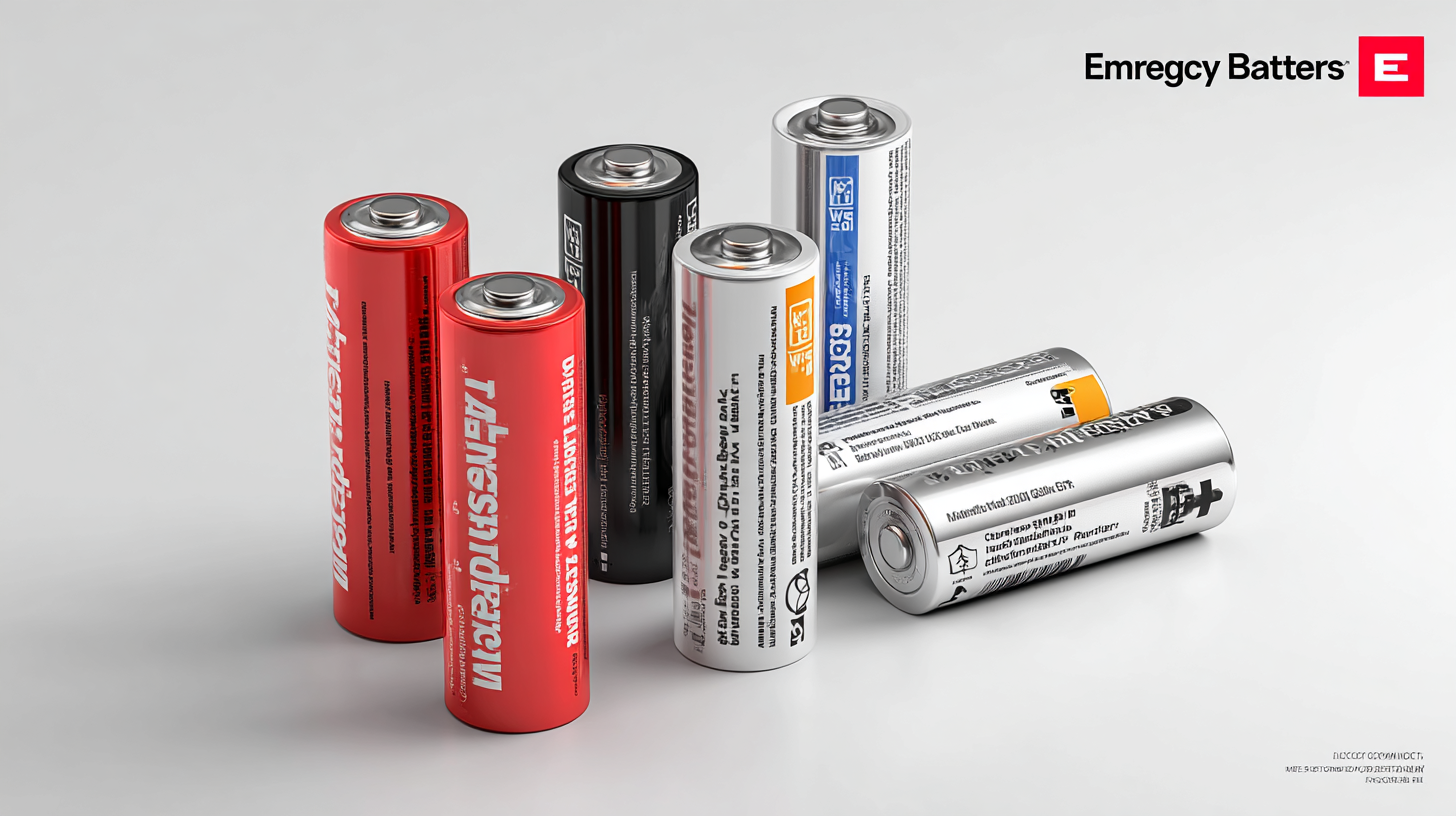
So, when you’re trying to pick out the best emergency batteries, it’s super important to know the different types that are out there. You’ve got your basic alkaline batteries, those lithium-ion ones that everyone’s been talking about, and then there are lead-acid batteries. Each of these comes with its own mix of pros and cons. Alkaline batteries? They’re pretty cheap and easy to find, but they can struggle a bit when the temperature gets really hot or cold. On the flip side, lithium-ion batteries pack a punch with their high energy density and can be recharged, making them perfect for multiple uses, but watch out—they usually come with a higher price tag. As for the lead-acid batteries, they’re tough and dependable, especially in bigger setups, but yeah, they can be pretty heavy and you’ve got to keep up with maintenance on those.
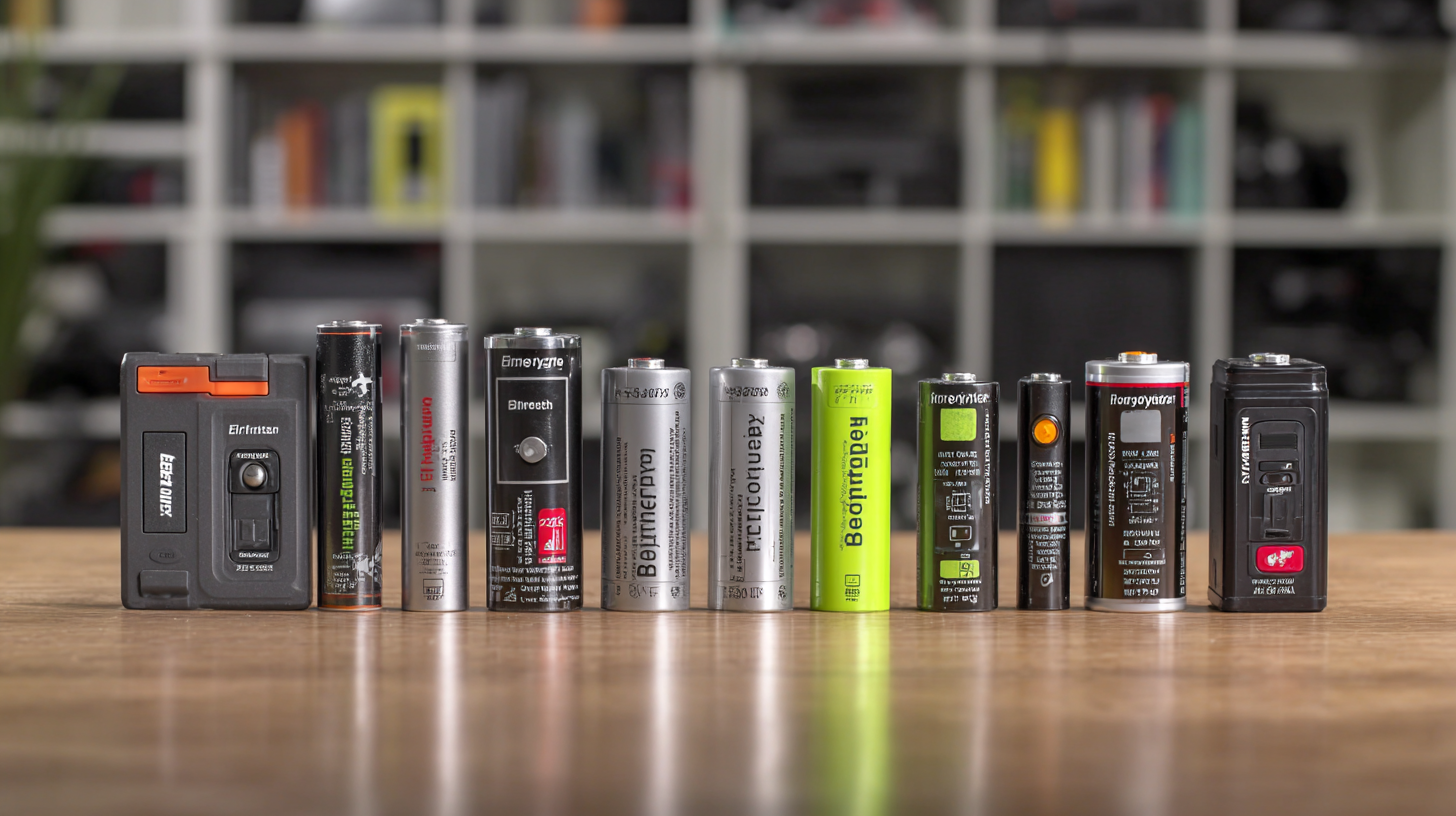
Now, here’s a tip: think about how long you want the battery to sit around—like, you know, storage life. I came across this report from Battery University that says alkaline batteries can chill for up to 10 years without losing their oomph, whereas lithium-ion batteries typically start to lose their charge after about 2-3 years. Also, check out the discharge rates; some batteries are built for high-drain devices while others work better for low-drain stuff.
And don’t forget about temperature ranges! According to research from the National Renewable Energy Laboratory, lithium-ion batteries can handle a wild range—from -20°C to 60°C—making them pretty suitable for outdoor emergency kits. So, when you’re making your choice, take a minute to think about the environment where the battery will be used. You want to make sure it’s going to last and be reliable when you need it most!
Performance Metrics: How to Evaluate Battery Lifespan and Capacity
Choosing the right emergency batteries can feel a bit overwhelming, but it’s super important to consider things like how long they last and how much power they hold. So, let’s break it down a bit. Battery lifespan is usually talked about in charge cycles — basically, how many times you can charge it before it starts to wear out. Most lithium-ion batteries fall somewhere between 500 and 1,500 cycles. The Department of Energy mentions that if you take good care of your battery, it might keep about 80% of its original capacity even after around 1,000 cycles. That’s pretty impressive, right? This is why lithium-ion batteries are a popular go-to for emergencies — they’re reliable when you really need them.
Now, capacity is another biggie to think about. It’s measured in milliamp hours (mAh) and shows just how much energy a battery can hold. The higher the mAh, the longer you can use your devices without charging. For example, a 20,000 mAh battery can keep smaller gadgets running way longer than a 10,000 mAh battery. According to a recent report from ResearchAndMarkets, batteries with at least 15,000 mAh are becoming a hot trend for emergency kits since they can power things for several days without needing a recharge. So, when you’re picking out emergency batteries, make sure to look at both their lifespan and capacity. That way, you’ll be well-prepared for any surprise situations that come your way!
Battery Lifespan and Capacity Comparison
Safety Standards and Certifications for Reliable Emergency Batteries
Hey there! So, when you're out there looking for emergency batteries, it's super important to really get a grip on safety standards and certifications. You know, lately, there’s been a big push to make lithium-ion batteries safer, and it really highlights how crucial these regulations are in keeping battery-related accidents at bay. Take a look at the new New York law, for example—it’s got these tighter safety standards for lithium-ion batteries, acknowledging some key certifications that regulate how they’re made and used. It’s all about reducing risks, especially for stuff like e-bikes and scooters that are in high demand right now.
And speaking of standards, the new CSA C800-2025 is turning heads in the energy storage world. It’s setting the bar for making sure these products are reliable and perform well. This is super important as the industry faces the challenges of rising energy demands and safety worries. By rolling out these regulations, we’re not just making products safer but also helping to build trust among consumers when it comes to emergency battery solutions. When manufacturers focus on meeting those recognized safety certifications, they can really offer products that hold up to the tough demands of today's energy users.
How to Choose the Best Emergency Batteries: Key Specifications and Performance Insights - Safety Standards and Certifications for Reliable Emergency Batteries
| Battery Type | Capacity (mAh) | Voltage (V) | Weight (grams) | Cycle Life | Safety Certification |
| Lithium-ion | 2500 | 3.7 | 150 | 500 | UL, CE |
| Nickel-metal Hydride | 2400 | 1.2 | 120 | 300 | CE, RoHS |
| Lead-acid | 8000 | 12 | 3500 | 200 | IEC, UL |
| Lithium Iron Phosphate | 2800 | 3.2 | 300 | 2000 | UN38.3, UL |
Factors to Consider for Emergency Battery Portability and Use-case
When you’re picking out emergency batteries, you really need to think about how portable they are and what you’ll actually be using them for. I mean, portability is all about how easy it is to lug around a battery pack when things hit the fan. So, look for those lightweight designs that can squeeze into your backpack or even fit in your car’s glove compartment without taking over the whole space. You know, compact battery packs with tough casings are usually built to last, making them perfect for outdoor adventures like camping or hiking, where every ounce counts.
Now, about the use-case—think about what devices you might need to keep running when an emergency strikes. If you often find yourself reaching for smaller gadgets, like your smartphone or portable lights, then a battery with USB outputs and several charging ports is definitely a must-have. But if you're gearing up for something bigger, like powering a laptop or essential medical devices, it’s worth it to splash out on a high-capacity battery that comes with AC outlets. And don’t forget, the power capacity, which is usually measured in milliamp-hours (mAh), tells you how long your devices can stay on. So, always make sure you match your battery choice to your actual needs and possible situations—it’ll save you a lot of stress when emergencies pop up!
Global Trends in Emergency Battery Manufacturing: China's Role in the Market
You know, when talking about emergency battery solutions, it’s really important to keep an eye on what’s happening in global manufacturing, especially since China is pretty much dominating the market right now. Chinese companies are stepping up their game, coming up with cool innovations to keep up with the increasing need for dependable emergency power sources. This is super relevant, especially for things like fire and security electronics. Take Yuyao Lixin Electronics Co., Ltd., for example. They’re really leading the charge, producing top-notch stuff like addressable emergency lights and exit signs. These products are lifesavers during power outages and play a crucial role in keeping everyone safe.
Now, let’s chat about the specs of emergency batteries — they really matter when it comes to performance. Things like charge time, lifespan, and capacity are big players in the game. With how manufacturing is changing in China, there’s a noticeable move toward incorporating advanced tech in emergency lighting systems, which is making them more efficient and reliable. Yuyao Lixin is all about high-performance products, which means their emergency solutions not only meet global safety standards but also really cater to the specific needs of different industries. This is definitely making waves in the fire and security electronics space!
FAQS
: A higher capacity, measured in milliampere-hours (mAh), indicates a longer running time, which is crucial in emergencies.
Lithium-ion batteries are preferred due to their lightweight, high energy density, and longer shelf life compared to traditional alkaline batteries.
It is recommended to periodically test emergency batteries using them in low-drain devices, like a flashlight, for a short duration to ensure they are functioning properly.
New York legislation has imposed stricter safety standards and recognized critical certifications to enhance lithium-ion battery safety and mitigate risks.
CSA C800-2025 is a new standard established to ensure the reliability and performance of energy storage solutions, addressing safety concerns and growing energy demands.
China leads the market by ramping up innovations to meet the rising demand for reliable emergency power sources, particularly in fire and security electronics.
Key specifications include capacity, discharge rate, battery type, and temperature range to ensure effective performance under extreme conditions.
A multi-type charger accommodates various battery sizes and chemistries, providing flexibility in emergencies and ensuring that you can recharge different batteries as needed.
Compliance with recognized safety certifications enhances product safety and bolsters consumer trust in emergency battery solutions.
They are producing high-quality emergency products, such as addressable emergency lights and exit signs, by integrating advanced technologies to enhance efficiency and reliability.