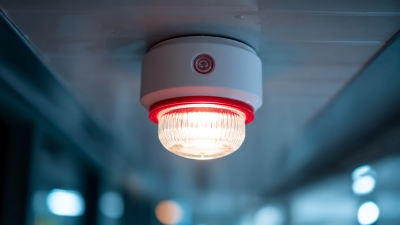
In today's world — where safety really matters— picking the right fire and Smoke Alarms isn’t just a tech decision, it’s alife and property saver. With all these new gadgets and options out there, it can feel kinda overwhelming to know what’s best. That’s where we come in.
At Yuyao Lixin Electronics Co., Ltd., we’re a modern company passionate about making top-quality fire and security electronics — like our really reliable photoelectric Smoke Detectors. We’re all aboutinnovation and safety, and we aim to help you figure out what works best for your specific situation.
Safety’s a big deal, and we’re here to help you make smarter choices. This guide is designed to give you the lowdown you need — covering everything from features to standards — so you can pick the perfect alarms for your home, business, or public space.
Choosing Between Ionization and Photoelectric Smoke Alarms: Key Differences Explained
When you're trying to pick out the right smoke alarm for your home or business, it’s pretty important to get a handle on the differences between ionization and photoelectric alarms. I recently came across a market research report by Custom Market Insights, and it’s crazy—by 2034, the global smoke detector market is expected to hit around 85.58 billion USD! That’s a huge jump, growing at about 10.5% per year. It really shows how much people are paying attention to fire safety and how vital it is to choose the right smoke detection tech.
Now, ionization alarms are often the go-to because they’re quick to react to fires with flames, but some studies—including one from CSIRO—point out that they might not be as fast when it comes to detecting smoldering fires. On the flip side, photoelectric alarms are generally better at catching those slow-burn, smoky fires, which makes them a pretty smart choice, especially for homes. There are all kinds of options out there—battery-poweRed, hard-wired, even smart alarms—so it’s really worth thinking about what kind of fire risks you’re dealing with in your space. As tech keeps improving, the industry is moving towards smarter, safer solutions that respond faster and better in emergency situations."
Ultimate Guide to Choosing the Right Fire Smoke Alarms for Global Markets
| Type of Smoke Alarm | Detection Method | Response Time | Best for | Advantages | Limitations |
| Ionization Smoke Alarm | Ionization Reaction | Fast (typically 30 seconds) | Areas with fast-flaming fires | Cost-effective, quick response to flames | Less effective for smoldering fires |
| Photoelectric Smoke Alarm | Light Scattering | Moderate (approximately 60 seconds) | Areas with smoldering fires | Better detection of smoke, less false alarms | Generally more expensive |
| Dual-Sensor Smoke Alarm | Combination of Ionization and Photoelectric | Variable (30-60 seconds) | General use in homes | Comprehensive fire detection | Higher cost and complexity |
Understanding the Importance of Dual-Sensor Smoke Alarms for Enhanced Safety
When it comes to fire safety, dual-sensor smoke alarms really do make a big difference in helping us stay alert and cut down on risks. Unlike those old-school alarms that rely on just one kind of technology—either photoelectric or ionization—these newer dual-sensor models combine both. That means they can pick up on more types of fires — whether it’s a fast-flaming blaze or a slow, smoky smolder. Honestly, that side of things is super important, especially since different places can have pretty different fire hazards.
And here’s the thing – understanding why dual-sensor alarms are so crucial also means recognizing how many safety standards worldwide now favor them. Many regions actually recommend or even require them in building codes because they just work better. So, when you invest in one of these alarms, whether as a homeowner or a business owner, you’re not just protecting yourself—you’re helping keep everyone around you safer too. It’s all about being proactive, really. Fires can be totally unpredictable, so having a reliable alarm can really make a difference—and maybe even save lives in the long run.
Global Market Trends: Growth Projections for Smoke Alarm Technologies by 2025
As we head into 2025, it looks like the global market for smoke alarm technologies is really set to grow — and a lot of it comes down to rising safety awareness and some pretty exciting tech advances. Recent reports suggest that demand for smoke alarms will shoot up, especially as countries around the world tighten their fire safety rules and update building codes. It’s not just about dealing with more fire incidents, though; it’s part of a bigger trend where folks want safer homes and workplaces.
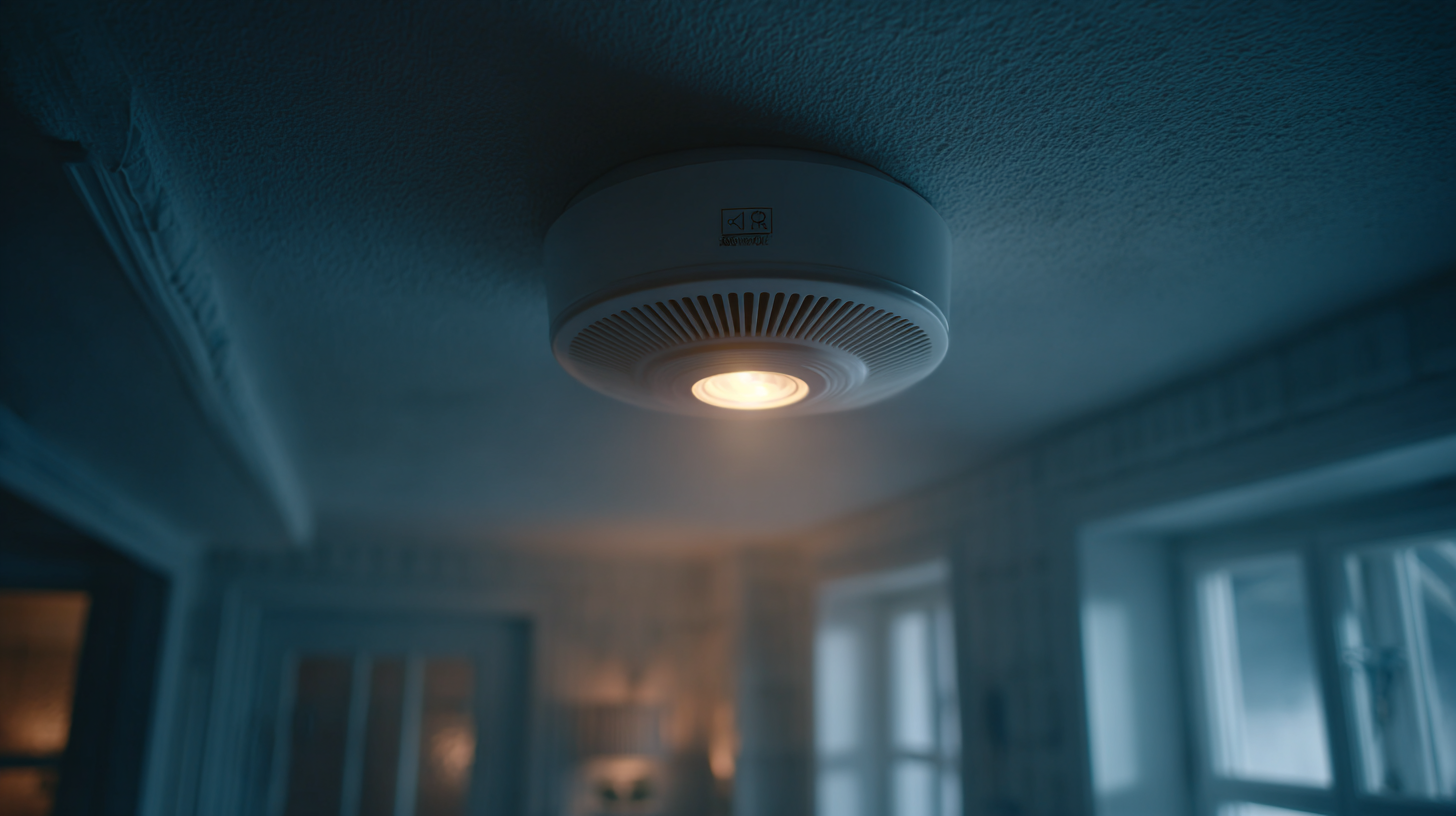
On top of that, innovations in smoke detection are really shaking things up. Think IoT gadgets and smart home systems that can talk to each other. Nowadays, people love smart smoke alarms that connect to other devices, send alerts straight to their phones, and show real-time updates. It’s no wonder these features are becoming super popular with homeowners. This whole shift opens up fresh opportunities for manufacturers and pushes more investment into R&D, making the market more lively and competitive as we get closer to 2025. Basically, anyone involved in this space needs to stay on top of these trends so they can adapt and keep up with what that global consumer wants and needs.
Regulatory Standards: How Fire Safety Regulations Vary Across Different Regions
Fire safety rules can really differ a lot depending on where you are, especially after something terrible like the Grenfell Tower fire in England. That tragedy led to a big reevaluation of safety standards for apartment buildings, and now the rules are much stricter to better protect the folks living there. In England, it’s now largely on property owners and landlords to keep their buildings safe and up to date with the latest safety measures. Residents aren't left in the dark either — they’re given advice on how to report any concerns about fire safety, helping everyone stay vigilant and responsible.
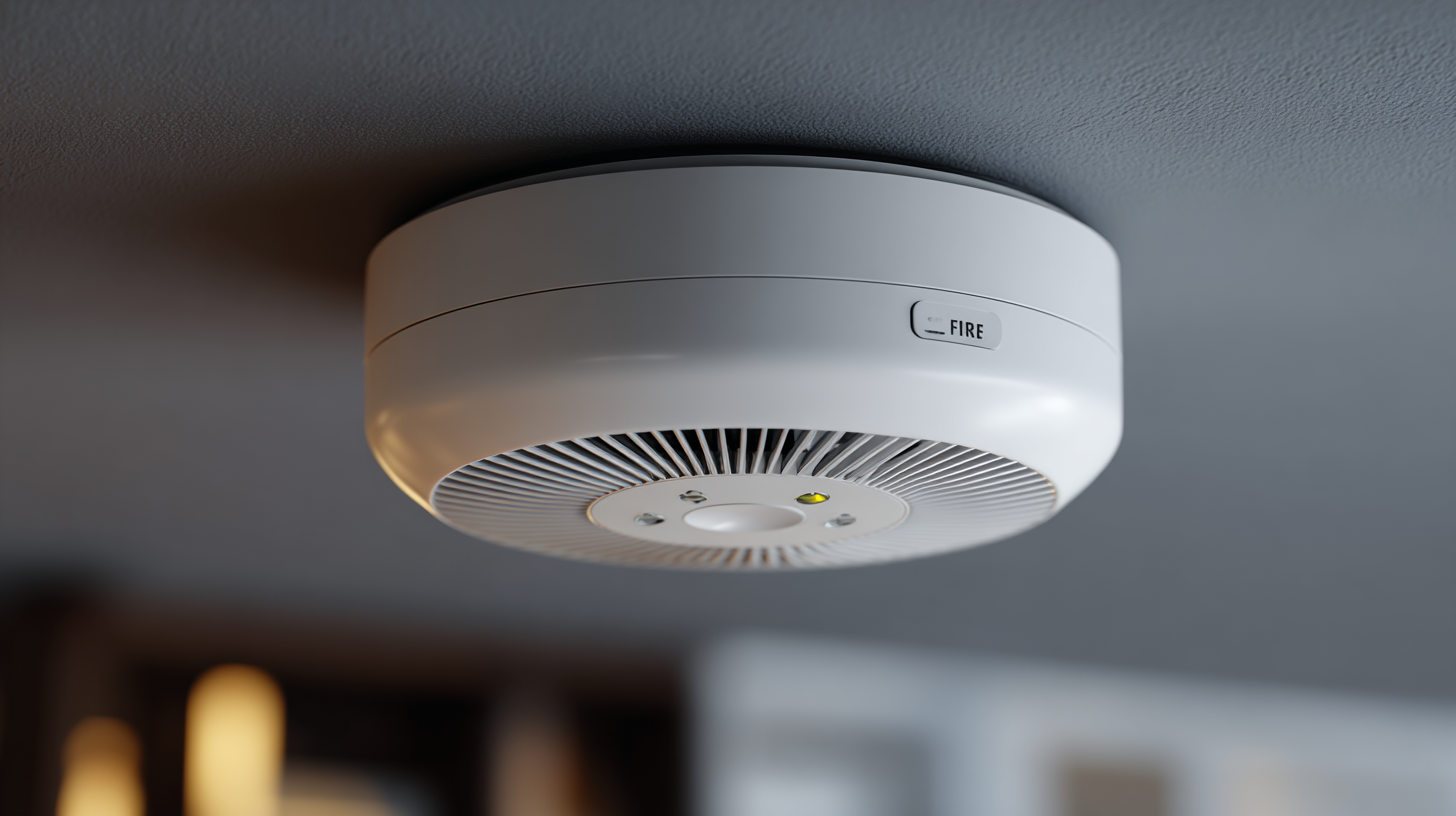
Meanwhile, around the world, as cities get more crowded, making sure fire safety is on point becomes even more critical. Different places come up with their own ways to tackle fire risks, often taking into account local building styles and environmental stuff. For example, areas prone to earthquakes might have safety rules that focus less on fire and more on making sure buildings can handle multiple kinds of hazards. Knowing these regional quirks is super important for builders and retailers who need to follow rules but also want to make sure their designs are safe. As these safety standards keep changing, staying in the loop is key for everyone’s safety — residents and professionals alike.
Top Features to Look for in Contemporary Smoke Alarms: Beyond Basic Functionality
When you're choosing smoke alarms for modern homes or businesses, it’s pretty important to think beyond just the basics. One feature I’d definitely recommend is dual-sensor technology—basically, a combo of ionization and photoelectric sensors. This mix means the alarm can pick up on different types of fires faster, giving you better protection whether you're at home or running a shop. Fires can behave in all sorts of ways, so having a alarm that can catch both flaming and smoldering fires is a total game-changer for keeping everyone safe.
Another thing to look out for is smart connectivity. These days, many smoke alarms come with Wi-Fi or Bluetooth, so they can hook up to your phone or smart home gadgets. That way, you get alerts right to your device no matter where you are—whether you're at work, on the road, or just relaxing at home. Some of these smart alarms even check themselves now and remind you when it’s time for maintenance, which makes managing safety way easier—especially if you're busy or running a bunch of stuff at once.
Top Features to Look for in Contemporary Smoke Alarms
This chart displays the frequency of desired features in smoke alarms based on a survey of consumers. The features included are: Voice Alerts, Smart Home Integration, Battery Lifespan, Photoelectric Sensors, and Wi-Fi Connectivity.
The Impact of Smart Technology on Fire Safety: A Look at Connected Smoke Alarms
Did you know that the global market for smoke detectors is expected to hit a staggering USD 85.58 billion by 2034? That's pretty wild, especially when you consider that this growth is happening at a solid annual rate of about 10.5%. It really shows how much smarter tech is becoming such a huge part of fire safety these days. Today’s connected smoke alarms are leading the charge—they’re not just beeping anymore. They can communicate with your home's automation systems and even send alerts straight to your phone, giving you real-time info that might just save lives or prevent property damage.
But it’s not just about sounding an alarm anymore. These smart detectors come with all sorts of cool features—voice alerts, self-checks to make sure they’re working, and even syncing up with other safety devices around your house. It’s like creating a safer, more integrated safety net. And as cities grow and folks become more safety-conscious, the shift towards these high-tech smoke alarms just makes sense. It’s all about making homes and businesses better protected in our increasingly connected world, don’t you think?
FAQS
: Ionization smoke alarms are better at detecting flaming fires, while photoelectric smoke alarms are more effective at detecting smoldering fires, making the latter a potentially safer choice for residential environments.
The global smoke detector market is expected to reach a value of USD 85.58 billion by 2034.
The market is anticipated to experience significant growth due to increased safety awareness and technological advancements, with a particularly high demand for smoke alarms driven by stricter fire safety regulations.
Innovations such as the integration of IoT devices and smart home systems are reshaping consumer expectations, leading to the popularity of smart smoke alarms that offer connectivity and real-time updates.
Fire safety regulations can vary significantly depending on local incidents and conditions, with some regions enforcing stricter measures than others, particularly after tragic fires like the Grenfell Tower fire.
In places like England, property owners and landlords are responsible for maintaining fire safety in their buildings, ensuring compliance with the latest safety protocols.
Understanding regional differences in fire safety regulations is essential for retailers and builders to navigate compliance pressures and prioritize safety in their designs and operations.
The growing awareness of fire safety is driving demand for smoke alarms and enhancing fire protection measures in both residential and commercial properties.
Advancements encourage greater investment in research and development, creating new opportunities for manufacturers to innovate and stay competitive in a dynamic market.
Residents are encouraged to report fire safety concerns, fostering a culture of accountability and vigilance, thereby enhancing overall safety in their communities.
Conclusion
Hey there! If you're ever in the market for fire and smoke alarms, our 'Ultimate Guide to Choosing the Right Fire Smoke Alarms for Global Markets' has got you covered. We break down the main differences between ionization and photoelectric alarms—kind of like the pros and cons of each—so you can understand which one might be better for your situation. And honestly, these days, dual-sensor alarms are really gaining popularity because they combine both techs for the best bang for your buck when it comes to safety.
Looking ahead, we also chat about what the future holds for smoke alarm tech by 2025, including some trends to keep an eye on. Plus, it’s interesting (and a bit confusing) how different regions have their own standards, which actually affects how these alarms are designed and built. We also highlight the must-have features you should look out for, especially with smart tech now making its way into smoke alarms—things like connectivity that can really boost safety.
And, just so you know, with Yuyao Lixin Electronics Co., Ltd., we're all about staying ahead of the game—creating high-tech fire and security devices that meet the ever-changing needs of markets around the world. So, whether you’re a homeowner or a professional, we’re here to help you find the right solution.