When it comes to keeping your home safe these days, picking the right smoke Alarm System is a pretty big deal. Did you know that, according to the National Fire Protection Association, having properly installed and Maintained smoke alarms can cut down the risk of dying in a fire by about55%? That's pretty significant, right? Since modern home security really depends on good fire and safety electronics, companies like Yuyao Lixin Electronics Co., Ltd. are leading the charge.
They focus on creating innovative products like Photoelectric Smoke Detectors and addressable emergency lights, so homeowners can find systems that fit just right with their homes. As more folks realize how important reliable smoke alarms are, understanding their true benefits can make all the difference in how prepared and safe you feel at home.
Understanding Different Types of Smoke Alarms for Home Use
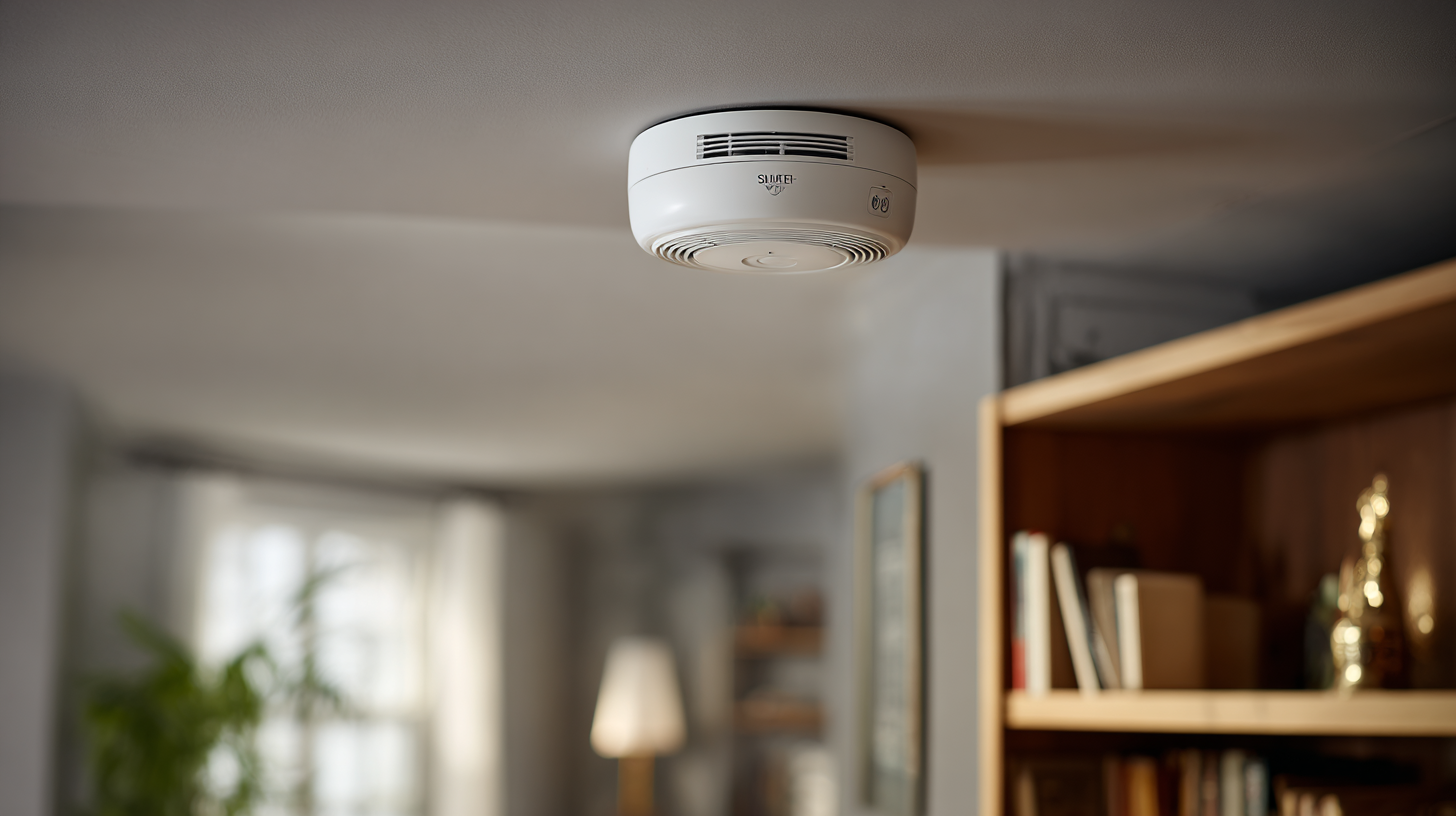
When it comes to keeping your home safe, picking the right smoke alarm system is super important. Honestly, understanding the different kinds out there can really help you make a smarter choice that fits your house and lifestyle. For example, photoelectric smoke detectors are especially good at catching those slow, smoldering fires—so they’re perfect for places like bedrooms and living rooms where you want to avoid false alarms but still stay safe. Plus, their fancy tech means fewer annoying false alarms, which is a big plus for families trying to get some peace of mind.
On the other hand, you might want to think about heat detectors. These kick in when there’s a quick spike in temperature, making them a solid pick for spots like kitchens or attics—areas where regular smoke alarms might go off unnecessarily because of steam or cooking smoke. At Yuyao Lixin Electronics Co., Ltd., we’re all about making top-quality fire and security gadgets, including photoelectric smoke detectors and heat detectors, designed to keep your home safe and sound. Once you understand the different kinds, it’s way easier to find the perfect alarm system that keeps your loved ones protected without any fuss.
How to Choose the Right Smoke Alarm System for Your Home Safety Needs - Understanding Different Types of Smoke Alarms for Home Use
| Type of Smoke Alarm | Detection Method | Power Source | Lifespan | Best For |
| Ionization Smoke Alarms | Fast response to flaming fires | Battery or hardwired | 5-10 years | Living rooms, Kitchens |
| Photoelectric Smoke Alarms | Detects smoldering fires | Battery or hardwired | 5-10 years | Bedrooms, Hallways |
| Dual-Sensor Smoke Alarms | Combines ionization and photoelectric | Battery or hardwired | 5-10 years | General home use |
| Smart Smoke Alarms | Wireless connectivity for alerts | Battery or hardwired | 5-10 years | Tech-savvy homes, remote monitoring |
| Heat Alarms | Detects increases in temperature | Battery or hardwired | 5-10 years | Garages, attics, kitchens |
Key Features to Look for in Smoke Alarm Systems
When you're choosing a smoke alarm system for your home, there are a few important features you really wanna keep in mind to keep things safe. First off, I’d recommend going for smoke detectors that use photoelectric technology — stuff like the alarms from Yuyao Lixin Electronics. These are actually better than the old-school ionization types because they’re super quick to detect smoldering fires, which can give you an earlier warning and potentially save lives. Honestly, that little extra heads-up can make a big difference during an emergency.
On top of that, it's a good idea to add in addressable emergency lighting and exit signs. This way, if a fire happens, not only will your alarm go off, but you’ll also have clear lights guiding you out safely. Plus, tossing in heat detectors can be a game-changer, especially in spots where the temperature might fluctuate a lot. Yuyao Lixin Electronics offers a solid range of fire and security gear, all focusing on quality and safety — making them a really good partner in making your home a lot safer for everyone there.
Assessing Your Home's Unique Safety Needs
When you're choosing the right smoke alarm system for your home, it really helps to start by thinking about what your specific safety needs are. Every house is kind of unique, right? Things like how big your place is, how many floors you've got, and whether you have bedrooms upstairs or in different areas all matter when figuring out how many smoke alarms you need and what type. For example, if you live in a bigger home, you’ll probably want a few detectors placed around to make sure everyone’s protected. But if you're in a small apartment, maybe just one well-placed alarm will do the trick.
Also, you’ve got to consider any particular risks in your home. If you’ve got a fireplace, gas appliances, or anything that could produce fumes, it might make sense to get detectors that can pick up both smoke and carbon monoxide. And if you've got young kids or elderly family members, it could be a good idea to go for interconnected alarms—those that talk to each other—so when one goes off, everyone gets the alert. Taking a bit of time to think through these things really pays off. It’ll help you set up a fire safety plan that’s actually tailored to your household, and that’s the best way to keep your loved ones safe and sound.
How to Properly Install and Maintain Your Smoke Alarm System
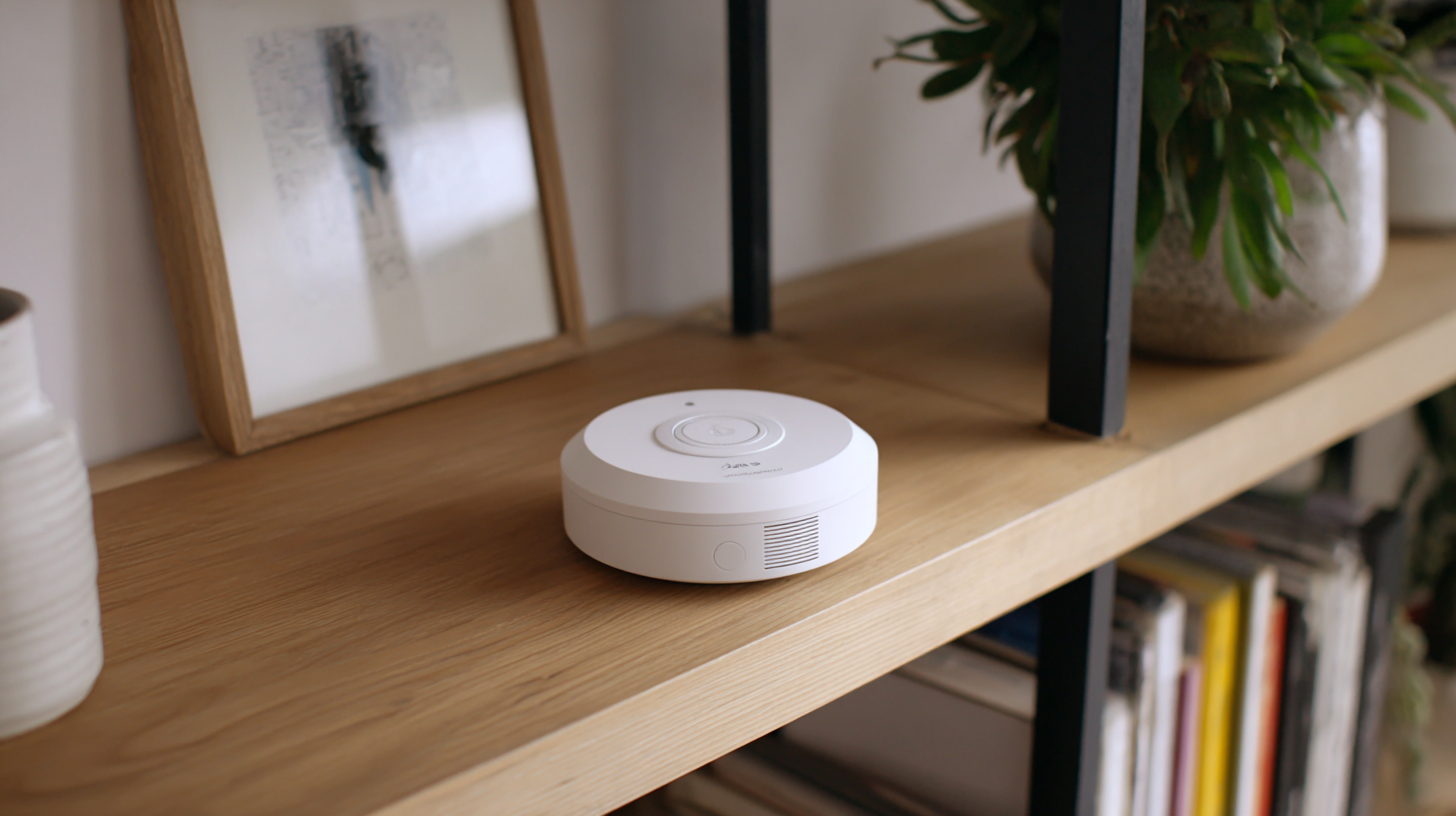
When it comes to keeping your home safe from fires, having a properly installed and well-maintained smoke alarm system is a must. First off, you wanna make sure you pick the right spots for your alarms. It's best to put them inside all bedrooms, right outside sleeping areas, and on each floor of your house — including the basement. Just a quick tip: try to avoid placing alarms too close to the kitchen since cooking smoke can set them off unnecessarily, and nobody wants those annoying false alarms!
Here’s a little routine to keep your alarms in top shape: test them once a month by pressing the test button — yep, it’s a quick click! Also, don’t forget to change the batteries at least once a year, and every ten years, it’s smart to replace the whole alarm unit for maximum safety.
And hey, maintenance isn’t just testing and swapping batteries. Dust and crumbs can gather on your alarms over time, which might mess with their ability to do their job. So, make it a habit to clean them monthly using a vacuum attachment or a damp cloth. It’s such a tiny thing but makes a big difference in making sure your alarm will actually work when you need it most. Trust me, staying on top of this stuff gives you and your family some real peace of mind.
Smoke Alarm System Features and Importance
This chart illustrates the importance of various features in a smoke alarm system based on a scale of 1 to 10. Battery backup and photoelectric sensors are deemed the most crucial, while interconnectivity, smart home compatibility, and ionization sensors are also significant for ensuring home safety.
Choosing Between Wired and Wireless Smoke Alarms
Picking the right smoke alarm system for your home isn't just about ticking a box — it's really about keeping everyone safe. When you're trying to decide between wired and wireless options, it can get a bit confusing, so here’s a quick rundown. Traditional wired smoke alarms have been around forever, and honestly, they’re pretty dependable. They get their power from your home's wiring, so no hassle with batteries needing constant replacing. Plus, many of these models are interconnected, so if one alarm goes off, they all do — which is super handy for waking everyone up and making sure no one misses the warning.
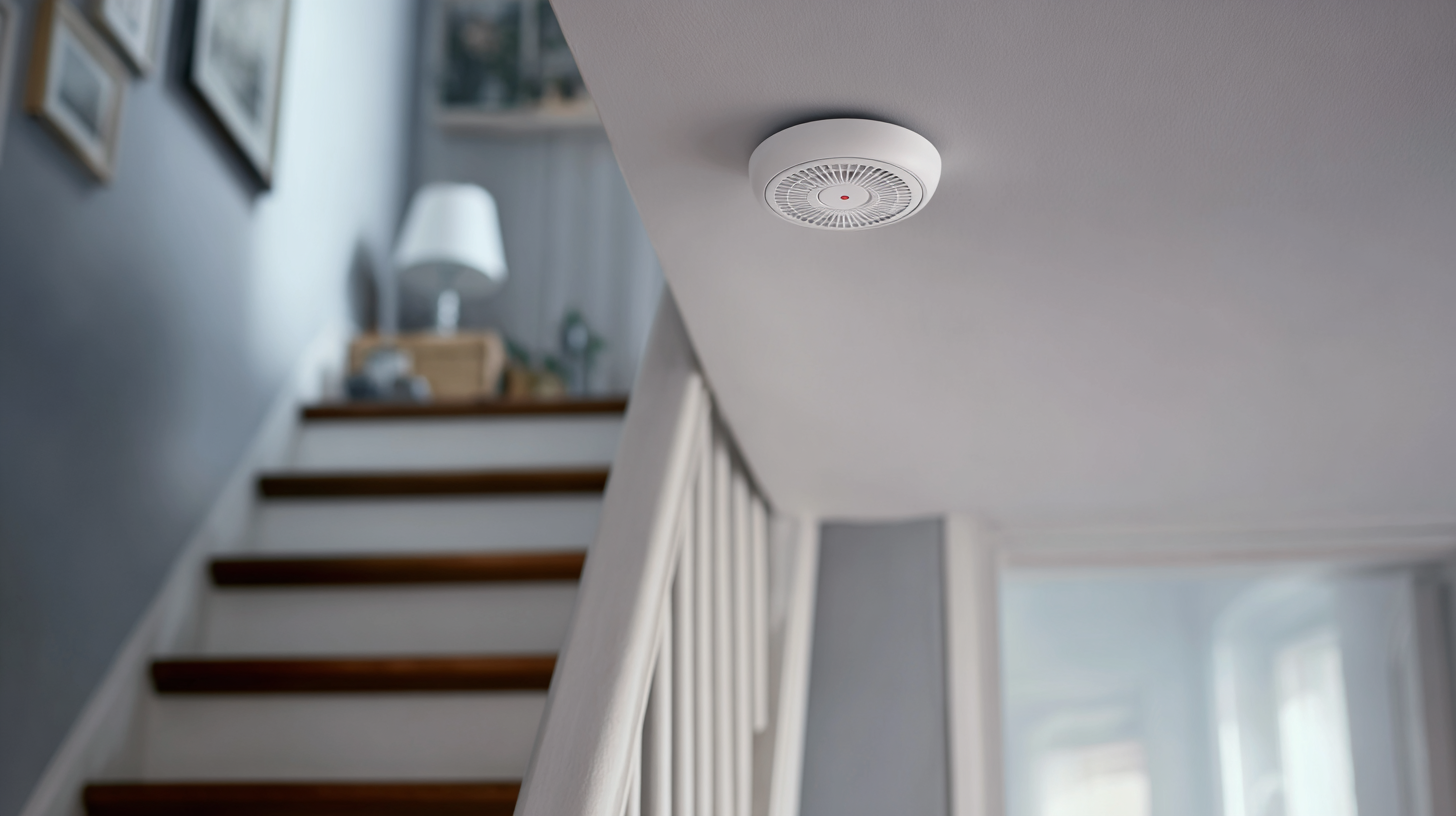
On the flip side, wireless alarms are gaining popularity for all the right reasons. They're a lot easier to install — no messy wiring, which means you can put them pretty much anywhere, even in tricky spots. Some of the newer models even come with fancy features, like cloud connectivity, so you can check their status from your phone if you want. That said, with so many brands and tech standards popping up, it can feel kind of overwhelming trying to figure out what’s what. But here’s the good news: competition is pushing prices down, making it easier and more affordable for folks to get a reliable smoke detection system.
And hey, as Daylight Saving Time rolls around, it’s a good nudge to give your alarms a quick check — make sure they’re working properly and ready for the season change. Better safe than sorry, right?
Integrating Smoke Alarms with Other Home Safety Devices
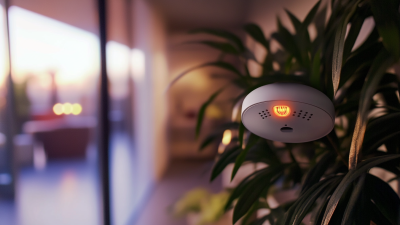
So, when you're thinking about connecting your smoke alarms with other safety gadgets around the house, it really helps to know how they can all work together to keep you safer. According to the NFPA, almost 60% of fire deaths happen in homes where the smoke alarms aren’t working properly. Honestly, combining smoke detectors with things like carbon monoxide sensors and smart home tech can create a pretty solid safety net. For example, if your smoke and CO detectors are linked up, they can shout out alerts at the same time if something’s wrong — which means you get a full picture of the danger and can react faster.
Plus, hooking up your smoke alarm with smart home devices takes safety to the next level. You can get real-time updates and even check in remotely—pretty handy, right? The Consumer Electronics Association mentioned that about 30% of homes now have some kind of smart home tech, often with smoke detection features built in. These systems can ping your phone if something’s up, even if you’re not home, so you’re always in the loop. And some smart smoke alarms can even call emergency services for you if needed—that’s a game-changer when it comes to responding quickly during a fire.
Enhancing Safety: Insights from Industry Reports on the Role of OEM Supply Conventional Fire Alarm Control Panels and Manual Call Points
Enhancing safety in commercial and residential spaces has become increasingly vital, and recent industry reports highlight the significant role that OEM supply conventional fire alarm control panels and manual call points play in this endeavor. These systems are not just compliant with safety standards; they are essential components that ensure swift emergency response during critical situations. The reliability of these panels makes them a preferred choice for many businesses, enabling quick detection and alarm activation that can save lives and reduce property damage.
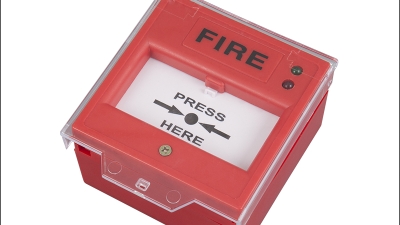
The integration of manual call points within a fire alarm system enhances user accessibility and awareness. These call points are strategically placed throughout facilities, allowing anyone to trigger an alarm at the first sign of fire, which is crucial for minimizing response time. Recent assessments underscore their importance in creating a culture of safety, where individuals are encouraged to report emergencies without hesitation. As industries evolve, reinforcing these aspects within safety protocols and training can significantly improve overall preparedness and risk management.
By investing in high-quality OEM supply products, organizations can ensure their fire safety systems are robust and dependable. This is essential not only for compliance with regulations but also for fostering trust among employees and customers alike. With the right components in place, businesses can create a safer environment that stands ready for the unexpected, enhancing their overall safety infrastructure and resilience.
FAQS
: You should look for smoke detectors that utilize photoelectric technology, as they are highly sensitive to smoldering fires and can provide an earlier warning compared to traditional ionization alarms.
Addressable emergency lights and exit signs are important because they illuminate escape routes during a fire, helping you and your family navigate safely.
Heat detectors offer extra protection in areas prone to temperature fluctuations, adding another layer of safety to your smoke alarm system.
The number of smoke alarms needed depends on your home’s size, the number of floors, and the presence of sleeping areas. Larger homes may require multiple detectors, while smaller ones might need just one.
Yes, it’s important to consider specific risks, such as the presence of a fireplace or gas appliances, which may require additional detectors for smoke and carbon monoxide.
Interconnected smoke alarms benefit families by providing alerts throughout the house, ensuring that everyone is notified in case of an emergency, especially for households with young children or elderly members.
Conclusion
Picking the right smoke alarm system is super important if you want to keep your home safe. It’s a good idea to understand the different types out there—stuff like photoelectric alarms and heat detectors—so you can choose what really fits your situation. When shopping around, keep an eye out for features like sensitivity, how easy it is to install, and what kind of maintenance it needs. Also, think about your home's specific safety needs—whether a wired setup or a wireless system makes more sense for you.
Getting it installed properly and doing regular check-ups is key to keeping everything working right. And if you can, try to connect your smoke alarms with other safety gadgets; it just boosts your overall home security. Here at Yuyao Lixin Electronics, we have a bunch of fire and security electronics, including some pretty reliable photoelectric smoke detectors. Our goal? To give you the peace of mind knowing your home and loved ones are well-protected.