 Hey there! So, when it comes to security technology, getting a grip on compliance issues related to Door Security Sensorsis super important, not just for manufacturers but also for everyday consumers. You know, recent market studies indicate that the global door Security Systems market is on track to hit a whopping$18.8 billion by 2026. That really shows just how much people are prioritizing strong security measures, whether it’s for their homes or businesses.
Take Yuyao Lixin Electronics Co., Ltd. as an example; they're a big player in the fire and security electronics world, and they’re all about innovation and safety. Their product line includes some pretty advanced security solutions. With security breaches on the rise and tougher regulations coming into play, making sure your Door Security Sensors meet compliance standards is more important than ever. It’s all about keeping everything and everyone safe from unauthorized access!
In this blog, we're going to dive into the nitty-gritty of compliance issues with these crucial security devices and chat about why picking the right ones is essential for protecting what matters most to you.
Exploring the Compliance Landscape for Door Security Sensors in 2023
Alright, so as we take a deeper look at the whole door security sensorscene in 2023, it’s pretty obvious that keeping up with the latest rules and regulations is super important for both manufacturers and users. Technology is cHanging fast, right? And you know what? The standards for security sensors are changing too. We need to make sure these products not only provide solid security but also meet those crucial legal and safety requirements. Following industry rules from organizations like theFCC and NIST is really the backbone of building trust with consumers and businesses alike.
And here’s the thing: if you really get how compliance affects door security sensors, it can totally shape how products are designed and how they work. This year, manufacturers have to deal with things like data protection and privacy laws, especially since smart tech is becoming a big part of security systems. When sensors are connected to the internet, they often come under the microscope for how they handle data. So, it's pretty essential for companies to set up strong security measures and ensure their user agreements are crystal clear to comply with laws like the GDPR. By really focusing on compliance, the industry can give users peace of mind about the effectiveness and reliability of their door security solutions.
Key Regulatory Standards Impacting Door Security Sensor Technology
When it comes to the door security sensor technology industry, understanding key regulatory standards is essential for compliance and effective security management. In the United States, the National Institute of Standards and Technology (NIST) sets forth crucial guidelines that impact the development and deployment of security sensors. Their report from 2021 highlights the importance of adhering to stringent security protocols to prevent unauthorized access and ensure the safety of physical locations. This compliance not only protects assets but also contributes to an organization's overall risk management strategy.
Additionally, European standards such as the General Data Protection Regulation (GDPR) significantly influence the design of door security systems, particularly in how data from sensors is collected, stored, and processed. According to a 2022 industry analysis by the Security Industry Association (SIA), compliance with GDPR can increase the complexity of sensor technology integration but ultimately leads to more robust security solutions. Companies that prioritize these regulatory standards find themselves not only meeting the legal requirements but also enhancing their operational efficiency and customer trust through transparent and secure practices.
Understanding Compliance Issues with Best Door Security Sensor in the Industry - Key Regulatory Standards Impacting Door Security Sensor Technology
| Dimension | Description | Relevant Standards | Compliance Level |
| Data Security | Protection of data collected by door sensors | GDPR, CCPA | High |
| Hardware Standards | Compliance with industry hardware requirements | UL 294, EN 60950 | Medium |
| Installation Procedures | Guidelines for proper sensor installation | NEC, NFPA 70 | High |
| User Privacy | Ensuring user privacy in sensor data processing | HIPAA (for health-related applications) | Medium |
| Environmental Compliance | Adherence to environmental regulations | RoHS, WEEE | High |
Evaluating the Effectiveness of Best Door Security Sensors Against Break-ins
Door security sensors play a crucial role in safeguarding homes and businesses from break-ins. Evaluating their effectiveness involves understanding the different types of sensors available in the market and how they can deter potential intruders. The best door security sensors utilize advanced technology such as motion detection, laser beams, and integration with alarm systems to provide real-time alerts. As a leader in fire and security electronics, Yuyao Lixin Electronics Co., Ltd. offers innovative products designed to enhance safety, ensuring that customers are equipped with reliable security solutions.
Tip: When selecting a door security sensor, consider a model that allows for easy integration with existing security systems for heightened protection. Additionally, look for sensors equipped with features like automatic notifications and remote monitoring to stay informed about potential security breaches.
Moreover, understanding compliance issues with these security devices is vital. Ensuring that the selected sensors meet local safety regulations not only boosts their efficiency but also guarantees peace of mind. At Yuyao Lixin Electronics Co., Ltd., our commitment to quality ensures that all products, including door security sensors, adhere to industry standards, enabling users to protect their properties effectively.
Tip: Regularly test and maintain your door security sensors to ensure they are functioning correctly. A proactive approach can greatly enhance the efficiency of your security system against break-ins.
Industry Data Trends: How Compliance Influences Security Sensor Innovation
You know, the security sensor market is really changing every day, and compliance issues are a big deal when it comes to driving these innovations. From what I've seen in industry data, manufacturers are really stepping up their game by making sure their designs align with regulatory standards. This isn't just about checking boxes; it builds trust with consumers and pushes companies to create sensors that are not only efficient but can handle different environments too.
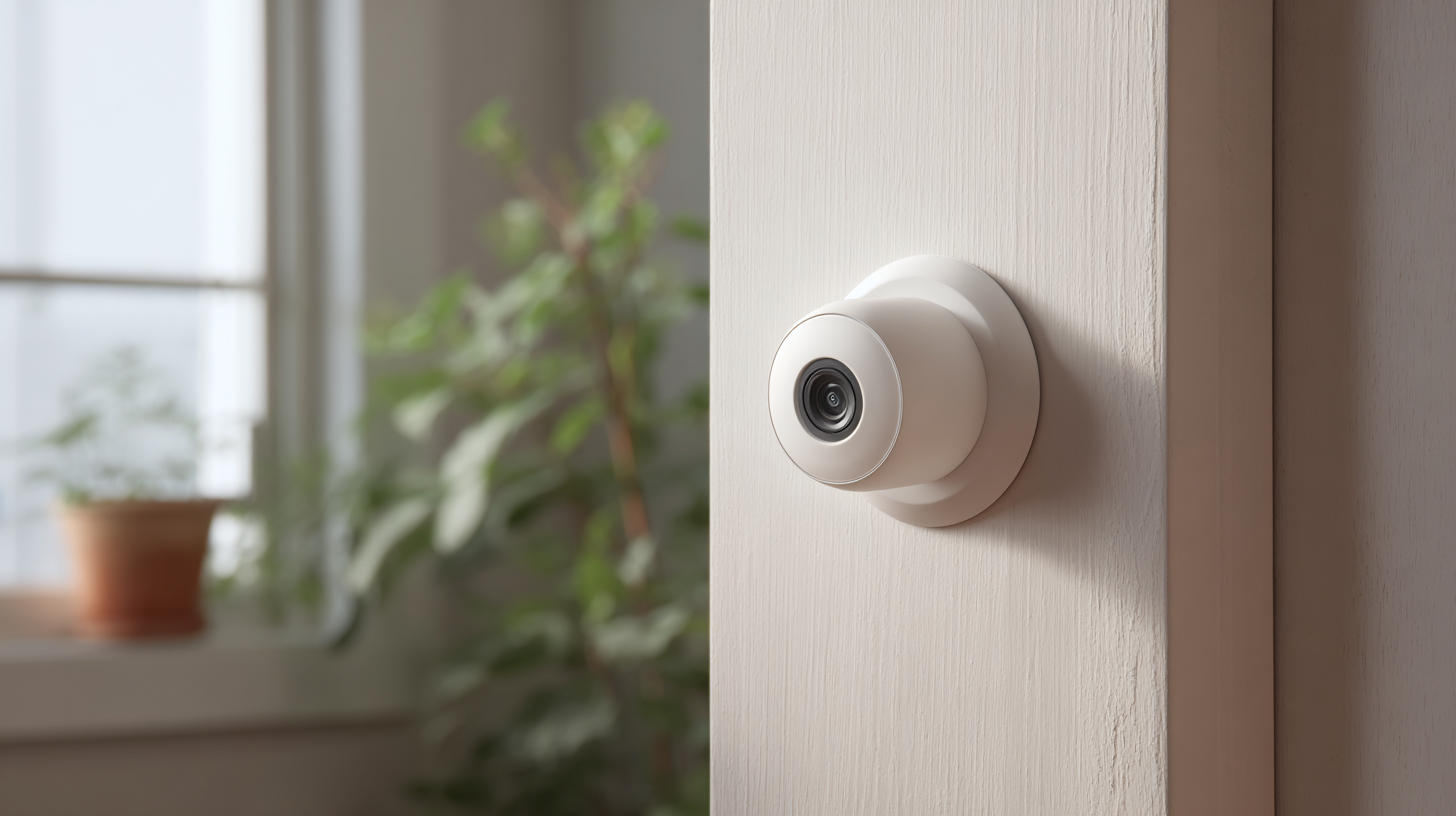
So, if you're on the hunt for a door security sensor, here are a few tips to keep in mind. First off, make sure the sensor you're looking at meets the safety standards and certifications that apply in your area. You don’t want to overlook this! Secondly, keep your ear to the ground about new tech—like those energy-efficient sensors that can cut down on maintenance time. This is super important for compliance and overall performance. And lastly, don’t forget to regularly update your systems. Incorporating the latest tech will not only help you stay compliant but also give you solid protection against any potential threats that might come your way.
With everything shifting so fast in the global security scene, paying attention to compliance trends can really open your eyes to what’s coming next and make for a safer place overall.
The Role of Technology Integration in Enhancing Compliance for Security Sensors
Hey there! In today’s fast-changing world of security, using advanced technology is super important for keeping door security sensors compliant. With all the new regulations and standards popping up, businesses really need to find security solutions that not only meet these legal requirements but also deliver solid performance. By integrating tech, sensors can easily connect with management systems, which means real-time monitoring and reporting of compliance metrics become a breeze.
And let’s not forget the benefits that come along with smart technologies like IoT and AI. These innovations can really up your game when it comes to managing compliance. They help automate data collection, making those compliance audits a whole lot more accurate and trustworthy. For example, you can set up automated alerts that buzz the operators if something goes off track with security protocols. This way, they can jump on any needed corrective actions super fast. Ultimately, this approach not only helps organizations stay ahead in compliance but also strengthens their overall security game. As the industry keeps evolving, it’s clear that embracing tech integration isn’t just a nice-to-have—it’s a must for achieving compliance and really nailing operational excellence in security management!
Case Studies: Successful Compliance Implementation in Door Security Systems
You know, in today's fast-changing security world, making sure you comply with industry standards is super important when it comes to setting up door security sensors. There are some really interesting case studies out there that show how different organizations have tackled compliance challenges while boosting their security game. Take, for instance, a popular retail chain that rolled out a comprehensive door security system. Not only did it tick all the boxes for regulatory requirements, but it also made things safer for customers and smoothed out their operations.
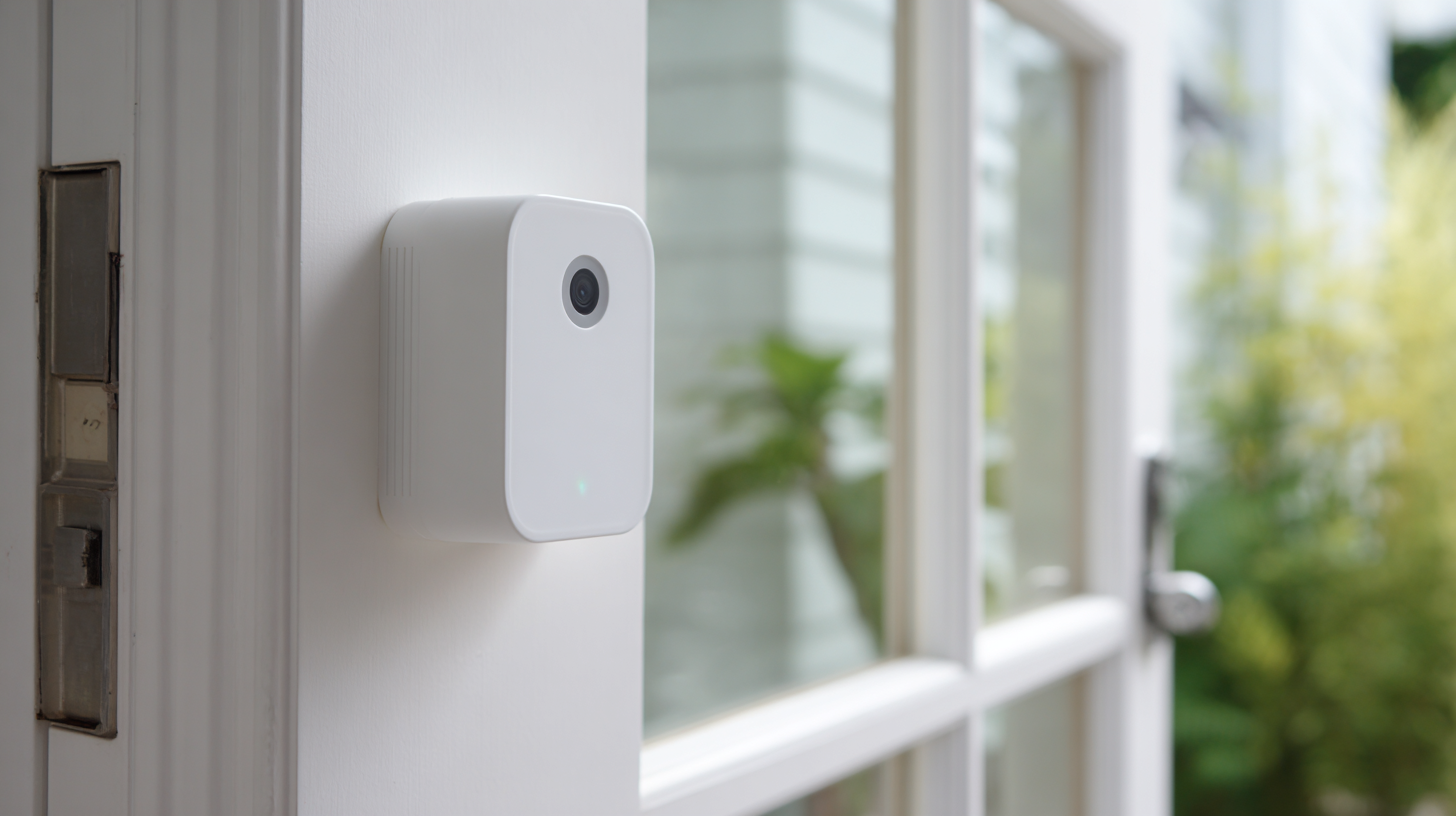
A solid tip for companies is to regularly check in on their compliance audits for security systems. By spotting any gaps or areas that could use some TLC, businesses can keep their door security sensors up to snuff. Another thing to keep in mind is teaming up with tech partners who really prioritize compliance in what they create. This can help a lot in dodging any potential regulatory hiccups, letting businesses focus more on what they do best.
And let’s not forget about training! Incorporating some training programs for staff on compliance protocols related to door security is a great way to boost the efficacy of the systems you've got in place. When your employees are well-informed, they can spot potential issues and truly understand why sticking to compliance guidelines is key — and it all feeds back into strengthening the organization’s overall security.
Ensuring Safety and Efficiency with the Lxine Automatic Door Safety Sensor and LX-623L LED Emergency Lighting
In today's fast-paced environments, ensuring both safety and efficiency is essential, especially in commercial spaces. The Lxine Automatic Door Safety Sensor plays a pivotal role in maintaining safe entry and exit points. This advanced sensor detects approaching individuals, automatically opening doors to prevent collisions and enhance convenience. Its reliability not only ensures smooth traffic flow but also significantly reduces the risk of injuries associated with manual door operations. With a keen focus on user safety, the Lxine sensor is an indispensable addition to any building’s infrastructure.
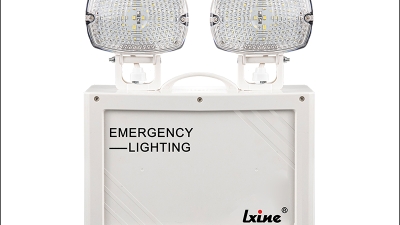
Complementing the automatic door safety feature, the LX-623L LED Emergency Lighting system provides an added layer of security. In the event of a power failure or emergency situation, the LX-623L activates promptly, illuminating pathways and exits to guide occupants safely out of the building. Its efficient LED technology ensures long-lasting performance, making it an economically sound investment that enhances preparedness. With these products working in unison, businesses can create a safer environment for both employees and visitors, effectively meeting modern safety standards while optimizing operational efficiency.
FAQS
: Door security sensors are devices designed to detect unauthorized entry, playing a crucial role in safeguarding homes and businesses from break-ins by providing real-time alerts and deterring potential intruders.
The best door security sensors utilize advanced technologies such as motion detection, laser beams, and integration with alarm systems to enhance their effectiveness against break-ins.
To ensure compliance, verify that your chosen sensor meets the relevant safety standards and certifications in your region, and stay informed about emerging technologies and regulations.
When selecting a door security sensor, consider ease of integration with existing security systems, features like automatic notifications and remote monitoring, and compliance with local safety regulations.
Regular testing and maintenance are essential to ensure door security sensors are functioning correctly, thereby greatly enhancing the overall efficiency of your security system against break-ins.
Compliance is critical in shaping innovations in the security sensor market, as manufacturers align their designs with regulatory standards to ensure safety, reliability, and drive technological advancements.
Organizations can navigate compliance challenges by conducting regular audits of their security systems, engaging with compliant technology partners, and integrating training programs for staff on compliance protocols.
A comprehensive door security system can improve customer safety, enhance operational efficiency, and ensure adherence to regulatory requirements, thus providing a safer environment for both employees and customers.
Staying updated with technological advancements allows users to integrate the latest innovations, ensuring that security measures remain effective and compliant with current standards.
Employee training on compliance protocols related to door security can enhance the effectiveness of implemented systems, as educated employees can identify potential issues and understand the importance of adhering to guidelines.