When it comes to keeping folks safe in busy commercial or public spaces, one thing you really don’t want to overlook is the Illuminated Exit Sign. I talked to safety expert John Smith, CEO of Safety First Solutions, and he said, “An illuminated exit sign isn’t just a box you check off for rules — it’s a crucial part of the safety puzzle that helps guide people out quickly when time’s running out.” Picking the right exit sign can actually make a big difference during emergencies, preventing chaos and avoiding panic situations.
These signs are made to be super visible even in the worst lighting conditions, so they’re especially important in buildings with tricky layouts or areas that sometimes lose power. But with so many options out there, it can get pretty overwhelming trying to figure out what’s best for your space. That’s why understanding things like brightness, how far people can see the sign, and making sure it meets local safety codes is key to making a smart choice.
In this article, I’m going to walk you through some helpful tips for choosing the perfect illuminated exit sign for your needs. We’ll cover everything from standards on how bright they should be, to what power source works best, and how to install them properly. My goal is to give you the knowledge you need so you can be confident that your safety measures are solid. Making sure your place has good exit signs isn’t just about following rules — it’s about genuinely making sure everyone gets out safe when it really counts.
Understanding Illuminated Exit Signs and Their Importance
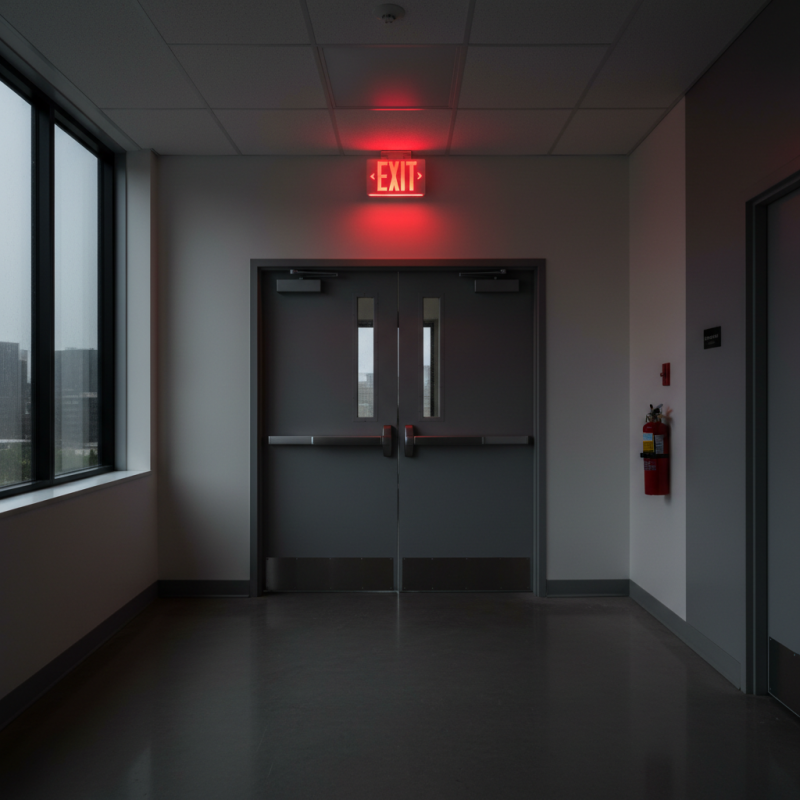
Illuminated exit signs are crucial components of safety signage, providing essential guidance during emergencies. These signs are typically equipped with bright, energy-efficient LED lights that ensure visibility even in low-light or smoky conditions. Their primary function is to lead individuals to safety exits quickly, which can be a lifesaver in situations where every second counts. Understanding their importance not only aids in compliance with safety regulations but also enhances overall safety within buildings.
Selecting the right illuminated exit sign involves considering various factors such as brightness, visibility distance, and placement. The signage should be easily recognizable from a distance and designed to withstand environmental challenges. Moreover, understanding local building codes and requirements is vital, as these can dictate specific features such as the use of Green lighting or additional directional arrows. By focusing on these aspects, individuals and organizations can ensure that theirilluminated exit signs meet safety needs effectively while promoting a secure environment for all occupants.
Key Features to Look for in Illuminated Exit Signs
When selecting an illuminated exit sign for safety needs, several key features should be carefully considered to ensure maximum visibility and reliability. First and foremost, brightness is crucial; the sign should emit a strong light that can be easily seen from a distance, even in low-light conditions. Opt for signs that use LED technology, as they not only provide bright illumination but also consume less energy and have a longer lifespan compared to traditional incandescent bulbs. Furthermore, ensure that the sign has an adequate viewing distance, typically thirty feet or more, to guarantee visibility in emergencies.
Additionally, the design and durability of the exit sign are essential elements to reflect upon. A sign constructed from high-quality materials that can withstand environmental challenges, such as moisture and extreme temperatures, will ensure longevity. The mounting options should also be versatile, allowing for both wall and ceiling installation, which can be beneficial depending on your building’s layout. Lastly, consider integrated features such as backup battery systems that provide illumination during power outages, ensuring safety at all times. By paying attention to these key features, you can choose an illuminated exit sign that meets your safety needs effectively.
Different Types of Illuminated Exit Signs Explained
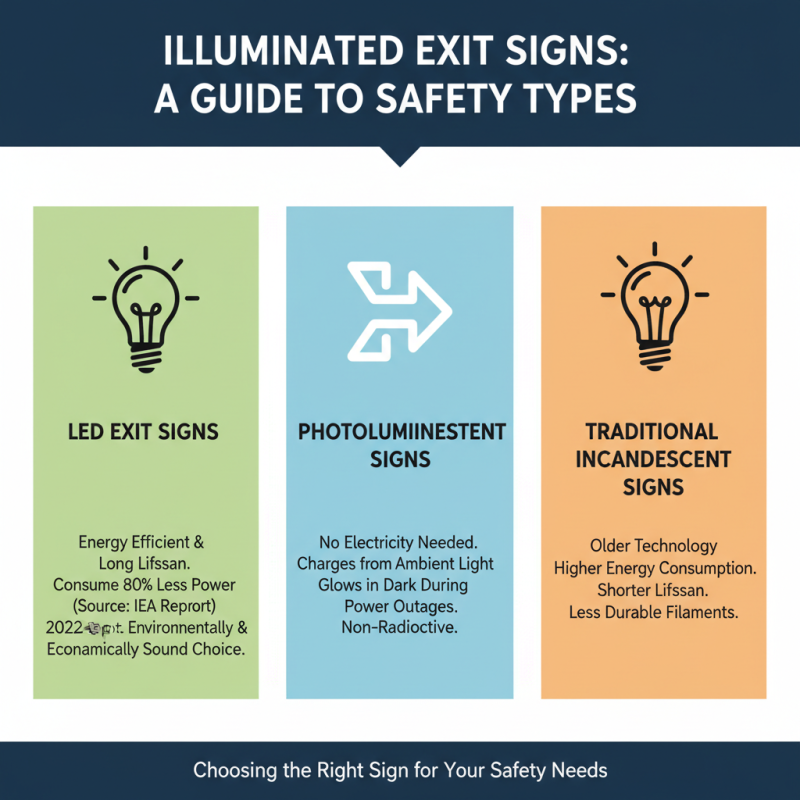
When choosing an illuminated exit sign, it's essential to understand the different types available, as each serves specific safety needs. The most common types include LED, photoluminescent, and traditional incandescent signs. LED exit signs are favored for their energy efficiency and longevity, consuming only a fraction of the power compared to incandescent models. According to a 2022 report by the International Energy Agency, transitioning to LED lighting can reduce energy consumption by up to 80%, making them an environmentally and economically sound choice for safety signage.
Photoluminescent exit signs offer a unique advantage in that they do not require electricity to function. These signs absorb ambient light and glow in the dark, ensuring visibility during power outages or emergencies. The National Fire Protection Association (NFPA) emphasizes the importance of these signs in high-risk environments where visibility is crucial, as they provide a reliable alternative when traditional electrical signs may fail. Additionally, the durability of photoluminescent materials enhances their effectiveness in various settings, ranging from commercial buildings to public transport facilities.
Traditional incandescent exit signs, while still used in some applications, are becoming less common due to their higher energy consumption and shorter lifespan. Research from the U.S. Department of Energy indicates that replacement cycles for these signs are significantly more frequent compared to modern LED and photoluminescent options. Understanding these differences is key to making an informed choice that not only complies with safety regulations but also meets the specific needs of your environment, ensuring safe evacuation routes are clearly marked at all times.
Factors to Consider for Your Safety Needs
When selecting an illuminated exit sign, several key factors come into play to ensure it meets your safety needs. First, consider the brightness and visibility of the sign. The illumination should be sufficient to be easily seen in various lighting conditions, including during power outages or smoke-filled environments. Look for signs that have energy-efficient LED lights, which not only ensure longer life spans but also provide enhanced visibility. Furthermore, understanding the specific regulations applicable in your area can guide you in choosing a compliant sign that meets local fire safety codes.
Another important factor is the placement and installation of the exit sign. It is crucial to place the sign at eye level and in locations where it can be easily located in an emergency. Consider the layout of the building and potential obstacles that could obstruct visibility. Additionally, the design of the sign should be simple and universally recognized, often using clear symbols or text that convey the message effectively. Assessing these aspects will enhance overall safety and ensure that occupants can rapidly identify exits when needed.
Regulatory Standards for Exit Signs and Compliance
When selecting illuminated exit signs, understanding regulatory standards and compliance is crucial to ensuring safety in any building. The National Fire Protection Association (NFPA) and the Occupational Safety and Health Administration (OSHA) set forth guidelines that mandate exit signs to be clearly visible and illuminated at all times. According to NFPA 101, "Life Safety Code," exit signs must be placed in locations where they are easily seen, particularly in areas where obstructions may hinder visibility. Ensuring that exit signs are compliant with these standards not only enhances the safety of occupants but also insulates businesses from potential legal liabilities.
In addition to visibility, illuminated exit signs must also comply with specific luminosity requirements. The American National Standards Institute (ANSI) dictates that illuminated exit signs should have a minimum brightness of 5 foot-candles for clear visibility in low-light conditions. This is critical in emergency situations when lighting may be compromised. Reports indicate that properly installed illuminated exit signs can reduce evacuation times by up to 50%, highlighting the importance of adhering to these regulations. By understanding and implementing these standards, organizations can greatly improve overall safety and responsiveness in emergencies.
Installation and Maintenance Tips for Illuminated Exit Signs
When it comes to ensuring safety in commercial buildings, the installation and maintenance of illuminated exit signs are crucial components. Research indicates that properly illuminated exit signs can enhance visibility by up to 40% in low-light conditions, drastically improving egress in emergencies (National Fire Protection Association). Therefore, it is vital to position these signs at key evacuation routes and ensure they are mounted at appropriate heights, typically 80 inches above the floor, to maximize visibility without obstruction.
Maintenance of illuminated exit signs should not be overlooked. Regular inspections are recommended—at least once a month—to check for any discrepancies such as dim lighting or damage. According to the U.S. Occupational Safety and Health Administration (OSHA), any malfunctioning exit sign should be repaired or replaced immediately to comply with safety regulations and to prevent dangerous situations during emergencies. Additionally, many models come equipped with a battery backup system that should be tested at least twice a year to guarantee functionality during power outages. By adhering to these installation and maintenance practices, facility managers can ensure that illuminated exit signs effectively fulfill their role in emergency preparedness.
Common Mistakes to Avoid When Choosing Exit Signs
When selecting illuminated exit signs, it's crucial to avoid common pitfalls that can compromise safety and compliance. A frequent mistake is overlooking local building codes and regulations. Each jurisdiction may have specific requirements regarding the placement, visibility, and functionality of exit signs. Not adhering to these codes can lead to legal issues and, more importantly, jeopardize the safety of occupants during an emergency.
Another common error is focusing solely on aesthetics rather than functionality. While it may be tempting to choose an exit sign based on its design or color, the primary function is to provide clear and immediate visibility in low-light conditions. Ensure that the sign you select offers high luminance and clarity, making it easy to identify even in an emergency. Additionally, consider the longevity of the light source, as reliable, long-lasting illumination can make a critical difference during power outages.
Lastly, neglecting to test the sign regularly can lead to unforeseen issues. Many people assume that illuminated signs will always function correctly, but routine checks are necessary to ensure that the lights are operational and that the signage remains visible. Incorporating regular maintenance checks into your safety protocol will help prevent any surprises when they are most needed, ensuring a safer environment for everyone.
FAQS
: Illuminated exit signs are safety signage equipped with bright, energy-efficient LED lights designed to provide guidance to individuals during emergencies, ensuring visibility even in low-light or smoky conditions.
They are crucial for leading people to safety exits quickly during emergencies, which can be vital for saving lives. They also help in compliance with safety regulations and enhance overall safety within buildings.
Important factors include brightness, visibility distance, and placement. The signs should be easily recognizable from a distance and able to withstand environmental challenges.
Local building codes may dictate specific features of exit signs, such as the type of lighting used (e.g., green lighting) and whether additional directional arrows are needed for better guidance.
Illuminated exit signs should typically be mounted at a height of 80 inches above the floor to maximize visibility without obstruction.
Regular inspections of illuminated exit signs are recommended at least once a month to check for issues such as dim lighting or physical damage.
According to safety regulations, any malfunctioning exit sign should be repaired or replaced immediately to prevent dangerous situations during emergencies.
The battery backup system should be tested at least twice a year to ensure it functions properly during power outages.
Properly illuminated exit signs can enhance visibility by up to 40% in low-light conditions, significantly improving evacuation during emergencies.
Exit signs should be strategically placed at key evacuation routes to ensure that they are readily visible and guide occupants to safety efficiently.
Conclusion
When selecting an illuminated exit sign, it's essential to understand their critical role in ensuring safety during emergencies. Illuminated exit signs guide individuals to safety with visibility in low-light conditions, making key features such as brightness, durability, and compliance with regulatory standards crucial. Familiarizing yourself with the different types of illuminated exit signs—such as LED models or photoluminescent options—can help you determine which best suits your specific needs.
Furthermore, considering factors like installation requirements and regular maintenance practices can enhance the effectiveness of these signs. It's also important to avoid common mistakes, such as choosing aesthetically pleasing options that may not meet safety standards. By taking these aspects into account, you can ensure that your choice of illuminated exit sign will provide reliable performance and contribute positively to your overall safety strategy.