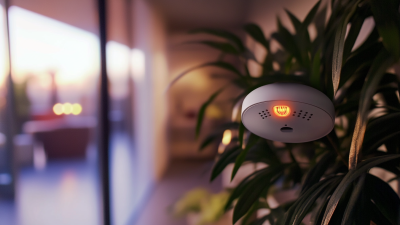
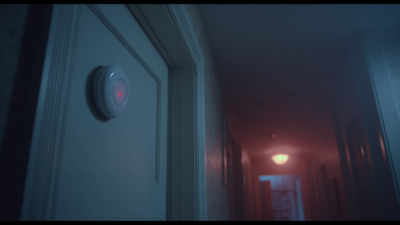
Fire Smoke Alarms are seriously a game-changer when it comes to keeping your home safe. They give you that early warning if smoke or fire is starting, which can be a real lifesaver. As fire safety expert John Smith puts it, ‘Installing fire smoke alarms is one of those simple steps that make a huge difference in protecting your family and your stuff.’ These little devices act as your first line of defense—they can wake you up even while you're snoozing, giving you precious moments to get out or deal with the situation.
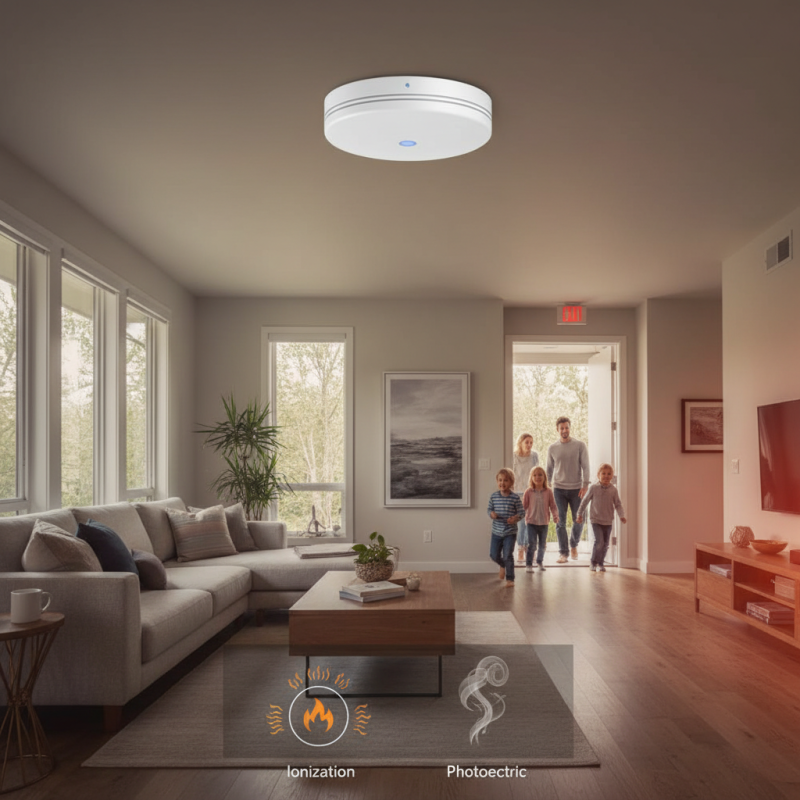
If you wanna get the most out of your fire alarms, it helps to understand how they work. Most use either ionization or photoelectric sensors. Ionization alarms are pretty quick to trigger when flames are active, while photoelectric ones are better at catching smoky, smoldering fires. Having a mix of both types around the house is a smart move—it totally boosts your chances of catching fires early. And with all the tech developments happening in home safety, keeping up with the latest fire alarm features is a good idea—more innovation means better protection for you and your loved ones.
What is a Fire Smoke Alarm?
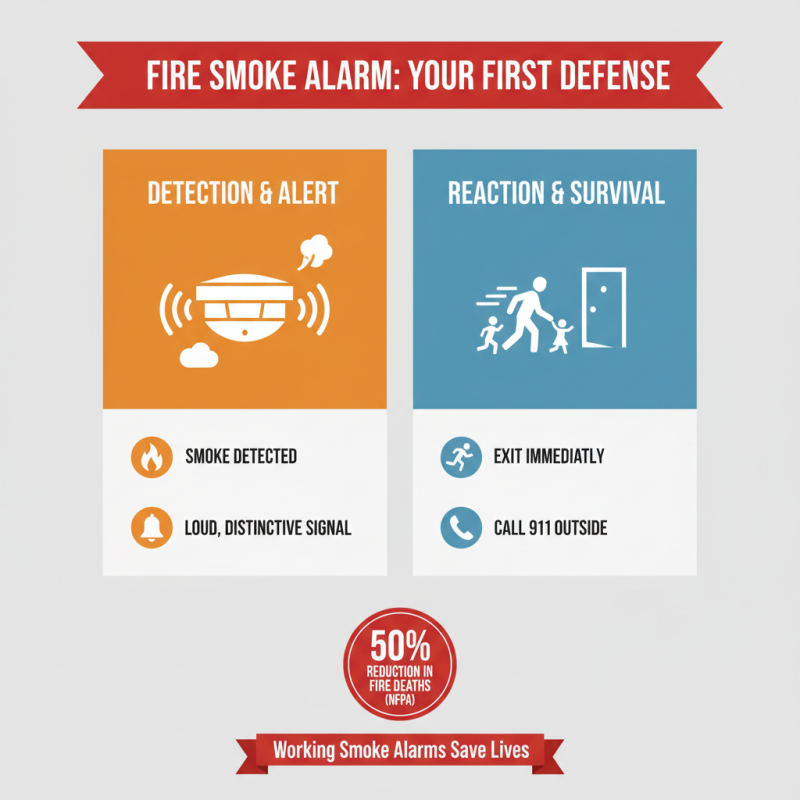
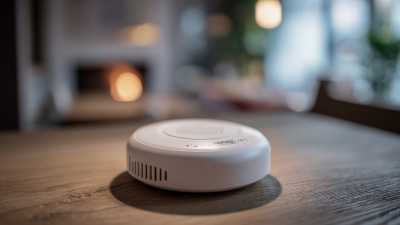
A fire smoke alarm is a critical device designed to detect the presence of smoke as an early indicator of fire in residential spaces. These alarms utilize either ionization or photoelectric sensing technologies to identify smoke particles in the air. According to the National Fire Protection Association (NFPA), having working smoke alarms can cut the chances of dying in a reported fire by 50%. This statistic emphasizes the importance of installing these alarms in homes, as they provide vital seconds to escape during a fire emergency.
Regular maintenance is essential for smoke alarms to function correctly. It is recommended that homeowners test their smoke alarms monthly and replace the batteries at least once a year. Additionally, smoke alarms should be replaced entirely every 10 years, as they can become less effective over time. For best results, install smoke alarms in every sleeping area, outside each separate sleeping area, and on every level of the home, including the basement.
Tips: Ensure that your smoke alarms are interconnected if possible, so when one alarm sounds, they all do. This way, you'll be alerted of potential danger no matter where you are in the house. Also, consider using a smoke alarm with a non-replaceable battery that lasts up to 10 years, simplifying maintenance and providing peace of mind.
The Importance of Smoke Alarms for Home Safety
Smoke alarms play an essential role in enhancing home safety by providing early detection of fires, which can significantly Reduce the risk of injury or death. These devices operate by sensing smoke particles in the air, triggering an audible alarm that alerts occupants to potential danger. The importance of smoke alarms cannot be overstated, as they serve as a critical line of defense against the devastating effects of fire. Studies have shown that homes equipped with functioning smoke alarms are twice as likely to survive a fire without injury.
In addition to their life-saving capabilities, smoke alarms promote timely action, giving families the chance to evacuate safely and contact emergency services. Regular maintenance and testing of these devices are crucial, ensuring they function correctly when needed most. Installing smoke alarms in strategic locations throughout the home, such as in bedrooms and hallways, maximizes their effectiveness. By prioritizing the installation and upkeep of smoke alarms, homeowners take an essential step towards safeguarding not just their property, but the lives of their loved ones.
How Fire Smoke Alarms Detect Smoke and Fire
Fire smoke alarms are essential devices designed to detect smoke and fire in residential environments, playing a critical role in home safety. These alarms utilize advanced sensing technologies to identify the presence of smoke particles in the air. There are two primary types of smoke detection methods: ionization and photoelectric. Ionization smoke alarms are highly sensitive to fast-burning fires, while photoelectric alarms are more effective for smoldering fires. Many modern alarms combine both technologies to provide comprehensive coverage, ensuring timely alerts can be issued when danger is imminent.
To enhance the effectiveness of your smoke alarm system, it’s important to follow these tips. First, install smoke alarms on every level of your home, including the basement and inside each bedroom. Regularly test the alarms—at least once a month—to ensure they’re functioning correctly, and replace the batteries at least once a year. Additionally, replace smoke alarms every 10 years or according to the manufacturer’s recommendations, as aging units may fail to operate properly in an emergency.
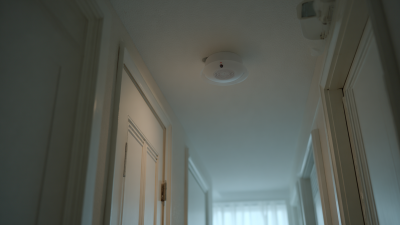
Another critical aspect of maintaining home safety is proper placement. Avoid installing smoke alarms in areas directly adjacent to kitchens or bathrooms, where steam and cooking smoke can lead to false alarms. Instead, place them in hallways and common areas to ensure they can detect smoke early without unnecessary interruptions. Taking these steps can significantly improve your home’s fire safety preparedness.
Types of Fire Smoke Alarms: Ionization vs. Photoelectric
When it comes to enhancing home safety, understanding the different types of fire smoke alarms is crucial. The two main types are ionization and photoelectric smoke alarms, each utilizing distinct technologies to detect smoke and fire. Ionization smoke alarms are particularly effective at detecting fast-flaming fires. They work by using a small amount of radioactive material to ionize air in the sensing chamber. When smoke enters this chamber, it disrupts the flow of ions, triggering the alarm. This type of alarm is generally more responsive to flaming fires, making it suitable for areas where such risks are prevalent.
On the other hand, photoelectric smoke alarms excel at detecting smoldering fires. They operate by using a light source aimed at a sensor within the device. When smoke enters the chamber, it scatters the light beam, causing the sensor to alert the alarm. This type of smoke alarm is more sensitive to larger, slow-burning fires, which can produce significant smoke before igniting into flames. Given these differences, homeowners may choose to install both types of smoke alarms to achieve comprehensive fire detection and enhance their overall safety.
Placement Guidelines for Optimal Smoke Alarm Functionality
When it comes to the optimal functionality of smoke alarms, proper placement is paramount. Smoke alarms should be installed in every bedroom and on every level of the home, including the basement. This ensures that alarms are positioned close to sleeping areas, allowing occupants to be alerted in case of a fire during the night. It's also advisable to place alarms in hallways that connect to bedrooms, as this minimizes the distance between the alarm and those sleeping.
In addition to bedrooms and hallways, smoke alarms should be installed in common areas such as living rooms and dining rooms, where fire hazards may be present. However, it's crucial to avoid placing smoke alarms too close to kitchens, as cooking activities can trigger false alarms. The ideal distance from cooking appliances is at least ten feet. Side rooms and areas with high ceilings may require special considerations, such as placing alarms on the wall rather than the ceiling to ensure that they operate effectively in detecting smoke. Regular testing and maintenance after installation will help ensure that these critical safety devices function optimally.
Regular Maintenance and Testing of Smoke Alarms
Regular maintenance and testing of smoke alarms and testing of smoke alarms are crucial components of home safety. According to the National Fire Protection Association (NFPA), working smoke alarms can reduce the risk of dying in a reported fire by 50%. Despite this, an estimated 20% of smoke alarms are not functioning due to dead or missing batteries. This statistic highlights the need for homeowners to regularly check and maintain their smoke alarms to ensure effective operation when it matters most.
Testing smoke alarms should be done monthly, while batteries should ideally be replaced at least once a year. The NFPA recommends that smoke alarms be replaced every ten years, as their components can degrade over time, leading to diminished performance. Furthermore, placing alarms in key areas, such as outside sleeping areas and on every level of the home, significantly improves the safety of residents.
Regular maintenance not only ensures compliance with safety standards but also fosters a safer living environment, ultimately saving lives in the event of a fire emergency.
Understanding Alarm Signals and What to Do When It Sounds
Fire smoke alarms are essential devices for ensuring home safety, acting as the first line of defense against the dangers of fire. When smoke is detected, these alarms emit distinctive signals that alert occupants to the threat. The National Fire Protection Association (NFPA) reports that working smoke alarms can reduce the risk of dying in a reported fire by 50%. Understanding these alarm signals and knowing how to react when they sound can be crucial for survival.
When a smoke alarm goes off, it typically generates a series of loud beeping or chirping sounds. A continuous alarm indicates that smoke has been detected, while a chirping sound might signal low battery power or malfunction. It is vital for residents to have a clear plan in place: immediately evacuate the premises, call emergency services, and never re-enter until it is deemed safe. The NFPA emphasizes the importance of having a family escape plan that includes designated meeting points outside the home.
Tips for ensuring safety include regularly testing smoke alarms—ideally once a month—to confirm they are functioning correctly. Replace batteries at least once a year and consider switching to models with sealed lithium batteries that last up to ten years. Additionally, install smoke alarms on every level of the home, within sleeping areas, and outside each separate sleeping area to maximize protection.
FAQS
: Smoke alarms provide early detection of fires, significantly reducing the risk of injury or death by alerting occupants to potential danger.
Smoke alarms detect smoke particles in the air, triggering an audible alarm that alerts occupants. They operate through different technologies, with ionization alarms being effective for fast-flaming fires and photoelectric alarms for smoldering fires.
The two main types are ionization smoke alarms, which are responsive to fast-flaming fires, and photoelectric smoke alarms, which are better at detecting smoldering fires.
Homeowners should install smoke alarms in strategic locations throughout the home, such as in bedrooms and hallways, and regularly maintain and test them to ensure they function correctly.
A continuous alarm typically indicates smoke detection, while a chirping sound may signal low battery power or a malfunction.
Evacuate the premises immediately, call emergency services, and do not re-enter until it is deemed safe.
Smoke alarms should be tested at least once a month to confirm they are functioning correctly.
Batteries should be replaced at least once a year, and homeowners may consider models with sealed lithium batteries that last up to ten years.
Smoke alarms should be installed on every level of the home, within sleeping areas, and outside each separate sleeping area for maximum protection.
A family escape plan is crucial for ensuring that all occupants know how to respond quickly during a fire emergency, including designated meeting points outside the home.
Conclusion
Fire smoke alarms are essential devices designed to enhance home safety by detecting smoke and fire. These alarms play a critical role in alerting occupants to potential dangers, significantly increasing the chances of escape and minimizing property damage. Understanding how fire smoke alarms operate, including the differences between ionization and photoelectric types, is crucial for homeowners to make informed decisions about their fire safety strategies.
Proper placement of fire smoke alarms is vital for optimal functionality, ensuring they can effectively detect smoke from various sources. Regular maintenance and testing of these alarms are necessary to guarantee their reliability. Additionally, knowing the different alarm signals and appropriate response actions can further protect lives during emergencies. By prioritizing these aspects, homeowners can create a safer living environment and respond adequately in case of a fire incident.