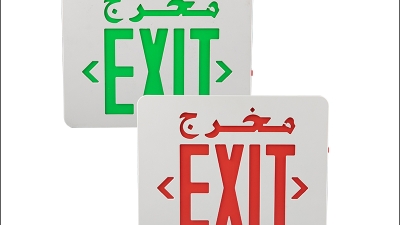
You know, when we think about Fire Exit Signs, it’s hard to ignore just how important they’re becoming, especially with safety standardscHanging all the time to keep up with today’s world and all those shinier buildings. I recently came across a report from theNational Fire Protection Association (NFPA) that said the right exit signs can actually cut down evacuation times by as much as 30%. That’s a pretty big deal when you’re talking about fire safety!
Now, Yuyao Lixin Electronics Co., Ltd. is making some serious strides in this area. They’re all about pushing technology forward with cool new innovations like addressable emergency lights and exit signs that are designed for all kinds of places. And with digital tech mixing in, we’re about to see a real shift in how Fire Exit Signs look and work. It's not just about being seen anymore; these signs are going to communicate real-time data, which could seriously boost our safety in emergencies.
Looking ahead, it’s going to be super important for manufacturers, regulators, and tech developers to work together and create solid standards for these lifesaving devices.
The Evolution of Fire Exit Signs: Adapting to Global Safety Standards
You know, fire exit signs have come a long way, all thanks to the need to keep people safe and make sure we’re following global safety guidelines. The National Fire Protection Association (NFPA) points out that emergencies can pop up in a matter of seconds, which really highlights just how vital it is to have exit routes that are clear and easy to spot. Because of this, there’s been a real push for better signage, leading to the adoption of internationally recognized standards like ISO 7010. This helps ensure that safety signs and symbols look pretty similar no matter where you are in the world. By 2021, studies showed that more than 70% of workplaces in Europe had made the switch to compliant fire exit signs—definitely a sign that organizations are taking global safety standards more seriously!

And let’s not forget about how technology is shaking things up, too! These days, there’s a growing demand for illuminated and smart exit signs. They do more than just point you in the right direction during emergencies; they also provide real-time data to safety managers! A survey by Safety Management International reported that about 65% of companies are now putting their money into these intelligent exit sign systems that use LED tech and connected devices. This not only boosts visibility and reliability during a crisis but also aligns nicely with sustainability goals since modern signs are way more energy-efficient and fit into green building practices. Pretty cool, right?
Assessing the Impact of ISO 7010 on Fire Exit Signage Design and Usage
You know, the way ISO 7010 has changed fire exit signs is pretty incredible! It's really shaking things up when it comes to how we design and use these critical safety features. This standard was created to boost safety all around the globe, and it offers a set of symbols that pretty much everyone can understand. That's super important, especially in an emergency when people need to find exits quickly—no matter what language they speak. With these universally recognized symbols, confusion is kept to a minimum, making it easier for folks to get out in a hurry.
Plus, since ISO 7010 came into play, there's been a cool shift in how fire exit signs look and what materials are used. Designers are getting more creative, crafting signs that not only tick all the safety boxes but also fit in nicely with the building’s overall vibe. This mix of style and practicality means that fire exit signs are not just functional in a crisis but look good too, which helps create a culture of safety awareness. As more people start following ISO 7010, it’s likely we’ll see its impact grow—leading to even better safety in both public and private spaces. Isn’t that a step in the right direction?
The Role of Color and Symbolism in Enhancing Fire Safety Awareness
When it comes to fire safety, you really can’t overlook how important color and symbolism are in fire exit signs. You know, like the blog "The Future of Fire Exit Signs in Global Safety Standards" points out, the way these signs look plays a huge role in how well they work. Recent studies have shown that things like age and education level really shape how people get these safety messages. For example, some colors just click immediately, making it way easier for folks to spot those safe escape routes when things get hairy.
And let’s be honest, using symbols that everyone recognizes makes fire exit signs way more intuitive. Research backs this up, showing that the shape and design of these signs help people understand them faster, no matter who they are. This really supports the idea that we need more uniform safety signage to boost its effectiveness for everyone. As we look ahead to more integrated safety standards around the globe, honing in on the brainy aspects of fire exit signs could seriously enhance how well people understand safety and respond in emergencies.
Emerging Technologies: Smart Fire Exit Signs and Their Benefits
You know, as safety standards keep changing around the world, fire exit signs are really stepping up their game thanks to new tech. I mean, smart fire exit signs are leading the way with cool features like LED lights, digital screens, and even IoT connectivity. These modern twists mean the signs can now give you real-time info about evacuation routes, making it way easier to stay safe when things get hectic. For example, during a fire, these smart signs can change on the fly to show you the safest exit routes, adapting to whatever's going on at that moment.
But the perks of smart fire exit signs don’t stop at just helping you find your way. They come with built-in sensors and can communicate with emergency responders about how many folks are inside and any potential dangers. Seriously, the data they gather can really help in figuring out the best ways to get everyone out safely. Plus, they can save on energy costs since they adjust their lighting based on whether someone’s in the room or if there's enough natural light. As this tech moves forward, it’s not just changing safety measures; it really highlights how crucial innovation is for improving public safety across the globe.
The Future of Fire Exit Signs in Global Safety Standards - Emerging Technologies: Smart Fire Exit Signs and Their Benefits
| Feature | Traditional Fire Exit Signs | Smart Fire Exit Signs |
| Power Source | Battery or hardwired | Solar-powered options available |
| Response Time | Static information | Dynamic updates in real-time |
| Maintenance | Periodic checks required | Remote monitoring and self-diagnostics |
| Connectivity | None | WiFi and IoT capable |
| Customization | Limited options | High customization with various alerts |
| Cost | Lower initial cost | Higher initial investment, cost-saving over time |
| Regulatory Compliance | Standard compliance | Enhanced compliance with evolving standards |
Statistical Insights: Analyzing Fire Incident Patterns and Signage Effectiveness
You know, over the last few years, figuring out fire incident patterns has really become a big deal when it comes to keeping people safe, especially with fire exit signs. It turns out that if exit signs are poorly placed or just not clear enough, they can really throw people off during emergencies. Studies have shown that when a fire breaks out, chaos often ensues—people get scared and that leads to a scramble to get out. This is exactly why it’s so important to have clear guidance in those moments. By looking at where past incidents have happened, we can come up with smarter signage systems that fit the specific needs of different places.
What’s even more interesting is that places where fire exit signs are up to date and positioned just right tend to have lower casualty rates when things go south. This really highlights the need for safety standards around the world that push for consistency in how these signs are designed and how visible they are. If we can use clearer symbols and add some modern touches, like illuminated or digital signs, we’ll definitely improve how effective those exit signs are. So, the future of fire exit signage isn’t just about looking good, it’s really grounded in solid data too—ensuring that everyone can make their way to safety without any stress, which, let’s be honest, could save lives.
Future Trends: Predicting Changes in Fire Exit Sign Regulations and Compliance
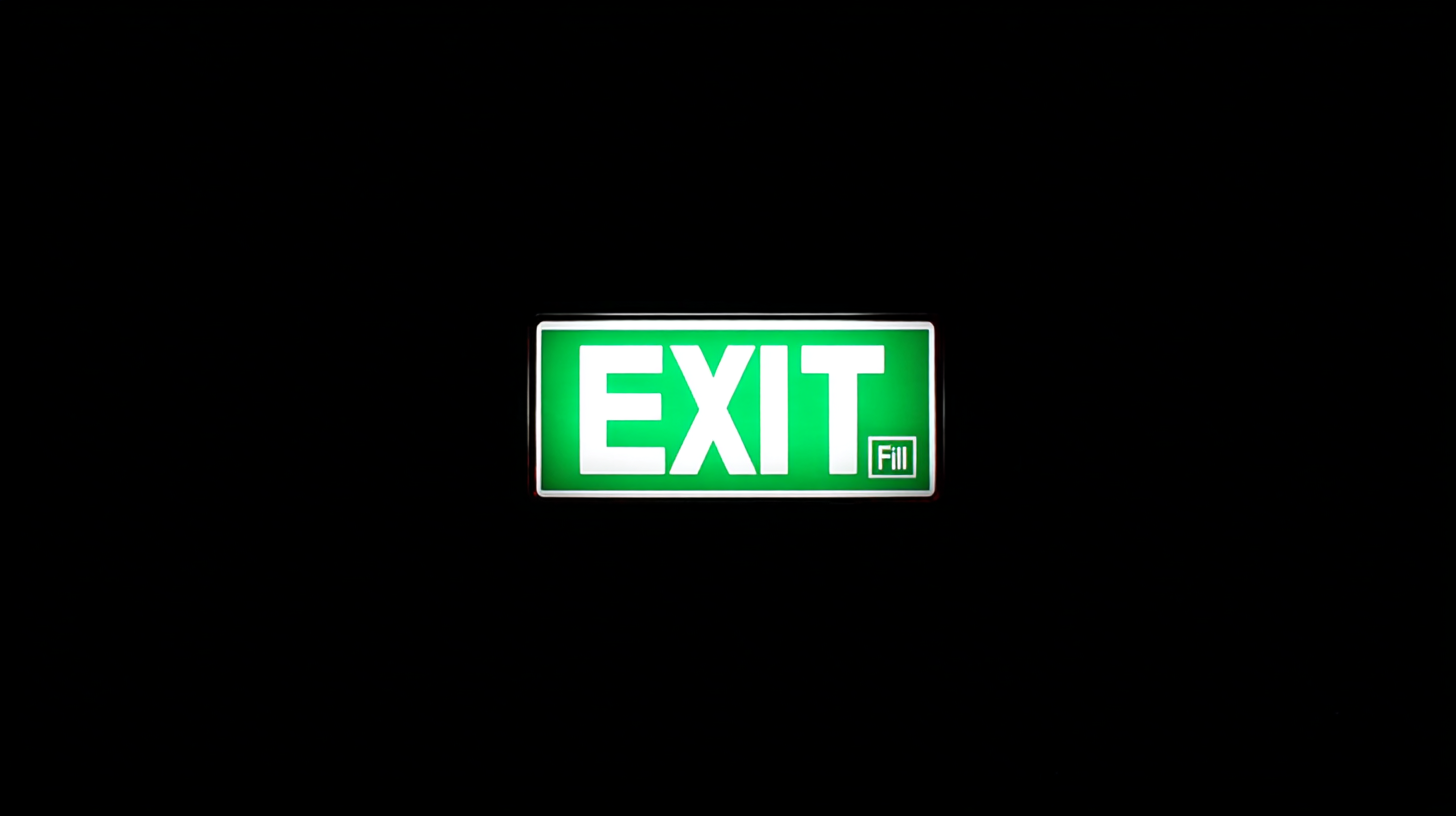 You know, as safety standards around the world are changing, fire exit signs are really starting to evolve thanks to some cool trends in both technology and design. I mean, governments and organizations are really putting a spotlight on making sure emergency communication is super clear and effective. So, in the next few years, we’re likely to see some pretty innovative signage popping up. Think illuminated signs that light up based on the surrounding brightness or even signs that can talk to you in different languages automatically—that’s pretty amazing, right?
Quick Tip: If you’re thinking about upgrading your fire exit signs, definitely check if they meet the latest regulations in your area. It’s also a good idea to do regular checks on your signage to make sure they’re visible and effective, especially when the lights are low.
And let’s not forget about sustainability! That’s going to play a big part in how fire exit sign regulations look moving forward. We can expect to see a lot more signs made from eco-friendly materials and using energy-efficient lighting. So, it’s not just about keeping up with safety standards; it’s also about showing that you care about the environment.
Another Tip: Consider looking into solar-powered or LED fire exit signs—they can really cut down on energy use while keeping safety a top priority. Plus, regularly reevaluating your signage is a smart move to ensure you’re staying compliant as new standards come into play.
Enhancing Safety with Customized Smoke Alarms and Exit Signs: A Look at Lxine's Innovative Solutions
In today's fast-paced world, ensuring safety in residential and commercial spaces is of paramount importance. Lxine's innovative solutions are at the forefront of enhancing safety, particularly through customized smoke alarms and exit signs. These advanced devices not only meet regulatory standards but also cater to the specific needs and layouts of various environments. By integrating smart technology and design, Lxine enables property owners to effectively manage emergency situations, providing peace of mind for both residents and employees.
Customized smoke alarms are a critical component of Lxine’s safety solutions. With features such as adaptive sensitivity adjustments, these alarms can significantly reduce false alerts while maintaining vigilance against actual threats. Furthermore, Lxine’s exit signs are designed to be clearly visible in various lighting conditions, making them essential for guiding individuals safely during emergencies. The combination of user-friendly design and state-of-the-art technology positions Lxine as a leader in the safety market, ensuring that everyone can navigate emergencies with confidence and clarity.
By prioritizing customization, Lxine not only enhances safety but also promotes a tailored approach that meets the unique challenges faced by different facilities. Their commitment to innovation not only highlights the importance of safety but also empowers users to foster secure environments that prioritize the well-being of their occupants.