You know, when it comes to safety and security electronics, having reliable lighting solutions is super important—like, you really can’t underestimate it. According to some industry reports I've seen, the global market for Rechargeable Emergency Lights is set to boom, hitting around $1.4 billion by 2025! Why, you ask? Well, people are becoming more aware of fire safety and there's a growing need for effective lighting during emergencies. At Yuyao Lixin Electronics Co., Ltd., where we specialize in making fire and security electronic products along with LED lighting, we totally get how crucial these devices are for keeping people safe. We've got a wide range of products, like addressable emergency lights and exit signs, all designed to shine bright when it really counts. This guide is here to help you sort through all the options out there and highlight the key specs you should consider, making it easier to find the best Rechargeable Emergency Light for whatever your home or business needs.
Key Features to Look for in Rechargeable Emergency Lights for Maximum Efficiency
So, if you're in the market for a rechargeable emergency light, you really want to pay attention to a few key features that can boost its efficiency and performance. You know, there's this industry report from Market Research Future that says the global emergency lighting market is expected to hit a whopping $9.61 billion by 2025! Pretty impressive, right? That just shows how much folks are craving reliable, high-performing solutions. Now, when you're shopping around, keep an eye out for things like brightness levels—aim for at least 300 lumens to really ensure you can see what you’re doing in those critical moments.
And don’t forget about battery life, charging time, and how well the light holds up under wear and tear. Multi-function capabilities can be super handy too; you’ll want light modes like strobe and SOS, plus maybe a built-in USB port to charge your other devices. Oh, and there's this study from the LED Lighting Industry Association that highlights how emergency lights with lithium-ion batteries are way more energy-efficient and last longer than those old-school options.
Last but definitely not least, pay attention to the IP ratings. If you plan on using this light outdoors, go for at least an Ip65 rating to make sure it’s got some water and dust resistance. All these specs combined will help you pick out an emergency light that really shines when you need it most!
Comparison of Key Specifications for Rechargeable Emergency Lights
Understanding Battery Specifications: Lithium-Ion vs. NiMH for Longevity
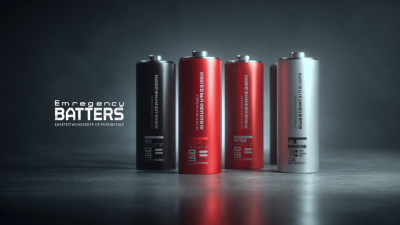
Choosing a rechargeable emergency light? Well, you definitely want to get a grip on the battery specs because they can make or break the light’s longevity and overall performance. So, here’s the deal: you’ll often come across two main types of batteries in these lights – Lithium-Ion (or Li-ion for short) and Nickel-Metal Hydride (that’s NiMH). Li-ion batteries are pretty popular because they’re lightweight and have a high energy density. This makes them a great pick for portable lights, plus they tend to last longer, so you won’t be swapping them out all the time. On the flip side, NiMH batteries have their perks too. They’re generally more environmentally friendly and easier on the wallet, but just keep in mind they don’t hold up as well when it’s super hot or really cold, and their discharge cycle is a bit shorter.
Quick Tip: When you’re weighing the options between Li-ion and NiMH, think about how you plan to use the light. If you’re going to stash it away for a while without touching it, then going for a Li-ion battery would be smart since it keeps a charge for ages. But if you’re going to be using the light often and want to save some cash, a NiMH battery could do the trick just fine. And hey, don’t forget to look for lights that have built-in safety features – they’re super important for avoiding battery malfunctions and keeping things safe.
Also, when you're on the hunt for the best rechargeable emergency light, don't skip over the power output and how long it takes to charge. A light with higher lumen output means better brightness, which is awesome, but it might burn through the battery faster. So, you gotta find that balance between how bright you need it and the battery capacity. And last but not least, checking out warranty options can give you that extra peace of mind, knowing you’ve got backup if anything goes wrong with the battery.
Optimal Brightness Levels: Lumens Explained and How They Impact Visibility
So, when you’re on the hunt for a rechargeable emergency light, it’s super important to get a grip on how brightness levels work. You know, the brightness of these lights is measured in lumens, which basically tells you how much light they’re putting out. The Illuminating Engineering Society (IES) has some pretty solid recommendations based on where you might need it. Like, if you're stuck in a pitch-black room, shooting for around 200 to 300 lumens is a good idea for being able to see comfortably. On the flip side, if you're outside, you might want something that pumps out over 1000 lumens. This really shows just how important those lumens are to make sure you can see what’s going on during a power outage or any emergency situation.
And get this: most folks really dig emergency lights that let you tweak the lumen settings to fit different situations. For instance, if you have a light that tops out at 1000 lumens, it'll totally light up a big outdoor space. But you can also dial it down to save some battery if you need it to last a bit longer. Plus, research from the National Fire Protection Association (NFPA) backs this up, saying that good lighting not only keeps you safer but also helps cut down on accidents during tough times. So, when you're ready to pick out that rechargeable emergency light, definitely keep those lumens in mind and look for something that can adjust to whatever visibility you need.
Run Time Analysis: How Long Should Your Emergency Light Last on a Full Charge?
So, when you’re picking out a rechargeable emergency light, one of the biggest things to keep in mind is how long it lasts on a single charge. You really want a light that can keep shining for a good stretch of time, especially when unexpected things like power outages happen. Typically, a solid emergency light should run for about 4 to 12 hours when fully charged. That gives you a decent window to find your way around your place, grab what you need, or just hang tight until help shows up.
Now, to get a handle on how well a light will perform, take a peek at its battery capacity and the kind of LED it's using. Batteries with a higher capacity are going to give you longer run times, no surprise there, and energy-efficient LEDs really help stretch that time out, too. Oh, and don’t forget: some lights even have adjustable brightness settings. This is super handy because you can save battery life when you don’t need maximum brightness. At the end of the day, the perfect emergency light should be not just bright and tough, but also designed to keep you lit up for as long as you need it, especially in those intense moments.
Portability Matters: Ideal Weight and Size for Emergency Situations
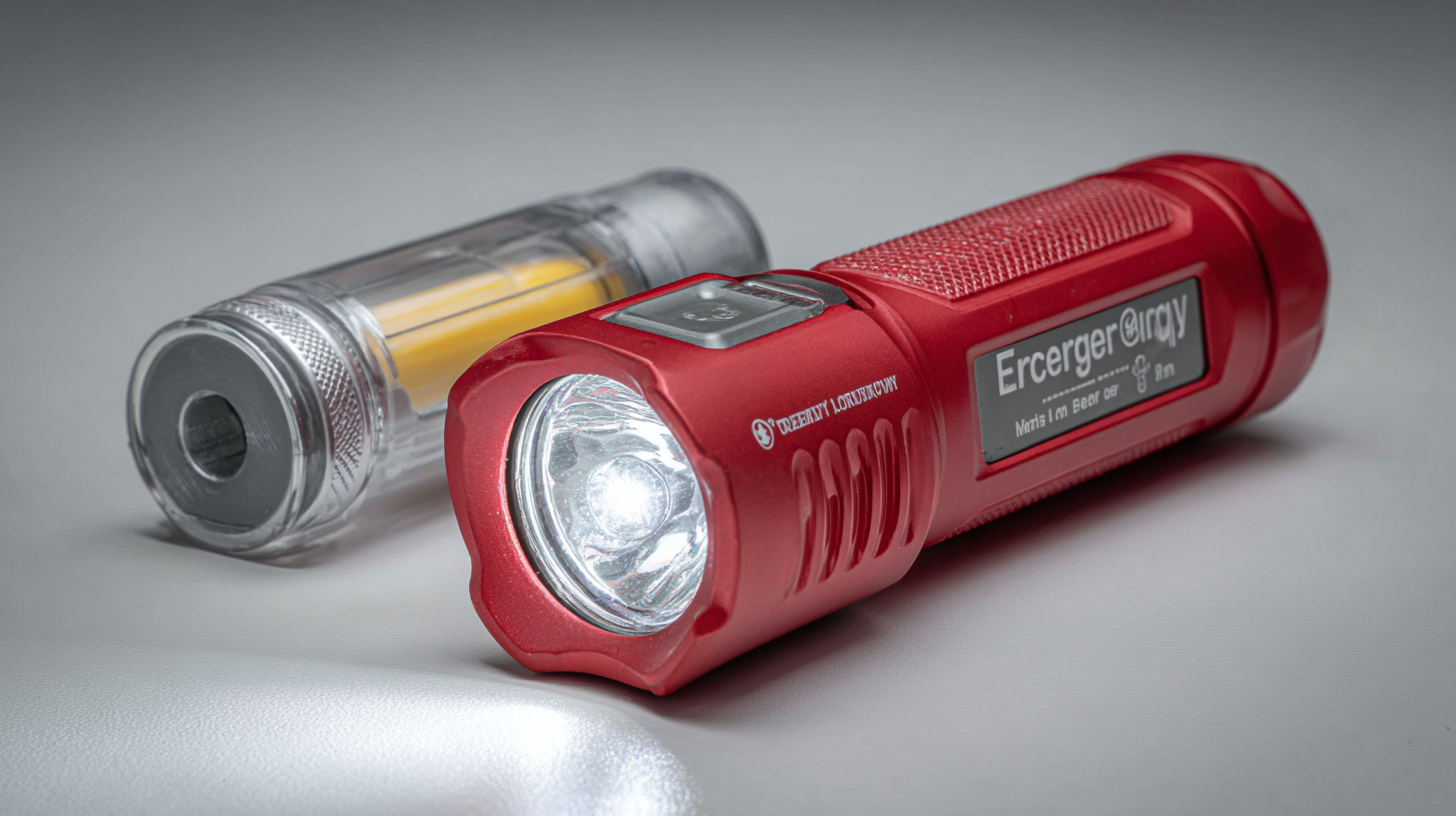
So, when you're on the hunt for a rechargeable emergency light, one of the super important things to think about is how portable it is—mainly its weight and size. You know, in those emergency situations, having something lightweight and compact really helps you move around easily and get to it when you need it most. A report from the International Safety Equipment Association (ISEA) found that a solid 68% of people prefer emergency lights that weigh under 2 pounds. Makes sense, right? You want something easy to grab during an outage or, heaven forbid, a natural disaster.
Now, ideally, you don’t want an emergency light longer than 12 inches. That way, it’ll fit pretty nicely in your backpack or any emergency kit you might have. There was even a study by the National Fire Protection Association (NFPA) that showed over 80% of families feel unprepared when emergencies hit. So, having a light that’s not just powerful but also easy to carry can really make you more likely to have it on hand. A lot of these compact designs come with handy features like built-in handles or hooks, making it easy to attach wherever you need it—especially when time is ticking. In the end, picking out a rechargeable emergency light that has the right weight and size can really help you tackle those unexpected situations more effectively.
Safety Standards: Certifications to Ensure Your Rechargeable Emergency Light is Reliable
When choosing a rechargeable emergency light, understanding safety standards and certifications is crucial for ensuring reliability. Devices that carry certifications such as UL (Underwriters Laboratories) or CE (Conformité Européenne) have been rigorously tested for safety and performance. According to a 2022 industry report, products that meet these standards have shown a 30% lower failure rate during emergency situations compared to non-certified counterparts. This reliability is pivotal when you need light the most, ensuring that your emergency light will function as expected.
Tip: Always check for the manufacturer's specifications and the certifications listed on the product packaging. This will give you peace of mind that the light you are buying is built to withstand various conditions and has passed necessary safety evaluations.
Moreover, it's also important to consider the maximum brightness and battery life indicated by certifications. Many reports have highlighted that certified emergency lights often include features such as overcharge protection and energy-efficient LED technology, which extends their lifespan and operational hours duringpower outages. In fact, a well-rated emergency light can provide up to 10 hours of continuous use on a single charge.
Tip: Look for additional features such as multiple brightness modes and a built-in battery indicator to enhance usability. These elements can significantly improve the overall performance of your emergency lighting solutions.
Comprehensive Guide to Choosing the Best Rechargeable Emergency Light with Key Specifications
| Specification | Details |
| Battery Type | Lithium-ion |
| Battery Capacity | 2000 mAh |
| Brightness | 400 lumens |
| Light Source | LED |
| Charging Time | 5 hours |
| Runtime | 12 hours on low setting |
| Weight | 0.8 lbs (360 grams) |
| Water Resistance | IP65 |
| Safety Certifications | CE, RoHS, FCC |
| Features | Emergency flash, adjustable brightness levels |
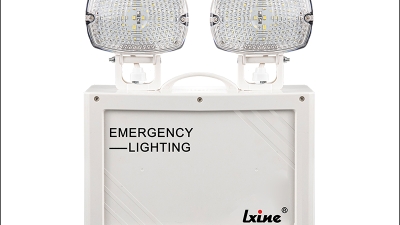
Innovative Home Lighting Solutions: Unveiling the Benefits of Discount Wholesale Lxine Wall Light Panels and LED Emergency Lighting LX-623L
Innovative Home Lighting Solutions: Unveiling the Benefits of Discount Wholesale Lxine Wall Light Panels and LED Emergency Lighting LX-623L
In the quest for effective home lighting solutions, the Lxine Wall Light Panels stand out as a remarkable option that combines aesthetics with functionality. These panels are designed to enhance the mood of any room while providing significant energy savings. Their sleek design allows them to blend seamlessly into various interior styles, making them a versatile choice for homeowners looking to elevate their living spaces. With the added benefit of wholesale pricing, investing in these light panels becomes a cost-effective way to illuminate your home beautifully.
Another compelling product worth exploring is the LED Emergency Lighting LX-623L. This innovative lighting solution ensures safety in your home by providing reliable illumination during power outages. It features a bright LED output and a long battery life, making it an essential addition to any emergency preparedness plan. The LX-623L is not only practical but also energy-efficient, which aligns with the growing preference for sustainable living. By incorporating these solutions, homeowners can enjoy peace of mind while enhancing the overall visual appeal of their spaces.
FAQS
: The two most common battery types are Lithium-Ion (Li-ion) and Nickel-Metal Hydride (NiMH).
Lithium-Ion batteries are known for their high energy density, lightweight characteristics, and longer lifespan, which reduces the need for frequent replacements.
NiMH batteries are environmentally stable and cost-effective, making them appealing, although they usually have a shorter discharge cycle and may not perform well in extreme temperatures.
A good emergency light should last anywhere from 4 to 12 hours on a full charge, providing sufficient illumination during power outages.
An emergency light can improve its run time by utilizing higher-capacity batteries and energy-efficient LEDs, along with adjustable brightness settings to conserve battery life.
The ideal weight for a rechargeable emergency light is under 2 pounds, making it easier to carry during emergencies.
An emergency light should not exceed 12 inches in length to ensure it can comfortably fit in a backpack or emergency kit.
Compact designs with built-in handles or hooks for easy attachment significantly enhance the usability of portable emergency lights during critical moments.
Understanding battery specifications is crucial for ensuring the longevity and performance of the emergency light, especially during unforeseen circumstances like power outages.
Consumers should look for lights with built-in safety features to prevent potential hazards associated with battery malfunctions.