In today's constantly cHanging world ofsafety and security tech, having reliable energy sources for Emergency Light batteries is more important than ever. I mean, a report from Markets and MarketspRedicts that the global emergency lighting market will hit around$9.45 billion by 2025. That growth is mainly because folks are really starting to pay more attention to safety standards and the need for quick, effective emergency setups.
Here at Yuyao Lixin Electronics Co., Ltd., we focus on crafting a wide range of fire and security electronic products – stuff like high-quality addressable emergency lights and exit signs. This guide is here to help buyers around the world get a better handle on the different emergency light batteries out there, so they can choose the best, most reliable options to keep their safety systems running smoothly. Understanding what makes these batteries tick is super important, especially if you're running a business or a factory—because at the end of the day, safety’s all about staying prepared and confident that everything works when it matters most.
Types of Emergency Light Batteries: An Overview for Global Buyers
When you're picking out batteries for emergency lights, it’s pretty important to get the lowdown on the different types out there. The most common ones you’ll see are nickel-cadmium (NiCd), nickel-metal hydride (NiMH), and lithium-ion (Li-ion) batteries. NiCd batteries are kinda known for being tough—they work well even in really hot or cold conditions—so they’re suitable for all kinds of environments. But, with growing concerns about the environment, their use has dropped off in favor of more eco-friendly options.
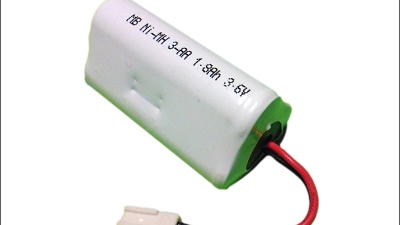
Then there’s the NiMH kind, which generally packs more juice and lasts longer than NiCd, so if you’re after efficiency, these are a solid pick. Plus, they're a bit friendlier to the planet since they’re less toxic. And let's not forget Li-ion batteries—they’re becoming super popular because they’re lightweight, charge quickly, and tend to last longer, although they usually come with a higher price tag. If you’re shopping globally, understanding these differences can really help you pick the right one for your emergency lighting—so you can count on it when it really matters!
Key Features to Consider When Choosing Emergency Light Batteries
When you're choosing batteries for emergency lighting, there are a few key things to keep in mind to make sure everything runs smoothly when it really counts. First off, think about the type of battery. Lithium-ion ones are pretty popular these days because they pack a lot of energy and tend to last longer than the old-school lead-acid batteries. That said, if you’re dealing with a bigger system, sometimes lead-acid batteries make more sense because they’re cheaper—even if they're heavier and don't last as long overall.
Another thing to watch out for is the battery's capacity, which you’ll usually see in milliamp hours (mAh). Basically, the higher the number, the longer your lights will stay on during a power outage. Also, it’s worth checking out the discharge rate — batteries that discharge slowly hold onto their energy better and can give you more reliable lighting when you need it most.
A quick tip: always peek at the certifications and warranties from the manufacturer. That’s a good way to make sure you’re getting quality and safe products. Sticking with reputable brands can save you headaches and costs down the line. And don’t forget to think about the environment—more eco-friendly batteries are popping up everywhere, and going green is a smart move for sustainable living.
All in all, a little research goes a long way when picking the right emergency light batteries, so you’ve got peace of mind knowing you’re prepared when it counts most.
Comparative Analysis of Rechargeable vs. Non-Rechargeable Batteries
So, when you're trying to pick the right batteries for emergency lights, one of the big decisions is whether to go with rechargeable or just grab some non-rechargeable ones. Rechargeable batteries, like lithium-ion or nickel-metal hydride, are pretty handy because they last longer and save you money in the long run. If you've got a decent charger, you can recharge them quickly after each use, so your emergency lights are always good to go. Plus, they're a bit kinder to the environment since you can reuse them over and over instead of throwing them away all the time.
On the flip side, non-rechargeable batteries — think alkaline or lithium primary types — are super simple and convenient. They’re great if you need something you can just pop in and forget about, especially if you don’t always have access to charging stations. The downside? They’re disposable, which means more waste, and in the long run, they might cost a bit more. Plus, from an environmental perspective, they’re not exactly ideal.
At the end of the day, whether you choose rechargeable or not really depends on your personal needs, how often you use your emergency lights, and what’s more important to you — convenience or sustainability. It’s a good idea to think about your own situation carefully before making a call.
Factors Affecting Battery Lifespan and Performance in Emergencies
When you're comparing different emergency light batteries, it’s really important to get a good grip on the factors that influence how long they last and how well they perform when it counts the most. One thing to look into is the battery chemistry. For example, lithium-ion batteries generally last longer and perform better across different temperatures than the old-school lead-acid types. Also, the discharge rate can vary quite a bit depending on the chemistry — batteries built for high-drain situations tend to give you more reliable power during emergency situations, which is pretty critical for safety.
Temperature plays a huge role too. Extreme hot or cold can mess with batteries, making them less efficient and cutting down how long they can run. So, it’s really smart to think about the environment where these batteries will be used. And hey, don’t forget that proper maintenance and charging habits matter a lot. Checking the charge regularly and making sure batteries are fully topped off before an emergency can really make a difference when you need them most. All in all, understanding these basics helps buyers—especially those shopping globally—pick the right batteries that will honestly perform when it really counts.
Comparison of Emergency Light Batteries: Lifespan and Performance
Top Emergency Light Batteries Recommended by Experts and Users
When you're trying to pick out the best emergency light batteries, it’s really a mix of what experts say and what users have experienced that helps you make a smart choice. I’ve seen a recent report from MarketsandMarkets that says the global market for emergency lighting batteries is expected to hit around $3.7 billion by 2027—pretty wild, right? That’s mainly because people are more aware of safety these days and there’s a bigger demand for dependable power sources in emergencies. Among the top options out there, lithium-ion batteries seem to be quite popular—they’re lightweight, last a long time, and perform really well, so most folks tend to go for those.
Experts often mention brands like Energizer, Duracell, and Ateso as some of the most reliable and innovative out there. For example, Energizer’s lithium batteries can last up to 10 years on the shelf, which is pretty impressive, and they’re known for packing a lot of power into a small package. On the flip side, folks on Amazon and other review sites often rave about Duracell’s batteries lasting for hours during power outages, which is a huge plus in critical situations. It’s clear that both pros and regular users agree—it’s super important to choose batteries that can last long and handle high drain situations without a hitch. Honestly, doing a little homework before buying really makes a difference!
Ultimate Guide to Comparing the Best Emergency Light Batteries
| Battery Type | Capacity (mAh) | Voltage (V) | Recharge Time (hrs) | Runtime (hrs) | User Rating |
| Lithium-Ion | 2000 | 3.7 | 4 | 8 | 4.8 |
| NiMH | 1800 | 1.2 | 5 | 6 | 4.5 |
| Lead Acid | 3000 | 12 | 8 | 12 | 4.0 |
| LiFePO4 | 2500 | 3.2 | 5 | 10 | 4.7 |
Cost-Effectiveness: How to Get the Best Value for Your Emergency Lighting Needs
When you're dealing with emergency lighting, picking the right battery isn’t just about making sure it works — it’s also a smart move for saving some bucks in the long run. For folks shopping from all over the globe, the initial cost of batteries can really vary. But honestly, it’s worth looking past just the sticker price. Things like how long the battery lasts and how many recharge cycles it can handle are big players that can make a difference down the road. Sometimes, spending a little more upfront on a battery with a longer lifespan and better rechargeability can actually save you money over time. Plus, the way lights perform with different batteries matters too — you'll want to choose ones that convert energy efficiently, so your lights stay bright without draining power too quickly.
Another thing to keep in mind is whether those batteries are easy to find locally. Ordering specialty batteries from overseas can bump up your costs and complicate things. It’s usually better to go for batteries that are readily available in your area and compatible with your emergency lights. Don’t forget to compare brands as well—some might offer longer warranties or better customer support, which adds even more value. Taking all these factors into account helps global buyers make smarter choices, ensuring their emergency lighting works when they need it most, without breaking the bank.
Empowering Safety: The Importance of Reliable Emergency Lighting with LIXIN Nickel Metal Hydride Batteries
In today's unpredictable world, ensuring safety in emergency situations is paramount. Reliable emergency lighting plays a crucial role in guiding individuals to safety when the unexpected occurs. The integration of LIXIN Nickel Metal Hydride (NiMH) batteries in emergency lighting systems significantly enhances their performance and reliability. Unlike traditional batteries, LIXIN NiMH batteries offer superior energy storage and a longer lifespan, ensuring that emergency lights remain operational throughout a power outage or crisis.
The importance of dependable emergency lighting cannot be overstated, particularly in settings such as schools, hospitals, and corporate buildings where large crowds may need guidance during an evacuation. The high discharge rate and excellent cycle stability of LIXIN NiMH batteries make them an ideal choice for these applications. Their ability to perform consistently under varying temperatures means that emergency lighting systems can function effectively in any environment, providing peace of mind when it is needed most.
Moreover, LIXIN NiMH batteries are environmentally friendly, offering a sustainable alternative to conventional battery options. Transitioning to energy-efficient systems not only supports safety but also contributes to a greener planet. By investing in reliable emergency lighting powered by LIXIN NiMH batteries, businesses and institutions can empower their safety protocols and foster a safer environment for everyone involved.
FAQS
: Lithium-ion batteries are often favored for their high energy density and longer lifespan compared to traditional lead-acid options.
Battery capacity, typically measured in milliamp hours (mAh), is crucial as a higher capacity indicates a longer runtime during power outages.
Batteries with a slow discharge rate maintain their energy longer, providing reliable lighting when needed most.
Checking for certifications and warranties guarantees quality and safety compliance, and investing in reputable brands can save time and resources.
It’s essential to assess the environmental impact of the battery and consider eco-friendly options for sustainable living practices.
Different battery chemistries, such as lithium-ion, typically offer longer lifespans and better performance under varying temperatures compared to lead-acid batteries.
Extreme temperatures can cause battery degradation, leading to reduced efficiency and shorter operational times, making the expected environmental conditions an important consideration.
Regularly checking charge levels and ensuring batteries are fully charged before an emergency can significantly enhance their performance when needed.
Batteries designed for high-drain applications can provide more reliable power output during emergencies, thereby impacting the effectiveness of emergency lighting.
Understanding the environmental conditions ensures that the selected batteries can perform well and maintain their effectiveness when needed most.