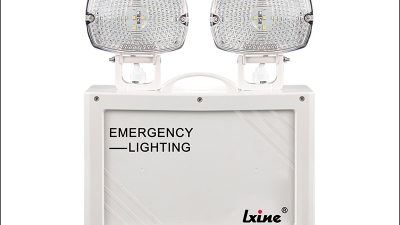
When it comes to fire safety and security, the little stuff like Emergency Light batteries really makes a huge difference. I mean, if there's ever a power outage or an emergency, you want those lights to work without fail, right? According to a recent report from the National Fire Protection Association (NFPA), nearly 3,400 fires across the U.S. in 2019 were sparked by electrical issues. That just shows how critical it is to have dependable emergency lighting in place. At Yuyao Lixin Electronics, for example, they’re really into making sure their products like addressable emergency lights and Exit Signsare poweRed by the latestbattery tech — because, let's face it, those batteries are what keep things shining when it really counts. Knowing the different types of batteries used in emergency lighting isn’t just for tech geeks; it’s super important for making sure everything works as it should, lasts a while, and keeps people safe—whether at a store, office, or home. So, I put together this handy guide to break down all the different emergency light batteries out there. Whether you’re a manufacturer, safety pro, or just curious, I think you’ll find it pretty useful to get the scoop on what makes these batteries tick and why they matter so much.
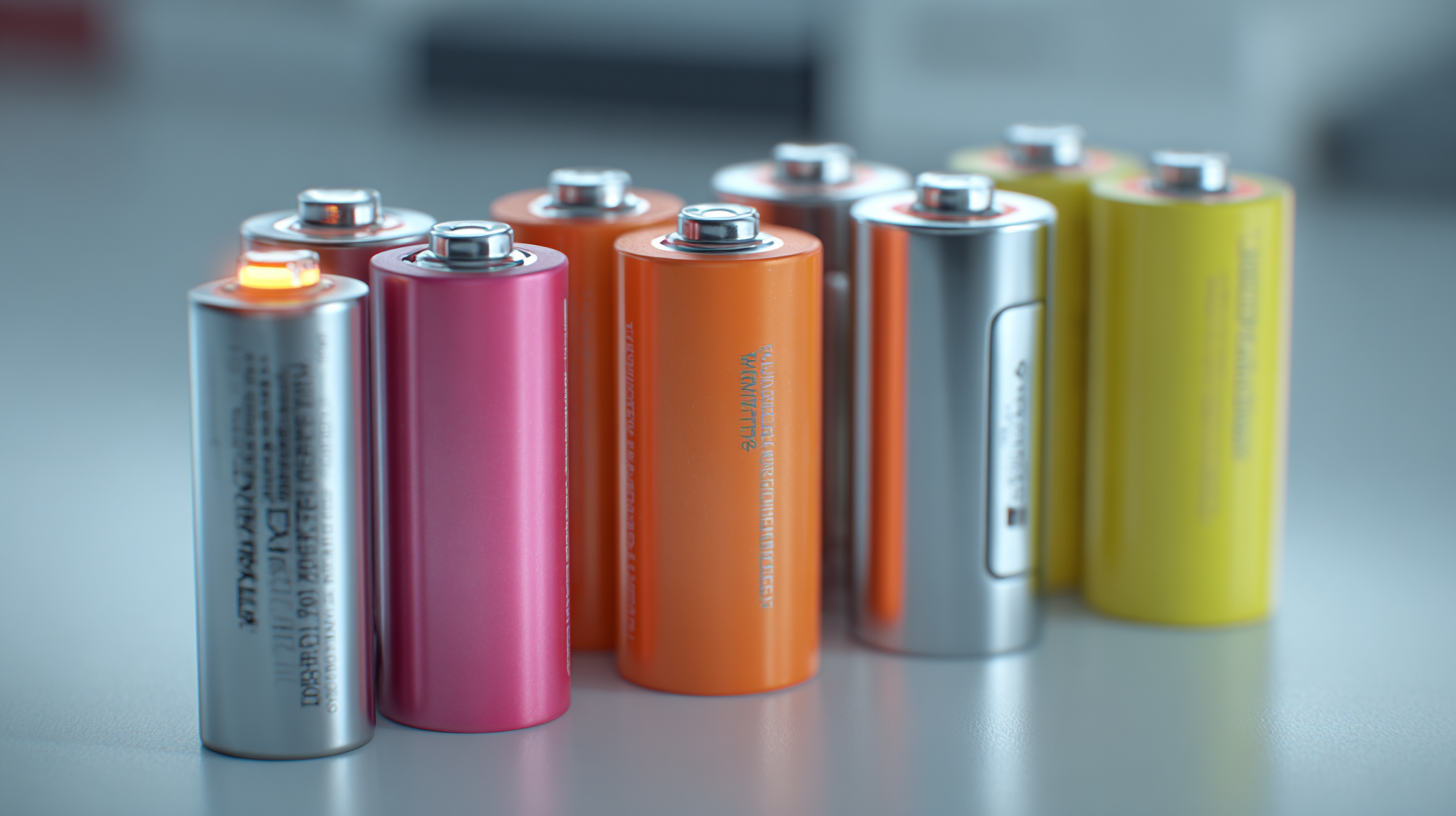
Types of Emergency Light Batteries: A Comprehensive Guide
When you're talking about emergency lighting, the kind of battery it uses really matters for making sure everything works reliably and efficiently. There are a few common options out there—like Nickel-Cadmium (NiCd), Nickel-Metal Hydride (NiMH), and Lithium-ion (Li-ion). I read somewhere that the market for emergency lighting batteries is expected to grow about 5% annually until 2025, so choosing the right battery tech is more important than ever to keep things running smoothly.
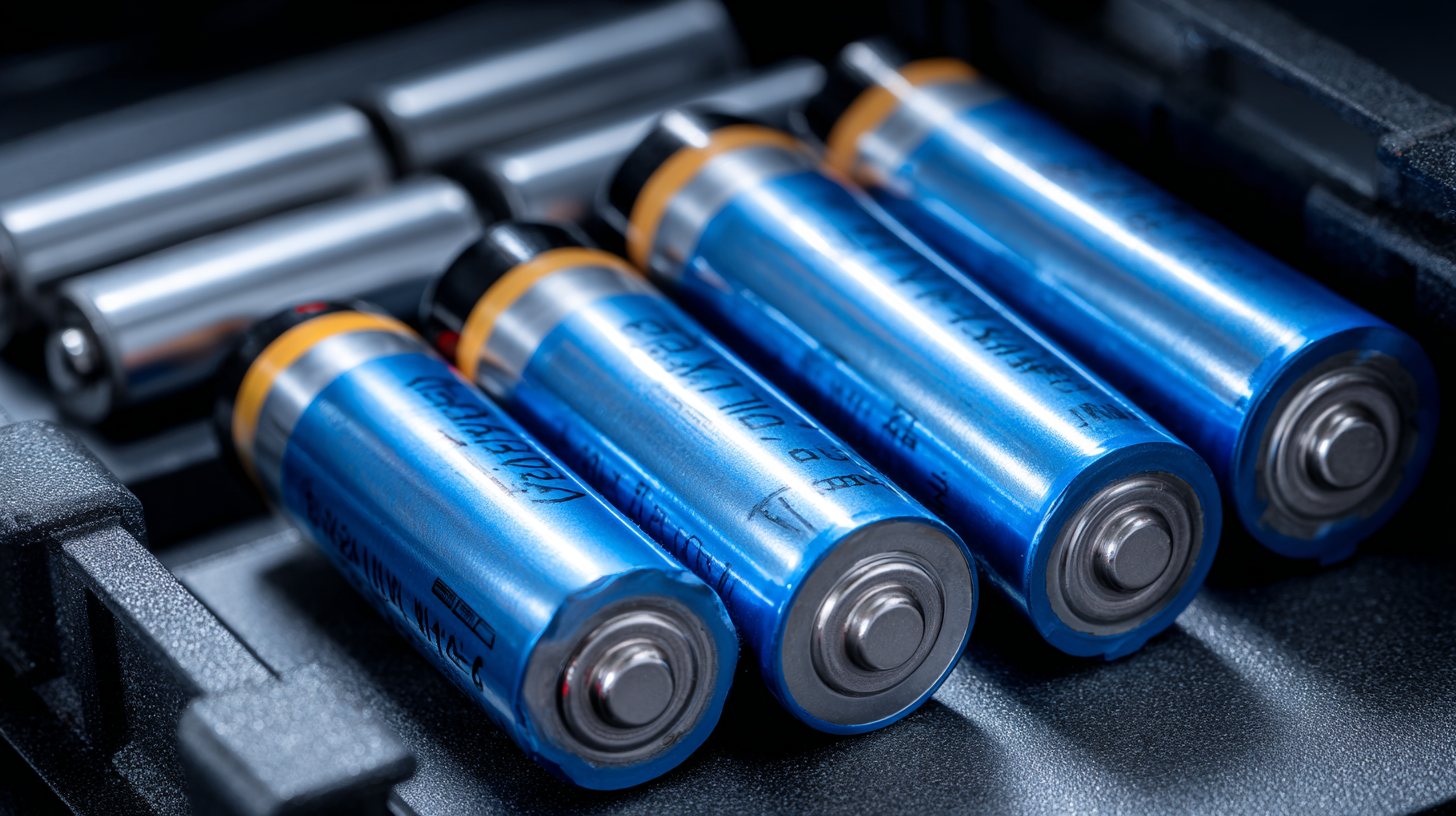
NiCd batteries have been around forever—they’re known for being tough and handling extreme temperatures pretty well. But, they do need regular maintenance, and they can suffer from something called the memory effect, which isn’t great. Then you’ve got NiMH batteries—they’re a bit newer, with higher capacity and a greener profile, since they’re less toxic. Lithium-ion batteries are gaining popularity lately because they last longer and can charge up pretty fast, making them a perfect fit for modern emergency lights. At Yuyao Lixin Electronics Co., Ltd., we’re all about pushing forward with better battery tech in our fire and security products—like our addressable emergency lights and exit signs—to make sure they’re safe, reliable, and ready when needed.
All in all, choosing the right battery isn’t just about tech specs—it’s about making sure you have dependable safety tools when it counts most.
Key Features of Different Emergency Light Battery Types
Talking about emergency lighting systems, it really helps to get a good grip on the different types of batteries out there. You see, the main ones used in these lights are nickel-cadmium (NiCd), nickel-metal hydride (NiMH), and lithium-ion (Li-ion). Each of these has its own quirks and suits certain needs better. For example, NiCd batteries are pretty tough—they can handle really harsh temperatures—so they’re often the go-to for industrial setups. Meanwhile, Li-ion batteries are lighter and last longer on the shelf, which fits perfectly with today’s energy-efficient, modern emergency backup systems.
When it comes to performance, industry data kinda speaks for itself. Lithium-ion batteries tend to beat the rest — packing energy densities up to 200 Wh/kg and often lasting more than 10 years. On the other hand, NiMH batteries aren’t too shabby either. They can usually go through around 500 charging cycles at about 70% discharge, making them a good choice if you’re not expecting constant use.
If you’re trying to pick the right battery, think about where the light will be used and how often power outages happen. That’ll help you choose something reliable and suited to your needs.
Oh, and don’t forget, it’s super important to pay attention to what the manufacturer recommends for maintenance. Running quick monthly tests on your emergency lights and swapping out backup batteries every couple of years can really boost their performance and safety. Ultimately, picking the right battery and keeping tabs on it is key to ensuring your emergency lighting works smoothly when you really need it.
How to Choose the Right Battery for Your Emergency Light
When you're trying to pick out the right battery for emergency lights, it’s actually pretty important to understand the different options out there and what each one can do. Emergency lights typically run on a few main types of batteries — like lithium, nickel-cadmium (NiCd), and lead-acid batteries. 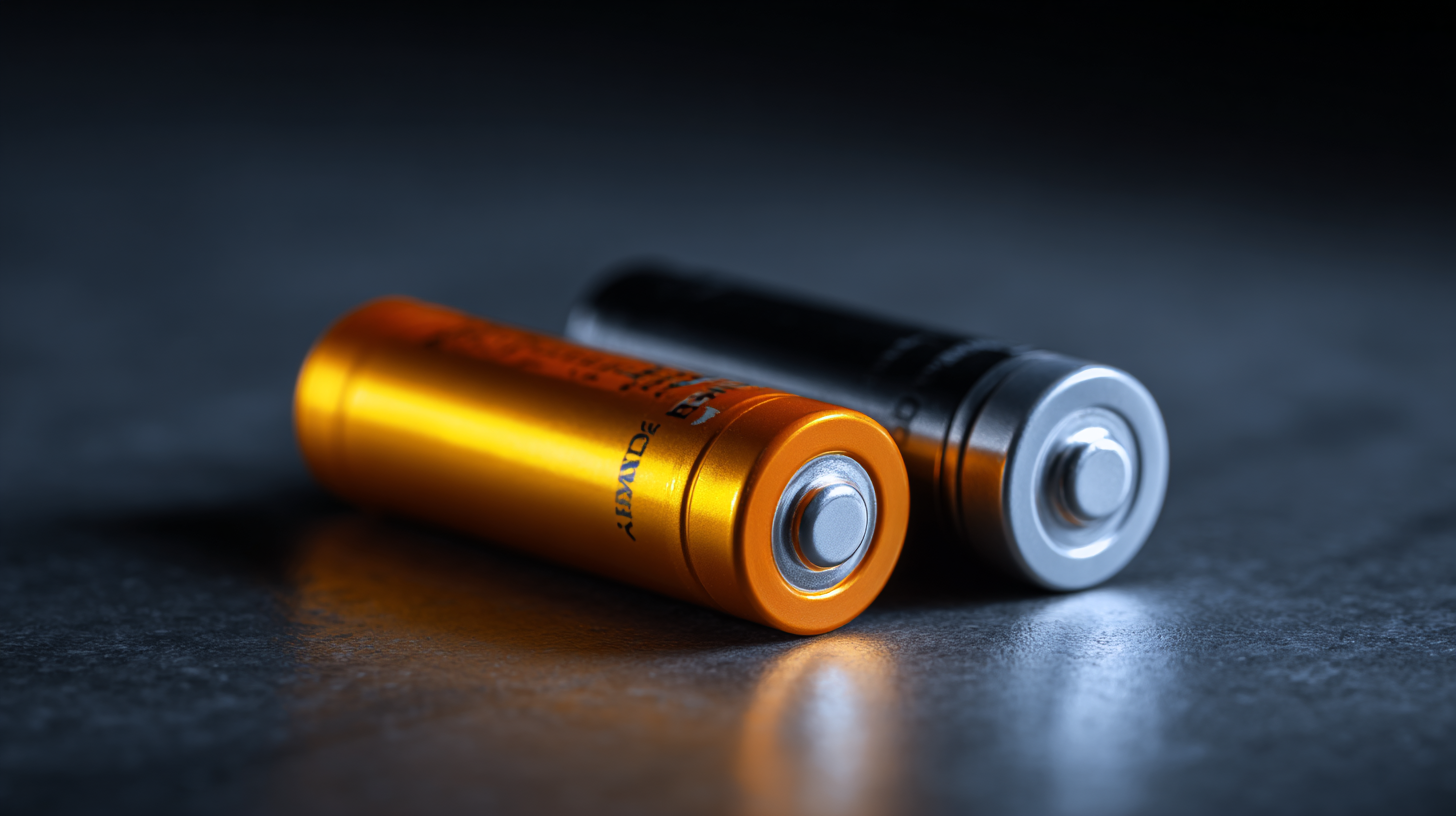 Lithium batteries are kind of the go-to these days because they’re lightweight and don’t need much fuss or maintenance. Plus, they tend to last longer than NiCd or lead-acid ones. But, on the flip side, lead-acid batteries are usually cheaper, which makes them appealing if you're sticking to a tight budget. Each type has its pros and cons, so it’s worth thinking about what suits your specific needs best.
Also, don’t forget to consider where you’ll be using these emergency lights. For example, if they’re outside, extreme temperatures can really mess with battery performance. You’ll want a battery that can handle those conditions. And, think about how often the lights will be used and how quickly you need them to recharge—some batteries might need more frequent swapping or charging. All in all, making an informed choice here is key to keeping your emergency lighting reliable and working when you need it most, especially since safety concerns and energy efficiency keep becoming more of a big deal.
Maintenance Tips for Extending Emergency Light Battery Life
Emergency lights are pretty essential when the power goes out—they keep you safe when things get dark. But here’s the thing: how well they work really depends on the type of battery inside. Getting to know the different kinds of emergency light batteries can help you pick the right one for your situation. That said, choosing the right battery is just half the battle. You also gotta take care of them if you want them to last and perform reliably.
If you're looking to make your batteries last longer, a little regular maintenance goes a long way. For example, testing your emergency lights once a month is a good habit. It’s a simple way to check if the batteries are still holding a charge and if the lights are working as they should. Also, don’t forget to keep the batteries themselves clean—dust buildup can cause problems down the line. Just grab a soft cloth and gently wipe the battery terminals and housing.
Another tip: don’t let the batteries totally drain. Batteries like lithium-ion and nickel-cadmium, which are common in emergency lights, can lose their capacity if they’re completely drained over and over. Instead, try to recharge them when they hit about 20-30% of their full charge. Sticking to these little routines can seriously boost both the lifespan and performance of your emergency light batteries, so they’re ready to go whenever you need them most.
Common Issues with Emergency Light Batteries and Solutions
When it comes to emergency lights, the condition of the battery can really be the deciding factor between staying safe and facing real risks. You know, one common headache with these batteries is that they often can’t hold a charge anymore, or they just age out way too soon. I read a report from the National Fire Protection Association (NFPA) that said almost 10% of emergency lighting systems failed during an emergency because of battery problems—so it just shows how crucial regular maintenance and checking really are.
One issue you’ll often hear about is sulfation, which happens when lead-acid batteries sit uncharged for too long. Over time, this can seriously cut down their lifespan and bugger up their performance just when you need them most. A study from the Battery Council International (BCI) even suggests that sticking to a routine testing schedule can cut down on battery failures by up to 60%. On top of that, switching to newer tech like lithium-ion batteries can make a big difference—they're less likely to suffer from issues like sulfation and tend to last longer.
But it’s not just aging or sulfation. The environment plays a big part, too. Extreme temperatures, whether hot or cold, can really take a toll. Batteries meant for normal conditions (say, between 32°F and 104°F) won’t perform well outside that range. In fact, every 15°F increase in temperature can slash their lifespan by about half. So, it’s super important for businesses to make sure their emergency batteries are rated to handle the climate they’re in—because when the lights go out, you want everything to work smoothly, right?
The Future of Emergency Light Battery Technology and Innovations
The future of emergency light battery tech is moving fast, thanks to recent breakthroughs in battery energy systems. For example, we've seen some pretty exciting progress with high-energy solid-state batteries. A good showcase of this is the successful flight test of the EH216-S — it flew for an incredible 48 minutes and 10 seconds without a hitch! This kind of innovation really proves that advanced battery tech isn't just theory; it has real, practical uses. It’s a game-changer for making sure emergency systems have a reliable, steady energy supply when it’s needed most.
On top of that, there's a big step forward with high-security solid-state hydrogen fuel cell emergency power systems. These bad boys, with a capacity of 220 kW, are now running in southwest China and are perfect for handling those intense summer electricity demands. Industry insiders are saying that the emergency lighting market is increasingly adopting these kinds of cutting-edge tech — all to boost efficiency and reliability. It’s pretty clear that more companies are pushing toward smarter energy solutions, especially as we face more disasters and need resilient systems.
This progress in battery tech isn’t just helping emergency lighting; it also has a ripple effect in other areas, like electric vertical takeoff and landing (eVTOL) aircraft. The use of lithium-ion power for these next-gen aircraft is really gaining traction, showing how emergency light tech and modern aerial transportation can actually go hand in hand. With more focus on low-altitude, innovative transport in the pipeline, it’s pretty obvious that battery technology is set to totally change how we respond to emergencies and keep us safe overall.
Enhancing Home Safety: The Ultimate Guide to the Factory Supplied Security Alarm System with LED Emergency Lighting LX-623L
When it comes to enhancing home safety, integrating advanced technology is essential. The LX-623L, a factory-supplied security alarm system equipped with LED emergency lighting, stands out as an exceptional choice for homeowners looking to fortify their security measures. This innovative system not only provides audible alerts to deter intruders but also features bright LED lights that activate in emergencies, ensuring visibility and safety even in the darkest situations.
Installing the LX-623L is straightforward, and its user-friendly interface makes it easy for anyone to operate. The alarm system includes customizable settings, allowing you to tailor the alerts according to your specific needs. Whether you're at home or away, this system offers peace of mind with real-time notifications and 24/7 monitoring capabilities. The LED emergency lighting serves as an additional layer of protection, illuminating your surroundings during a power outage or security breach, guiding you and your loved ones to safety.
Investing in the LX-623L security system not only enhances the safety of your home but also adds an extra layer of convenience. It can seamlessly integrate with other smart home technologies, allowing remote access and control through your smartphone. This connectivity ensures you can keep an eye on your property, regardless of where you are. With the LX-623L, enhancing home safety has never been easier or more effective.
FAQS
: Commonly used batteries in emergency lights include Nickel-Cadmium (NiCd), Nickel-Metal Hydride (NiMH), and Lithium-ion (Li-ion).
Lithium-ion batteries have a long lifespan and fast charging capabilities, making them an ideal choice for modern emergency lights, whereas NiCd batteries are known for durability but require regular maintenance.
It is advisable to test emergency lights monthly to ensure that the batteries are holding a charge and the lights are functioning correctly.
Regular maintenance practices include monthly testing of lights, keeping batteries clean and dust-free, and avoiding complete discharges by recharging batteries when they reach about 20-30% of their charge.
The right battery technology is crucial for optimal performance, and the emergency lighting battery market is expected to grow, highlighting the importance of selecting the appropriate battery type.
Advances include the development of high-energy solid-state batteries and solid-state hydrogen fuel cell emergency power systems, which enhance efficiency and reliability in emergency situations.
The adoption of Lithium-ion power systems in electric vertical takeoff and landing (eVTOL) aircraft highlights the synergy between emergency light functionalities and modern aerial transportation solutions.
Complete discharges can lead to capacity loss in batteries like Lithium-ion and NiCd, so it's recommended to recharge them when they have about 20-30% of their charge remaining.
Users should consider the type of battery, its performance characteristics, maintenance requirements, and environmental implications when selecting emergency light batteries.
Proper maintenance enhances the performance and lifespan of emergency light batteries, ensuring they function effectively during power outages and emergencies when safety is paramount.
Conclusion
When it comes to emergency lighting, understanding the different types of emergency light batteries is actually pretty important if you want everything to work smoothly and stay safe. Think of this as your go-to guide—it walks you through the various battery options out there, breaking down their main features so you can pick the right one for your specific setup. Pretty handy, right?
And let’s not forget—taking good care of these batteries is key to making sure they last. We’ve got some practical tips on how to extend their lifespan and troubleshoot common problems that pop up from time to time. As technology keeps advancing, we also peek into what's coming next for emergency light batteries—promising even better reliability and efficiency. All of this ties back to Yuyao Lixin Electronics Co., Ltd.'s focus on providing top-notch safety solutions, like addressable emergency lights and cutting-edge detection systems. So, it’s all about keeping you safe with smarter, better tech.
Hope this helps clear things up and makes everything a little easier to understand!