Inquiry
Form loading...
0%

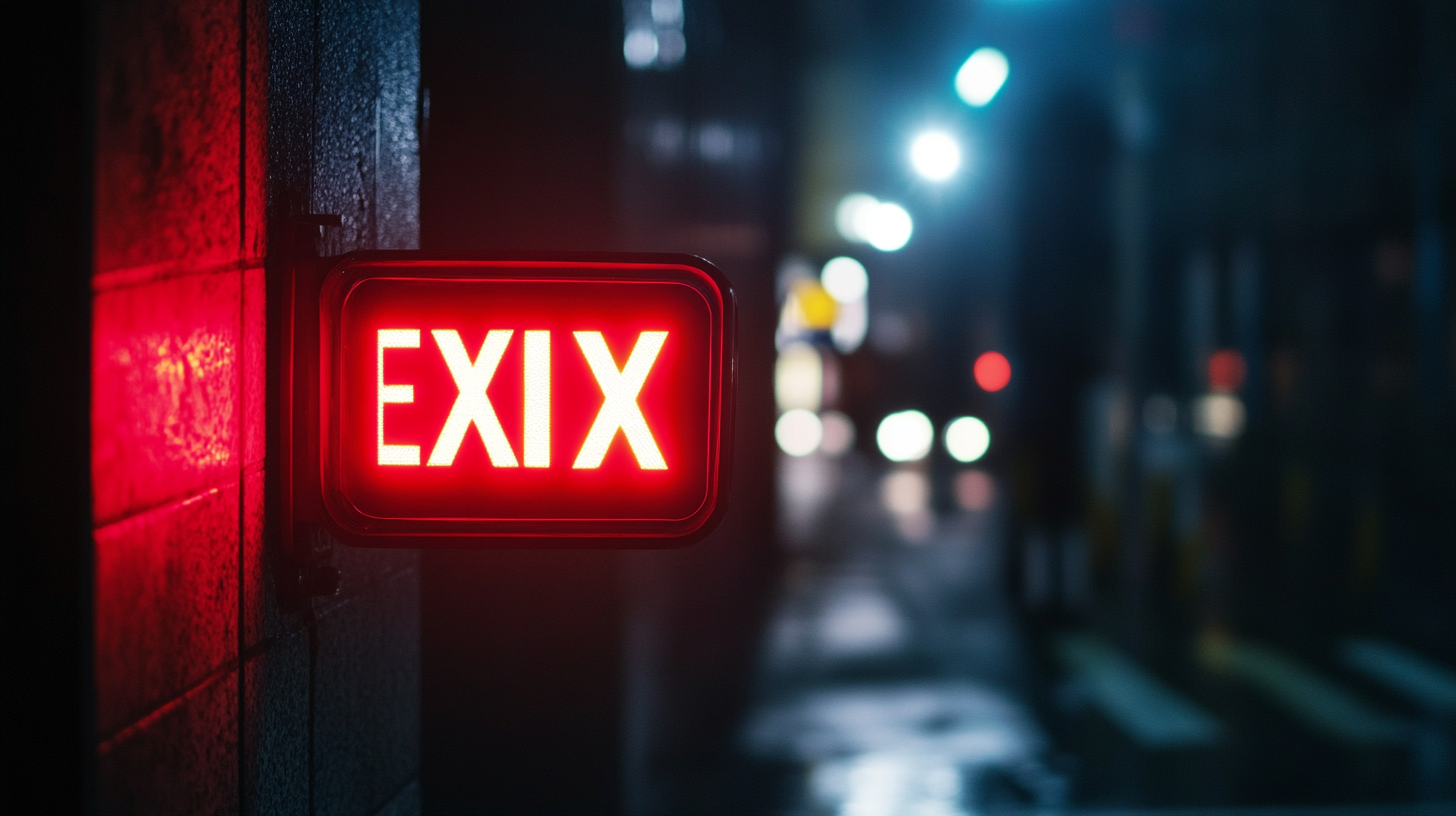
You know, in today’s fast-changing world of global trade, figuring out tariffs has really become a key strategy for manufacturers aiming to grow, even with all the economic ups and downs we’re facing. Just look at the ongoing trade tensions between the U.S. and China—it’s like a game of ping pong with all these tariffs being thrown back and forth. But here’s the thing: Chinese manufacturers are really holding their ground, especially when it comes to churning out innovative products. There’s definitely a silver lining here, as more companies are focusing on finding opportunities amidst all this chaos, particularly with high-quality Thermoplastic Exit Signs. As businesses shift to meet the new market trends, getting a grip on how to make these tariffs work in their favor can lead to some exciting avenues for product development and boosting sales. So, in this blog, we’re going to dive into how companies can strategically set themselves up to take advantage of the growing demand for top-notch Thermoplastic Exit Signs in China. We’ll also chat about what the tariffs mean for everyone and how to find those competitive edges that make all the difference in today’s marketplace.

Navigating Tariffs to Uncover Opportunities for the Best Thermoplastic Exit Sign in China

Exploring the Impact of Tariffs on Chinese Thermoplastic Sign Manufacturing

You know, tariffs really shake things up in the thermoplastic sign manufacturing business over in China. They mess with costs, supply chains, and how the whole market operates. As trade policies shift, manufacturers find themselves having to figure out how to stay ahead of the game. When new tariffs come into play, materials can suddenly cost more and profit margins take a hit. So, companies often have to rethink their pricing strategies and squeeze more efficiency out of their operations. To keep thriving, it’s super important for manufacturers to stay on top of tariff news and think about how those changes might affect what they produce and sell.

Here’s a tip: it might be a good idea to mix up your supply chain! Try getting raw materials from different regions. This way, you can dodge some of those tariff risks and keep your costs steady. Plus, teaming up with local partners for materials can really help you save some cash and make logistics a bit easier.

And let’s not forget about innovation! Companies should totally look into some new manufacturing techniques and tech. Sharpening up production efficiency can help deal with rising costs, and it positions businesses as the go-to names for quality and service. Embracing automation and lean manufacturing principles can crank up productivity, which means manufacturers can pivot quickly in response to tariff changes and what consumers want.

One more thing: make it a habit to do regular cost-benefit analyses of your manufacturing processes. Taking a close look at what each part adds to your overall costs can uncover areas that need a little work. This way, you’ll be making smarter decisions about investing in technology.

Navigating Tariffs: Opportunities in Chinese Thermoplastic Sign Manufacturing

Identifying Key Opportunities Amidst High Tariff Challenges

You know, it's a bit of a rollercoaster right now with the tariffs ramping up, making the whole situation for importing thermoplastic exit signs in China pretty tough, but there are definitely some golden opportunities out there too. Take Yuyao Lixin Electronics Co., Ltd., for example. They're a key player in the fire and security electronics space, and they could really make the most of these circumstances by adjusting their game plan. A recent report from the industry even shows that the global market for emergency lighting is expected to grow at a solid 7.2% every year from 2021 to 2028. So yeah, even with all those pesky tariffs, the demand is still looking strong! Sure, higher tariffs can jacked up expenses, but on the flip side, they might just scare off some competitors, giving the established companies a better shot to strengthen their foothold.

To tackle the challenges that come with these high tariffs, manufacturers really should zero in on boosting product innovation and highlighting the quality of their thermoplastic exit signs. Think about it—by adding smart tech and LED lighting, they can not only make their signs more visible but also help cut down on energy use, which is super appealing to shoppers who care about sustainability.

And here’s a little tip: teaming up with local businesses could really help lessen the blow from the tariffs. Working with local distributors can really ramp up market presence and also share the financial load. Plus, keeping up with any changes in tariff laws through resources like the World Trade Organization is a smart move; it means businesses can adapt quickly to any new rules that pop up.

Strategies for Chinese Manufacturers to Thrive in a Tariff-Heavy Environment

These days, with tariffs everywhere, Chinese manufacturers really need to think outside the box to stay in the game, especially when it comes to the thermoplastic exit sign market. According to a 2022 report from Statista, the global market for exit signs is set to hit about $1.2 billion by 2026! That just goes to show how much folks are looking for reliable and durable products. This could be a golden opportunity for manufacturers to make the most of their production skills while handling all the tricky bits that come with international trade policies.

One good tip? Teaming up with local distributors can be super helpful. They can give manufacturers the scoop on what customers really want and need. By building solid relationships in the local scene, companies can tailor their products to fit consumer preferences, helping to dodge some of those tariff-related pitfalls.

If manufacturers really want to shine, they should also think about mixing things up with their supply chains. A McKinsey report points out that companies that keep a close eye on their supply chains can cut costs by as much as 15%. This isn’t just about dealing with the tariffs on raw materials; it’s also about being able to handle those unpRedictable twists and turns in international markets. And let’s not forget, embracing technology and automation can really help streamline things, making production smoother and cutting down on overhead costs too!

Navigating Tariffs to Uncover Opportunities for the Best Thermoplastic Exit Sign in China

Case Studies: Success Stories of Innovative Thermoplastic Exit Signs in China

When you think about the competitive world of thermoplastic exit signs in China, it’s pretty clear that innovation is the name of the game. Recently, a big project was launched to produce styrene thermoplastic elastomers, and wow, it really highlights how far this sector has come. With a whopping production capacity of 170,000 tons per year and some unique tech they've developed, this project is setting a whole new bar for the materials used in making those exit signs. It’s not just about making them; this innovative strategy is actually ramping up the quality and durability of thermoplastic exit signs while making sure they meet all the necessary safety regulations.

Take a look at a few case studies, and you'll see some real success stories that show how these advanced materials are making waves in exit sign production. Companies that are tapping into the latest styrene elastomers are noticing that their products are performing better than ever, which is crucial as they try to satisfy a market that cares about both functionality and style. Because they're able to pivot with changing regulations and what consumers want, these trailblazers are really taking the lead, providing exit signs that not only do the job but look good doing it. And as more manufacturers jump on the bandwagon with these cutting-edge technologies, the potential for growth and expanding market reach in the world of thermoplastic exit signs is only going to keep climbing!

Navigating Tariffs to Uncover Opportunities for the Best Thermoplastic Exit Sign in China

Case Study Company Innovation Key Outcome Challenges
Case Study 1 ABC Signage Co. Eco-friendly thermoplastic material Increased sales by 30% Regulatory compliance
Case Study 2 XYZ Innovations Ltd. Smart exit signs with LED integration Expanded market reach to hotels Cost of materials
Case Study 3 GreenLight Solutions Solar-powered exit signs Reduced energy costs by 40% Supply chain issues

Future Trends: The Evolving Landscape of Tariffs and Manufacturing in China

You know, the way tariffs and manufacturing are shaping up in China really does have a big impact on businesses, especially for those in areas like thermoplastic exit sign production. Lately, we've seen some shifts in tariff policies—like, the U.S. has rolled out new tariffs that target specific industries, hitting key materials like steel and aluminum pretty hard. This has thrown a bit of chaos into procurement processes, pushing manufacturers to rethink how they handle their supply chains. A recent economic report even pointed out that companies that can roll with these tariff punches might end up finding fresh opportunities and gaining a leg up on the competition.

Plus, as businesses work their way through these tricky waters, it's super important to keep up with what’s happening in global trade. The effects of tariffs don’t just stop at the production line; they also play a role in crucial decisions about bringing jobs back to the U.S. and investing in new technologies. Just look at the post-Trump era tariffs—there's been a real shake-up across various industries. Reports show that U.S. manufacturers are stepping up their game by investing more in automation and artificial intelligence to deal with these tariffs. These investments not only help with efficiency but also position firms to grab new chances as the global manufacturing scene keeps changing.

Navigating Tariffs to Uncover Opportunities for the Best Thermoplastic Exit Sign in China

FAQS

: What are the main challenges for importing thermoplastic exit signs in China?

: The main challenges include increasing tariffs that elevate costs and create a difficult market landscape for manufacturers.

How can companies like Yuyao Lixin Electronics Co., Ltd. benefit from high tariffs?

High tariffs can deter competitors from entering the market, allowing established players to solidify their positions, while also encouraging innovation and quality enhancement in their products.

What is the projected growth rate for the global market for emergency lighting?

The global market for emergency lighting is projected to grow at a CAGR of 7.2% between 2021 and 2028.

What strategies can manufacturers adopt to navigate high tariff challenges?

Manufacturers can focus on enhancing product innovation, emphasizing quality, collaborating with local distributors, and diversifying their supply chains.

How can technology and automation help Chinese manufacturers?

Embracing technology and automation can streamline operations, optimize production, and reduce overhead costs, thereby mitigating the impact of tariffs and enhancing overall efficiency.

What role do local partnerships play in overcoming tariff impacts?

Collaborating with local distributors can help companies gain market insights, enhance penetration, and spread out costs associated with tariffs.

How can staying informed about tariff policies benefit businesses?

Staying informed about changes in tariff policies allows businesses to adapt swiftly to new regulations, minimizing the negative impact on their operations.

What is the projected market size for exit signs by 2026?

The global market for exit signs is projected to reach $1.2 billion by 2026.

What percentage of cost reduction can companies achieve by actively managing their supply chains?

Companies that actively manage their supply chains can reduce costs by up to 15%.

Sophia

Sophia

Sophia is a dedicated marketing professional at Yuyao Lixin Electronics Co., Ltd., a prominent player in the electronics industry. With a deep understanding of the company's product lines, she excels in conveying the unique features and benefits of their offerings to a diverse audience. Sophia is......
Previous Essential Features and Applications of Emergency Escape Lighting Solutions