 Looking ahead to 2025, it's pretty clear that Fire Smoke Alarms are going to be a big deal. I mean, the National Fire Protection Association (NFPA) emphasizes that these alarms slash the risk of dying in a fire by half! That's huge, right? It's all about keeping people safe. And then there's Yuyao Lixin Electronics Co., Ltd. They're stepping up as a key player in the fire safety and security scene, along with LED lighting. They've got an impressive lineup, including photoelectric Smoke Detectors and ammonia gas detectors. Their dedication to safety and innovation really resonates with current industry standards and best practices. As technology keeps evolving, it’s crucial for us to grasp and follow these standards to make sure fire smoke alarms work effectively and reliably in keeping us and our properties safe.
Key Features to Look for in High-Quality Fire Smoke Alarms
So, when you're on the hunt for top-notch fire smoke alarms, there are definitely a few key features that can really amp up their effectiveness. First off, make sure to look for alarms that come with dual sensors. These bad boys combine photoelectric and ionization sensors, which means they can pick up on a wider variety of fire types. You see, photoelectric sensors are super handy for those sneaky smoldering fires that like to fill the room with smoke, while ionization sensors are the go-to for catching those fast-flaming fires. Having both types gives you a really solid safety net.

Another thing to keep in mind is whether the alarm has a long-life battery or if it’s hardwired. Alarms with long-life lithium batteries are a dream because they can last up to 10 years without needing a change, which means less hassle for you in the long run. And if you go for a hardwired model, you get that peace of mind knowing they’ll keep running even if the power goes out. Oh, and don’t overlook smoke alarms that come with smart tech features, like app notifications and voice alerts — these can give you clarity and keep you updated in real time, making monitoring your home a breeze.
Understanding Industry Standards for Smoke Alarms
When it comes to smoke alarms, let’s be real—understanding the industry standards is super important if you want to keep your home safe and sound. Over in the EU, the EN14604 certification is actually a must-have for smoke alarms. This standard is designed to give consumers peace of mind, making sure that these devices meet some tough safety and performance benchmarks. And guess what? Recent reports show that companies are really stepping it up to boost quality because consumers today are all about finding safety devices they can rely on.
Just a quick tip for you: always check if your smoke alarm has the EN14604 certification or any local equivalent. It’s a simple way to make sure what you’re using has gone through rigorous testing to keep you and your family safe.
And hey, let’s talk about how the rise of IoT devices is shaking things up in the safety game! Did you know that in 2023, global cellular IoT connections jumped by an eye-popping 24%? That’s a huge signal that smarter home safety solutions are on the rise. Nowadays, newer smoke alarms are being equipped with smart tech, meaning they can send you real-time alerts and help you manage things better.
So here’s another little nugget for you: think about upgrading to a smart smoke alarm that links up with your smartphone. This way, you can keep tabs on your home’s safety from pretty much anywhere. It’s not just about convenience; it also helps you respond quickly if there’s a potential danger lurking around.
Evaluating Manufacturer Reputation and Certifications
Okay, so when you're on the hunt for the best smoke alarms, one big thing you really should think about is the reputation and certifications of the manufacturer. There’s this eye-opening report from the National Fire Protection Association (NFPA) that says smoke alarms can actually cut down the chances of dying in a house fire by a whopping 50%! That really shows why it’s worth it to invest in solid products from manufacturers you can trust. Many of the top brands out there have earned some serious industry certifications, like UL (Underwriters Laboratories) and ISO (International Organization for Standardization). These badges of honor mean their smoke alarms have passed tough safety and quality standards, so you can feel good about how they perform and how reliable they are.
But hey, it’s not just about the certifications. Digging into a company’s history can give you a peek at how committed they are to safety and innovation. A survey from the American National Standards Institute (ANSI) revealed that nearly 80% of homeowners care a lot about brand reputation when picking safety gadgets like smoke alarms. Manufacturers with a solid track record of sticking to industry standards and always aiming to improve are usually the ones that deliver smoke detectors you can count on for the long haul. So, when you’re making your choice, make sure to weigh both their certifications and their overall reputation.
Comparing Technology Types: Ionization vs. Photoelectric
Okay, so when you’re picking out a fire smoke alarm, it’s super important to know the difference between ionization and photoelectric tech. You see, ionization alarms are really good at catching those fast-flaming fires since they pick up tiny particles from combustion. The folks at the National Fire Protection Association (NFPA) say these alarms usually go off about 50% faster than photoelectric ones for certain fires. But here’s the catch—those ionization models can get a bit jumpy, often chiming in when you’re just cooking or maybe steaming some veggies.
Now, switching gears to photoelectric smoke alarms, these guys shine when it comes to smoldering fires, which release larger smoke particles. According to some research from Underwriters Laboratories, photoelectric alarms can actually activate up to 30 minutes quicker in those situations compared to the ionization models. That’s not just some random number; it means more time for everyone to get out, especially in home fires where every second really counts.
**Pro tip:** If you’re setting up smoke alarms for your place, why not go for both types? It’s like having the best of both worlds—keeping an eye out for both smoldering and flaming fires to keep you safer.
**Another tip:** Don’t forget about maintenance! Testing your smoke alarms every month and swapping out the batteries at least once a year goes a long way in keeping them working well. Plus, keep an eye on the expiration dates, because most alarms need a refresh every 10 years.
Understanding Industry Standards for Best Fire Smoke Alarms: A Comprehensive How-to Guide - Comparing Technology Types: Ionization vs. Photoelectric
| Feature | Ionization Smoke Alarms | Photoelectric Smoke Alarms |
| Response Time to Fast Flaming Fires | Faster | Slower |
| Response Time to Slow Smoldering Fires | Slower | Faster |
| False Alarm Rate | Higher | Lower |
| Installation Cost | Generally lower | Generally higher |
| Best Use Case | Flaming fires like paper or gas | Smoldering fires like wood or fabrics |
| Lifespan | 5-7 years | 8-10 years |
Assessing the Importance of Alarm Sensitivity and Reliability
So, let's talk about smoke alarms for a second – it’s super important to find ones that are sensitive and reliable, especially if you want to keep your home or business safe. You see, the sensitivity of a smoke alarm is key because it determines how fast it can pick up on those pesky smoke particles. And trust me, getting that early warning can make all the difference! But there's a catch: alarms that are overly sensitive can give you false alarms now and then. That just leads to folks getting tired of the alerts and maybe even ignoring them when it really counts. On the flip side, if an alarm isn’t sensitive enough, it might not go off when smoke is actually present, and we definitely don’t want to be risking lives that way. Finding that sweet spot between sensitivity and reliability is what helps keep those alarms working as they should, without causing anyone unnecessary panic.
Now, let’s not forget about reliability – that’s just as important as sensitivity when you’re picking a smoke alarm. You want an alarm that’s going to be consistent, something that gives you peace of mind day in and day out. A bunch of factors come into play here, like how long the battery lasts, how well it’s built, and how much maintenance it needs. It’s really a good idea to regularly test your alarms and stick to the manufacturer’s instructions to keep them running strong for a long time. At the end of the day, choosing smoke alarms that not only meet but also exceed industry standards for both sensitivity and reliability is absolutely vital. It’s all about protecting lives and properties from the dangers of fire, right?
Exploring Maintenance and Customer Support Options from Manufacturers
When you’re picking out smoke alarms for your home, it’s really important to think about how to maintain them and what kind of customer support you can expect from the manufacturers. You know, the National Fire Protection Association (NFPA) says that almost 60% of home fire deaths actually happen in places without smoke alarms—or where those alarms just aren’t working. So, keeping up with regular maintenance checks is a must. Experts suggest testing your smoke alarms every month and replacing them every decade—yes, that's right, ten years! Time flies, doesn’t it?
One handy tip? Create a maintenance schedule! Set reminders on your phone or write it down somewhere noticeable for testing your alarms and swapping out batteries. This simple step can really boost your safety, trust me on that. And hey, when you’re shopping for smoke alarms, look for options that come with solid customer support. It’s great to have access to online resources or hotlines for any techy questions or troubleshooting issues you might run into.
Many top manufacturers out there also offer detailed support—think installation guides, maintenance advice, and troubleshooting help right on their websites or through their customer service. So, when you’re choosing a brand, make sure they’re all about educating their customers and offering good warranties. These factors really help make sure your smoke alarms are reliable and effective. And don’t forget to check for certifications like those from Underwriters Laboratories (UL); you want to make sure you’re investing in a trustworthy product!
Top 5 Innovative Safety Products You Need: Lxine Fire Detector & LIXIN LED Emergency Lighting
In the realm of safety products, innovation is key to ensuring the protection of our homes and loved ones. With a focus on advanced technology, the Lxine Fire Detector and LIXIN LED Emergency Lighting stand out as essential items that every household should consider incorporating. According to a recent report by the National Fire Protection Association, fire departments in the U.S. responded to approximately 1.3 million fires in 2020, highlighting the critical need for modern fire safety solutions. The Lxine Fire Detector utilizes cutting-edge sensing technology to provide early warnings, effectively reducing response time and potentially saving lives.
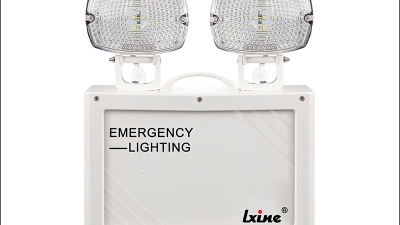
In addition to fire detection, emergency lighting plays a vital role in ensuring safety during power outages or emergencies. The LIXIN LED Emergency Lighting system not only offers reliable illumination but is also energy-efficient, operating up to 90 hours on a single charge. Research from the Department of Energy indicates that LED lighting consumes at least 75% less energy and lasts 25 times longer than incandescent lighting. This efficiency not only aids in safety but contributes to long-term energy savings and sustainability efforts. By integrating the Lxine Fire Detector and LIXIN LED Emergency Lighting into your safety plan, you can take proactive steps toward protecting your environment and ensuring peace of mind for you and your family.
FAQS
: The EN14604 certification is a mandatory standard in the European Union that ensures smoke alarms meet stringent safety and performance criteria. It is important because it assures consumers that the products are backed by rigorous testing for effectiveness and safety.
Always check if your smoke alarm has the EN14604 certification or equivalent local standards to ensure that you are using a product that has been thoroughly tested for safety and reliability.
Smart smoke alarms connect to your smartphone, allowing you to monitor your home’s safety from anywhere. They provide real-time alerts and enhanced management of potential hazards, ensuring timely responses to emergencies.
Ionization smoke alarms are more responsive to fast-flaming fires and activate about 50% faster for those types, while photoelectric alarms excel at detecting smoldering fires, responding up to 30 minutes faster. Each type has its strengths, making them both important for comprehensive fire safety.
It is recommended to test your smoke alarms monthly and replace their batteries at least once a year. Additionally, checking the alarms' expiration dates is crucial, as most units should be replaced every 10 years.
The sensitivity of a smoke alarm determines how quickly it can detect smoke particles, which is essential for early warning. A balance between adequate sensitivity and reliability ensures timely alerts without causing unnecessary panic from false alarms.
Battery life and build quality are critical factors that influence a smoke alarm's reliability. Regular maintenance and adherence to the manufacturer’s guidelines enhance the longevity and dependability of smoke alarms.
Yes, it is advisable to install both ionization and photoelectric smoke alarms in a home. This combination provides coverage for both smoldering and flaming fires, ensuring better overall detection and safety.